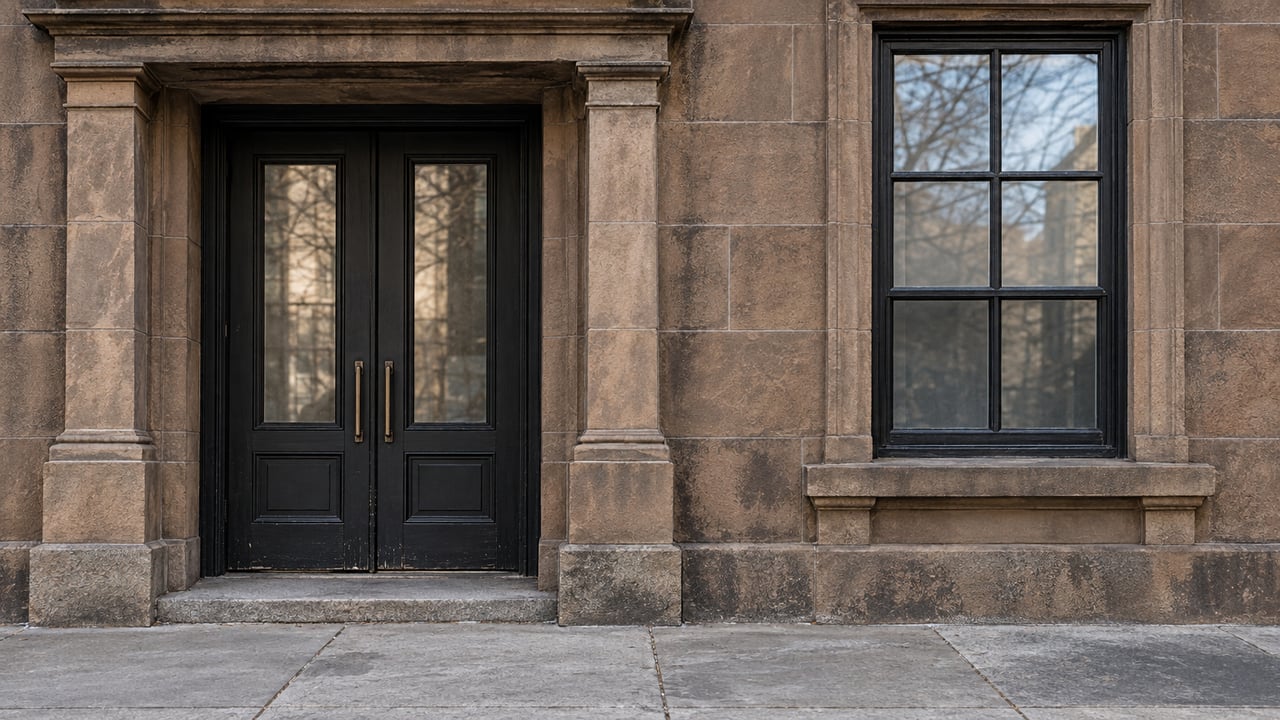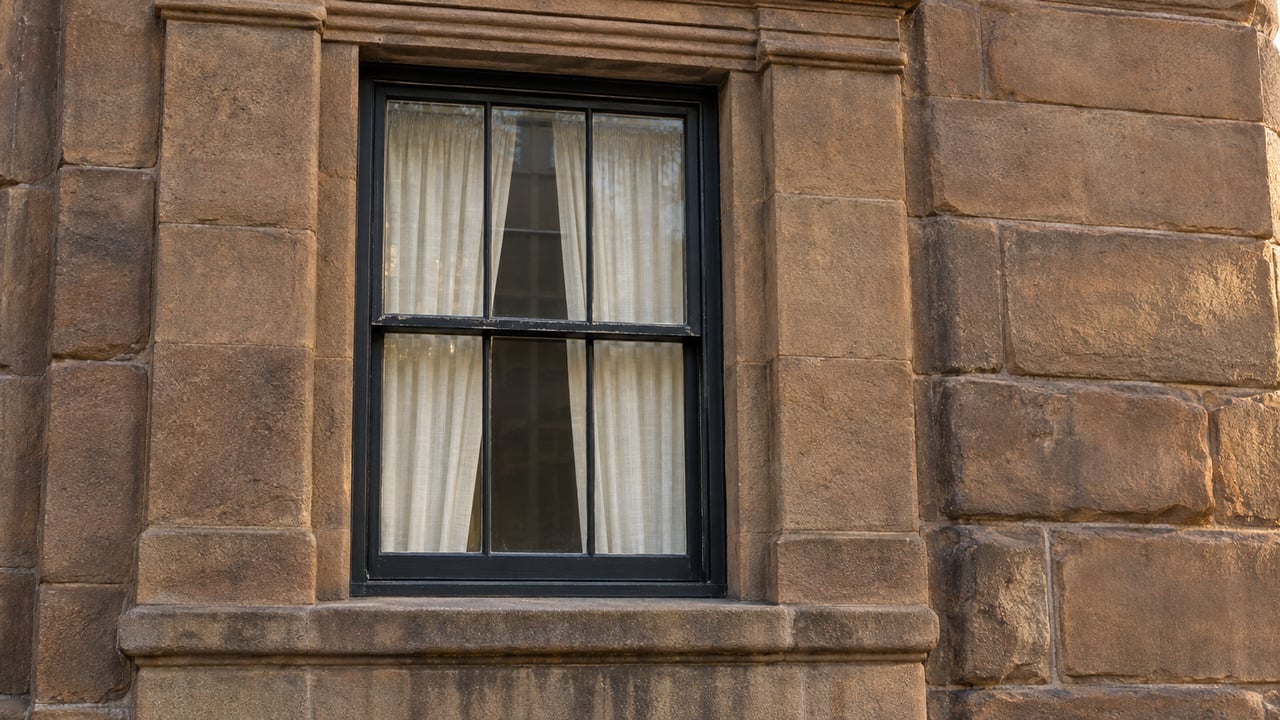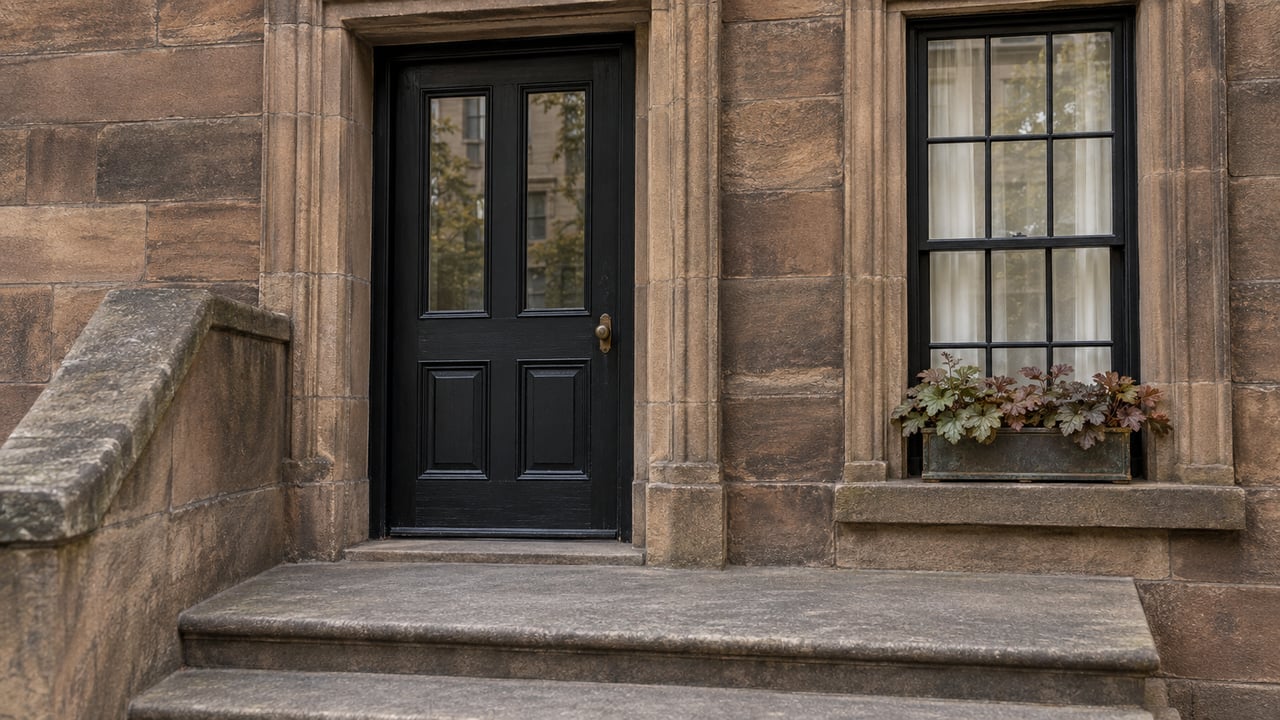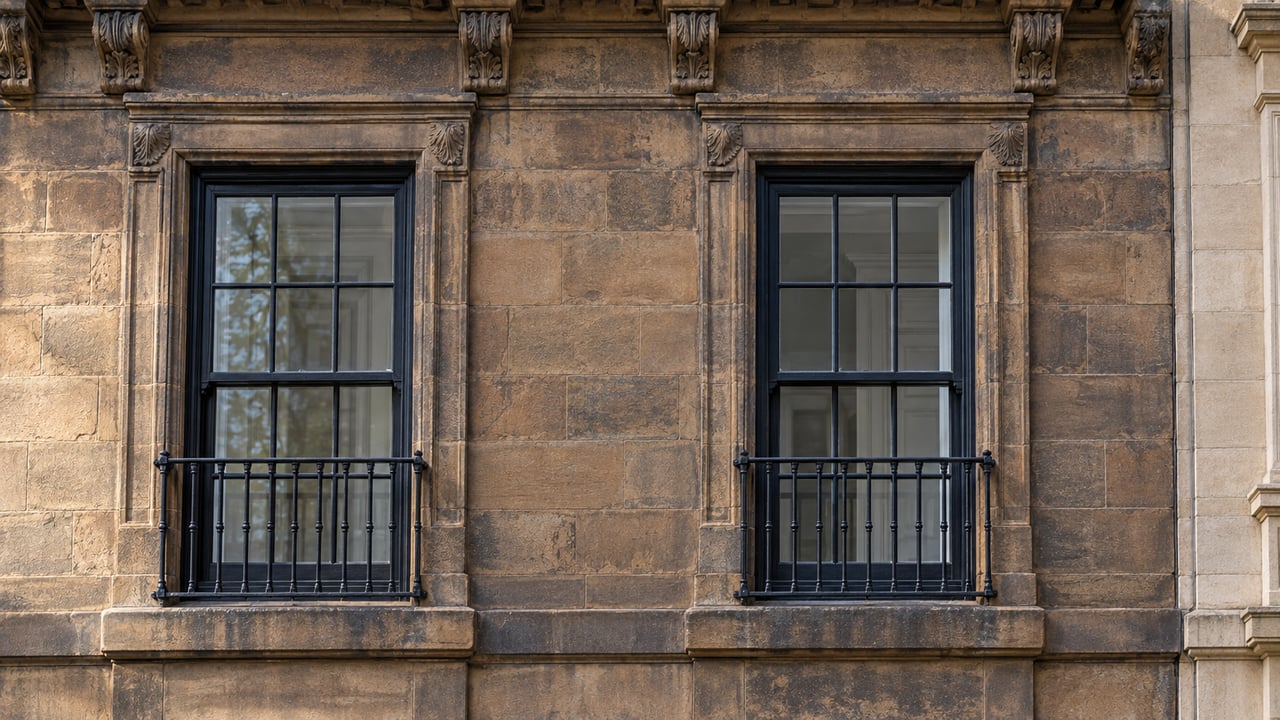
On January 15, 2026, a Georgian Revival townhouse at 13 East 94th Street closed for $15.5 million. The house sits on one of Carnegie Hill's more photographed blocks, just off Fifth Avenue, with a bow-fronted stucco facade and more than 6,800 square feet spread across six bedrooms, a gym, a chef's kitchen, wine storage and a garden. The seller was an LLC tied to George Logothetis, executive chairman of the Libra Group. The buyer was an entity called Carnegie Hill LLC.
The number that matters isn't the sale price. It's the one before it. The house had come to market about a year earlier asking $19.5 million. It sold for $4 million less, a discount of roughly a fifth off the original ask, after sitting through nearly a full cycle of seasons in a neighborhood where townhouses are supposed to be too rare to need discounting.
That gap is worth sitting with, because it contradicts the story most people tell themselves about scarce inventory.
The Bracket That Was Supposed to Be Hot
The timing makes the discount harder to explain away. Manhattan's Q1 2026 market reporting, covering the same window this sale closed in, showed contracts for homes priced between $10 million and $20 million up 47.4 percent from a year earlier, with sellers across the market described as having little incentive to cut prices aggressively given tight inventory and expectations for rate relief. A $19.5 million ask sits squarely inside that band. By that logic, this was the moment sellers in this price range were supposed to hold firm.
One did not. The house that fell from $19.5 million to $15.5 million over roughly twelve months wasn't a distress sale or a teardown. It was a restored Georgian Revival on a landmarked block, the kind of asset every citywide luxury report says buyers are chasing. The discount happened anyway, which suggests the citywide bracket data describes appetite in aggregate, not what happens to any single house waiting for the specific buyer who wants that layout, that block and that architectural style at that moment.
Manhattan's Own Townhouse Median Can't Settle on a Number
The same thinness shows up at the borough level. Housing Notes, the market report now published in partnership with The Real Deal, tracked Manhattan townhouse sales for Q1 2026 and reported the median price jumping 69.4 percent year over year to $6.5 million, driven by a shift toward larger sales and shrinking inventory. By Q2 2026, the same report had the median essentially flat, down 1.1 percent to $6,451,500, with listing inventory down 39.9 percent year over year to 291 houses, a figure 21.4 percent below the decade average of 370.
Two consecutive quarters from the same data provider, and the townhouse median swings from a 69 percent jump to a rounding error. Nothing about Manhattan real estate moved that violently in three months. What moved was which handful of houses happened to close. When a category trades in the low hundreds citywide per quarter, one or two unusually large sales can drag the median wherever they want it to go, and the next quarter's different mix drags it right back. A second Q1 2026 tally of the same category, a median of $9.94 million on 191 year-to-date sales, landed nearly $3.5 million away from Housing Notes' number for the identical stretch of time. Both are correct by their own methodology. Neither describes a stable price level, because there isn't one to describe.
Carnegie Hill Doesn't Have Enough Sales to Report One at All
Zoom into the neighborhood and the problem gets sharper, not softer. PropertyShark's Carnegie Hill market trend data for April 2026 reported a blended median home sale price of $1.7 million, down 16.9 percent year over year, alongside a median condo price of $4.9 million, up 103.4 percent, and a median co-op price of $1.5 million, down 22.2 percent. For house sales specifically, the same report noted there was no statistically significant data for the period.
That line is the whole thesis in one sentence. In a given month, Carnegie Hill can generate a condo median that more than doubles and a co-op median that drops by a fifth, purely from which units happened to trade, while townhouse sales are too infrequent to produce a number at all. Whenever someone quotes a "Carnegie Hill home price," they are almost certainly describing co-ops and condos. The townhouses that give the neighborhood its identity, the four- and five-story rowhouses between Madison and Park, the Neo-Grec and Queen Anne facades on the blocks between 94th and 95th, trade too rarely to move a monthly average in either direction.
A recent tally of active listings found just nine houses for sale across the entire neighborhood, ranging from about $6.875 million for a 5,000-square-foot house to $35 million for a 15,950-square-foot property. Nine listings is not a market in the sense that a condo building with dozens of comparable units is a market. It's closer to nine separate negotiations, each waiting for a buyer who wants that specific footprint, that specific block and that specific relationship to the historic district.
What Thin Trading Actually Does to Pricing
Scarcity gets treated as a synonym for leverage. Fewer houses on the market should mean sellers can hold their number and wait out the right buyer. That's true in a market with enough transaction volume to establish a floor. It's not automatically true when the pool of active listings is in the single digits and the pool of qualified buyers for a $15 to $20 million single-family house on a specific historic block is smaller still.
A market this thin doesn't behave like a market. It behaves like a series of one-off negotiations, each one waiting for the single buyer who wants that block, that layout and that history at that moment.
That's what happened at 13 East 94th Street. The house wasn't competing against dozens of similar listings for a stable pool of buyers. It was waiting for one buyer whose criteria matched that specific address, and until that buyer surfaced, the asking price had no market feedback to test it against beyond broad citywide sentiment. When the right buyer finally appeared, the negotiation settled well below the original number, not because the house had lost value, but because there was no comparable sale to anchor the ask in the first place.
For a seller, that means pricing has to be built from the specific block, the specific floor plan and the handful of genuinely comparable closings, not from a neighborhood median that's really a co-op number wearing a townhouse label. For a buyer, it means a long time on market for a Carnegie Hill townhouse isn't automatically a signal of a problem with the house. It can just as easily mean the buyer pool for that particular combination of size, layout and block is smaller than the asking price assumed.
Frequently Asked Questions
Does a long time on market mean a Carnegie Hill townhouse is overpriced? Not on its own. The 13 East 94th Street sale spent roughly a year on the market before closing, and the house was a restored, landmarked Georgian Revival on a desirable block. Extended marketing time in this segment often reflects how few qualified buyers exist for a specific size and architectural profile at any given moment, not a flaw in the property.
Why do citywide market reports disagree on the townhouse median? Because so few townhouses trade in a single quarter that one or two unusually large or small sales can swing the number by tens of percentage points. Housing Notes reported a 69.4 percent jump in Manhattan's townhouse median for Q1 2026 and a nearly flat figure the following quarter, using the same methodology both times. The swing came from which houses closed, not from the market repricing itself.
How many Carnegie Hill townhouses are typically for sale at once? Very few. A recent count found just nine active house listings across the neighborhood. That kind of count is closer to a handful of individual negotiations than a liquid market with reliable comparables.
If you're pricing a Carnegie Hill townhouse for sale, or trying to make sense of one you're considering, the neighborhood median isn't going to tell you much. The comp that matters is the specific block, the specific floor plan and the specific buyer pool for a house like yours. Your Townhouse Guy works through that block-by-block reality with sellers and buyers who need a pricing plan built on more than a blended average.