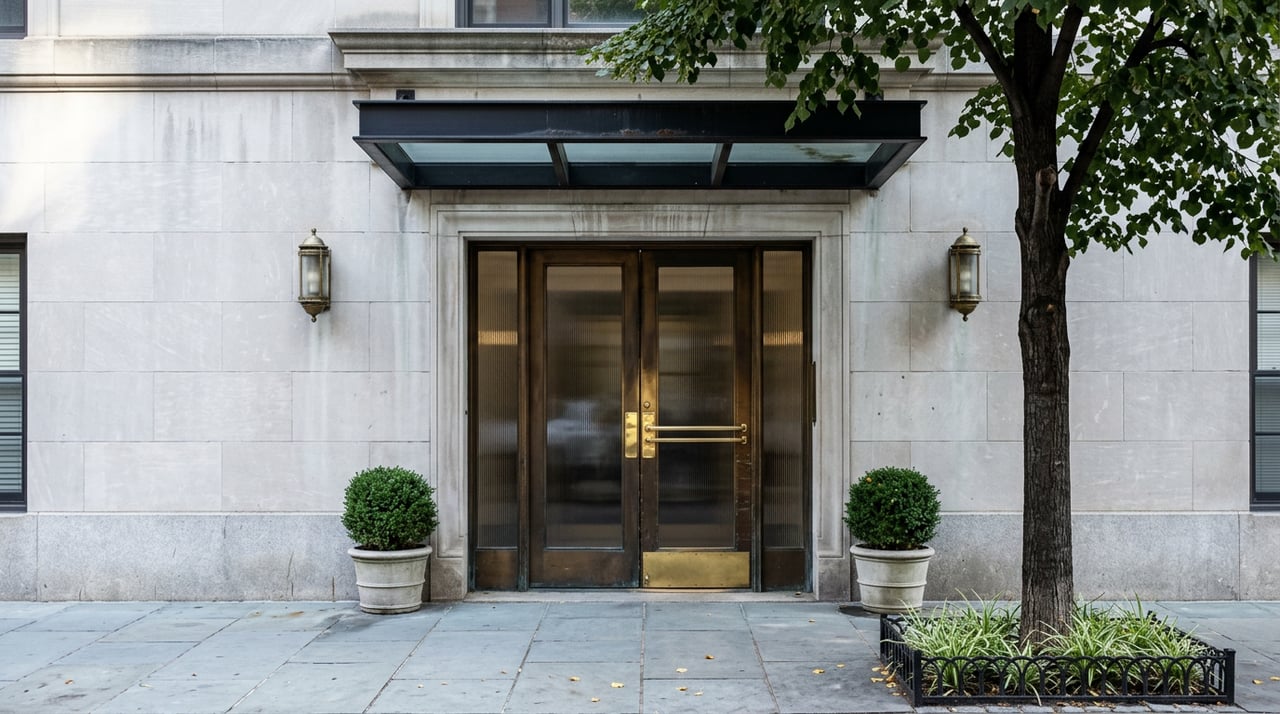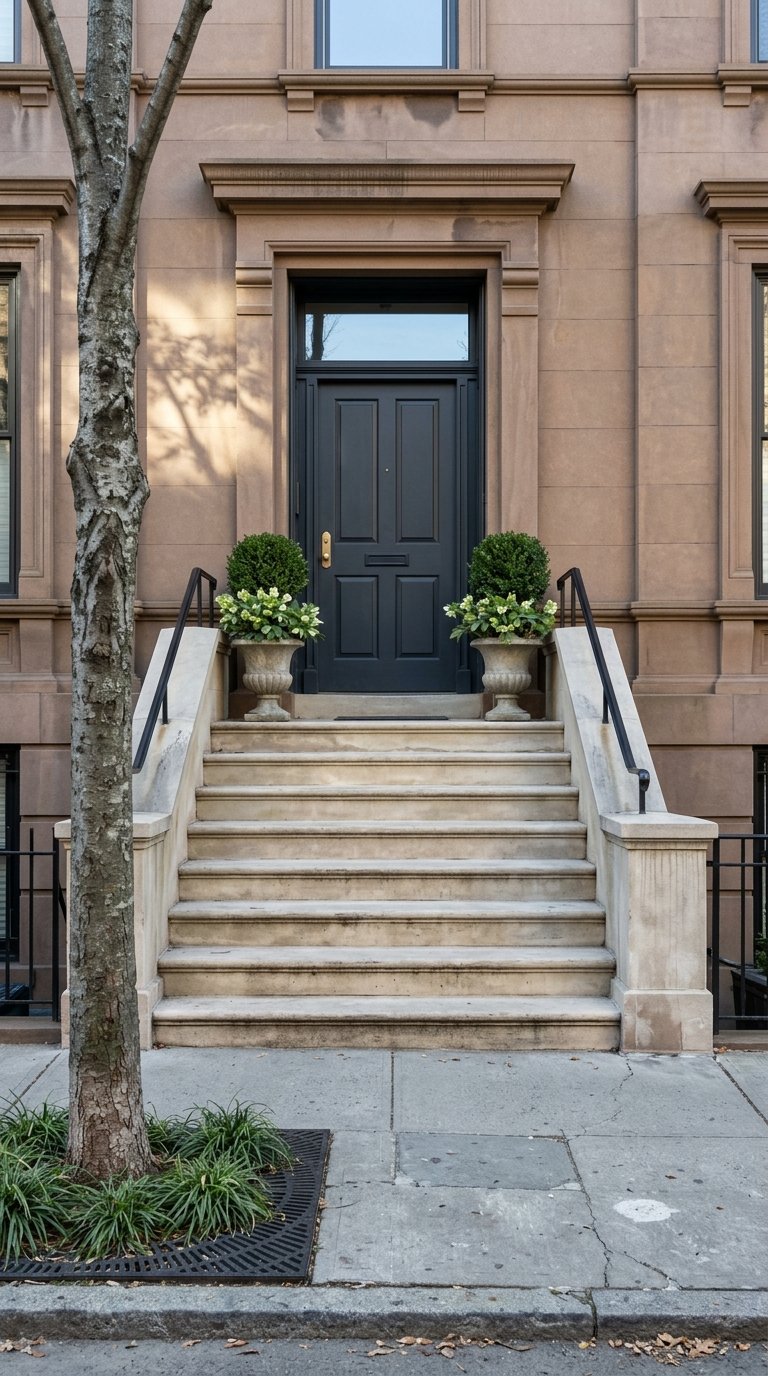
Looking for a quieter side of Midtown East can feel like a contradiction. You want the convenience of central Manhattan, but you may also want a block that feels more residential, more scaled, and more like a townhouse setting than a commercial corridor. The good news is that in and around 10016, those pockets do exist, and knowing where to look can change how you see the neighborhood. Let’s dive in.
Why Midtown East Has Quiet Pockets
Midtown East is one of Manhattan’s major business districts, and that shapes many of its busiest avenues and larger streets. Planning materials describe East Midtown as a large job center with predominantly high-density commercial character, especially along major corridors like East 42nd Street.
But that is only part of the story. The side streets, especially in and around Murray Hill, reveal a more residential layer with row houses, lower-scale buildings, tree-lined blocks, and a few enclosed or tucked-away spaces that break from the Midtown rhythm.
That contrast is the key. If you are hoping for a townhouse feel in Midtown East, the strongest candidates are usually not the avenues. They are the cross streets and smaller enclaves where scale, greenery, and historic fabric create a more intimate streetscape.
Where the Townhouse Feel Is Strongest
Murray Hill Historic District
For buyers who want the clearest townhouse setting within the Midtown East orbit, Murray Hill Historic District is the strongest anchor. It is bounded by Park and Lexington Avenues and East 34th through 39th Streets, and city records describe it as largely residential.
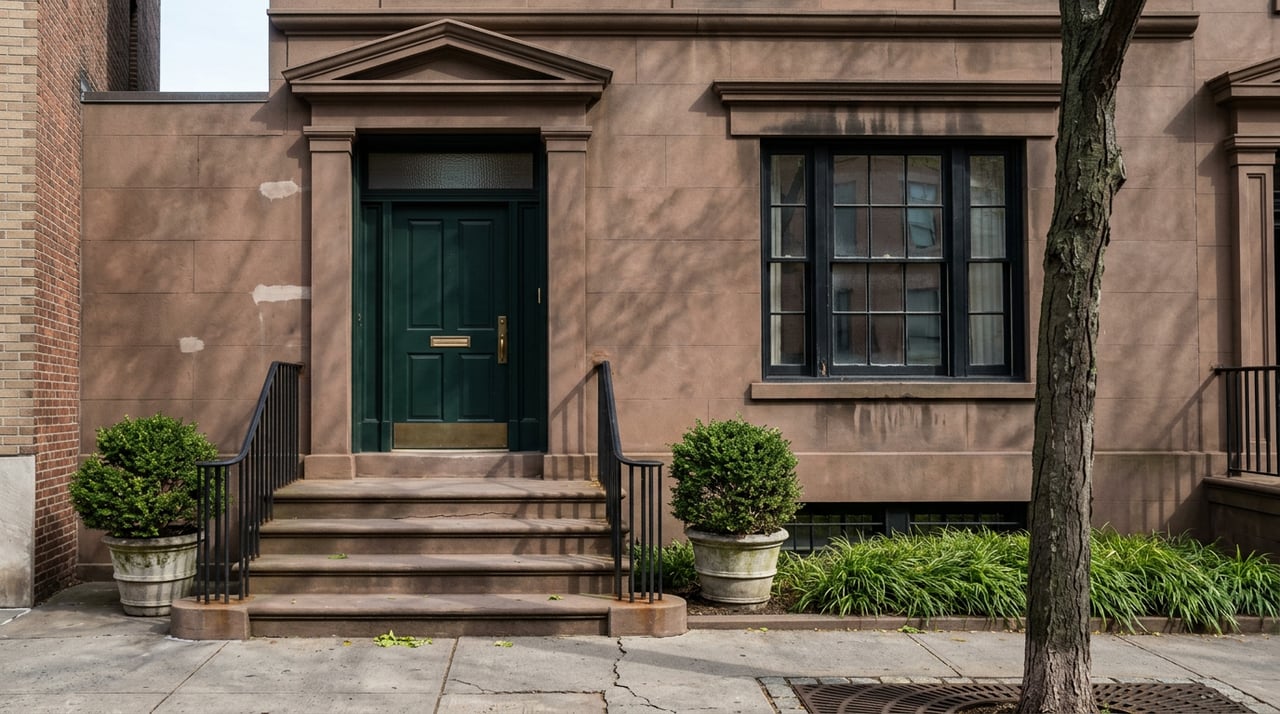
This district is defined by mid-19th-century row houses, tree-lined blocks, low stoops, and Italianate details. If your idea of Midtown East includes classic Manhattan facades and a more measured residential scale, this is one of the best places to focus your search.
It also helps explain why some Midtown East buyers end up gravitating to select side streets rather than headline avenues. In a neighborhood known for density and commerce, Murray Hill Historic District offers a notably different visual and street-level experience.
What stands out here
- True rowhouse character
- Tree-lined cross streets
- Lower-scale streetscape
- Historic district protection for exterior character
Sniffen Court
Sniffen Court is one of the most distinctive small-scale enclaves in the area. Located off East 36th Street between Lexington and Third Avenues, it is a narrow blind alley made up of 10 two-story brick former stables.
The Landmarks Preservation Commission describes it as especially charming and picturesque, and that language fits. It feels tucked away, highly specific, and almost hidden from the larger Midtown grid.
For anyone drawn to privacy, enclosure, and unusual architectural settings, Sniffen Court is an important reference point. It is not a typical block, which is exactly why it leaves such a strong impression.
St. Vartan Park Blocks
If you want a townhouse-adjacent feel in 10016, the blocks around St. Vartan Park deserve real attention. The park sits between First and Second Avenues and East 35th and 36th Streets, and its 2.76 acres give this section of Midtown East a more neighborhood-scale green anchor.
That matters more than it may seem at first glance. In Midtown, even a modest shift in open space and block scale can make nearby side streets feel more local, more walkable, and less dominated by through traffic than the main avenues.
These blocks may not form a pure rowhouse district in the same way Murray Hill does. Still, they fit the spirit of this conversation because the park softens the surrounding streetscape and reinforces a quieter residential feel.
Nearby Enclaves That Explain the Pattern
Some of Midtown East’s best examples sit just beyond the core 10016 focus, but they help explain the broader east-side residential fabric. If you are evaluating the area seriously, these adjacent settings provide useful context.
Tudor City
Tudor City is not a townhouse district, but it belongs in any conversation about quiet Midtown East blocks. North of East 40th Street between First and Second Avenues, it is described by the city as a self-contained complex with no through streets, a private street lined in part by shops and services, and a set of greens and parks woven into the district.
That design changes how the area feels. Grade changes, non-through streets, and internal open spaces create a contained residential atmosphere that stands apart from standard Midtown blocks.
If your goal is not necessarily a rowhouse, but rather a village-in-Midtown feeling, Tudor City is one of the clearest examples. It shows that a quiet residential experience can come from planning and enclosure, not only from townhouse rows.
Turtle Bay Gardens
Turtle Bay Gardens sits just north of the core 10016 blocks, but it is one of the best examples of how residential architecture can create an enclave effect. It is a 20-house ensemble on East 48th and 49th Streets organized around a shared central garden.
The Landmarks Preservation Commission describes it as intimate and picturesque. That description captures the appeal well, especially for buyers who value privacy, garden-oriented design, and a more sheltered residential setting.
While it is not within the heart of 10016, it helps frame what many people are really searching for when they say they want a quieter Midtown East block. They are often looking for intimacy, continuity, and a sense of separation from the commercial grid.
Beekman Place
Beekman Place is another nearby reference point worth understanding. It is a two-block-long enclave of townhouses and apartment buildings overlooking the East River.
For this topic, Beekman Place works best as a comparison rather than a direct 10016 answer. It helps show that Midtown East and its edges contain multiple versions of residential calm, often created by shorter enclaves, older building stock, and a sense of physical separation from busier avenues.
What Makes These Blocks Feel Quiet
The quiet feel in Midtown East usually comes down to three things: scale, enclosure, and interruption of the grid. When buildings are lower, streets are tree-lined, and blocks are not acting like major connectors, the experience changes quickly.
City planning studies describe Murray Hill’s cross streets as generally quiet and tree-lined. They also note that Tudor City feels set apart because of grade changes, non-through streets, and small parks.
By contrast, the avenues in East Midtown are busier and more commercial. The same planning materials point out that parts of the Queens-Midtown Tunnel ramp network disrupt several blocks, which is another reason the townhouse feel is strongest on side streets rather than major corridors.
In practical terms, that means you should pay close attention to the block itself, not just the neighborhood label. In Midtown East, one street can feel markedly different from the next.
Why Green Space Matters Here
In a dense neighborhood, even small parks can have an outsized effect on how a block feels. They create visual breathing room, reduce the sense of continuous hard edge, and often support a more local rhythm.
A few open spaces are especially important in this Midtown East conversation:
- St. Vartan Park offers a meaningful neighborhood green break in 10016.
- Dag Hammarskjold Plaza is described by city planning materials as the largest publicly accessible open space in the East Midtown and Turtle Bay analysis area, at 1.59 acres.
- Peter Detmold Park adds another small-scale green edge along the East River side.
- Tudor City’s greens are a major reason the district feels contained and residential.
If you are evaluating townhouse-feel blocks, green space should be part of the checklist. In Midtown East, it often helps explain why one cluster feels settled and another feels purely transitional.
What Buyers Should Keep in Mind
A useful distinction in Midtown East is that townhouse feel often means townhouse-adjacent rather than a continuous townhouse neighborhood. In some places, like Murray Hill Historic District, you get the real rowhouse fabric. In others, the feeling comes from parks, non-through streets, older residential buildings, or a protected historic setting.
That is why buyers should define the goal clearly. Are you looking for an actual rowhouse block, a small enclosed enclave, or simply a quieter residential street with Midtown convenience? Each version exists here, but not always on the same block.
Transit access is also part of the appeal. A quieter side street in Midtown East does not mean you are far from the city’s core infrastructure. Planning materials note the area’s connection to Grand Central Terminal, one of New York’s major transit hubs.
What Sellers Should Keep in Mind
If you own a townhouse, a small building, or a residence on one of these lower-scale blocks, context matters. The value story is not just Midtown proximity. It is often the contrast between the broader commercial district and a more intimate residential setting.
Historic district status can matter as well. Many of these blocks sit within designated districts, and the Landmarks Preservation Commission regulates and protects exterior work on landmarked and historic-district properties after designation.
For sellers, that means buyers may see both opportunity and complexity. The right marketing narrative should explain not only location, but also architectural character, block experience, and any landmark context that shapes ownership.
Why Block-Level Advice Matters
In Midtown East, broad neighborhood labels only go so far. Two homes with similar addresses can offer very different living experiences depending on whether they face a commercial corridor, a tree-lined cross street, a park edge, or a tucked-away enclave.
That is especially true for townhouse buyers and sellers. Properties in these settings often need a more precise lens, one that accounts for streetscape, landmark context, and how a block actually lives day to day.
If you are trying to make sense of the quieter side of Midtown East, focused guidance can save time and sharpen your search. For tailored advice on townhouse and small-building opportunities in Manhattan, connect with Tom Wexler.
FAQs
Which Midtown East blocks in 10016 feel most like townhouses?
- The strongest 10016 anchors are Murray Hill Historic District, Sniffen Court, and the side streets around St. Vartan Park.
Why do side streets in Midtown East feel quieter than the avenues?
- City planning materials describe the avenues as more commercial and busy, while select cross streets benefit from smaller scale, trees, parks, and less through movement.
Is Tudor City a townhouse area in Midtown East?
- No, Tudor City is not a townhouse district, but it does offer a contained residential feel through non-through streets, internal greens, and a self-contained layout.
Does a quiet Midtown East block mean less transit access?
- No, these residential pockets still benefit from Midtown East’s broader access to Grand Central Terminal and the surrounding transit network.
Should buyers care if a Midtown East block is in a historic district?
- Yes, because historic district status can affect how exterior work is reviewed and regulated by the Landmarks Preservation Commission.
What should sellers highlight on quieter Midtown East blocks?
- Sellers should emphasize the specific block experience, architectural character, nearby green space, and any historic district context that sets the property apart from the surrounding commercial area.