If you are deciding between a townhouse and a tower in Midtown East, you are really choosing between two very different ways of living in the same ZIP code. That can feel tricky, especially in 10016, where a few blocks can shift your daily experience from quiet side streets to a transit-heavy vertical core. This guide will help you compare privacy, services, outdoor space, and day-to-day rhythm so you can see which version of Midtown East fits you best. Let’s dive in.
Midtown East Is Not One Thing
In 10016, Midtown East is best understood as a pocketed market rather than one uniform neighborhood. Manhattan Community District 6 includes Kips Bay, Murray Hill, Tudor City, Turtle Bay, Sutton Place, and Stuyvesant Town, and that mix helps explain why the housing stock feels so varied.
The area around Grand Central Terminal, Park Avenue, and Lexington Avenue is the vertical heart of East Midtown. City planning materials frame this part of the district around transit, pedestrian circulation, and modern tower growth, especially in the East Midtown rezoning area from East 39th to East 57th Streets.
At the same time, Midtown East also includes preserved residential pockets where the scale changes quickly. In places like the Murray Hill Historic District, Turtle Bay Gardens, Sutton Place, and Tudor City Place, the built environment leans lower, finer-grained, and more residential in feel.
Tower Living in Midtown East
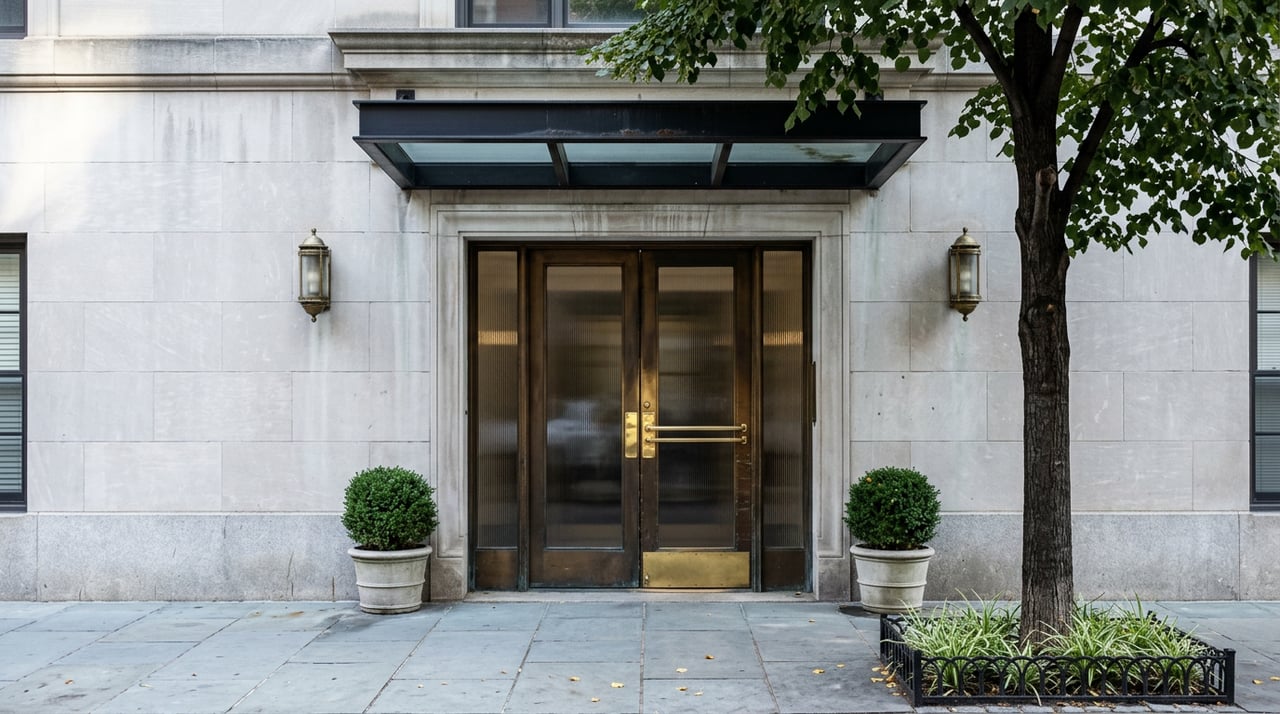
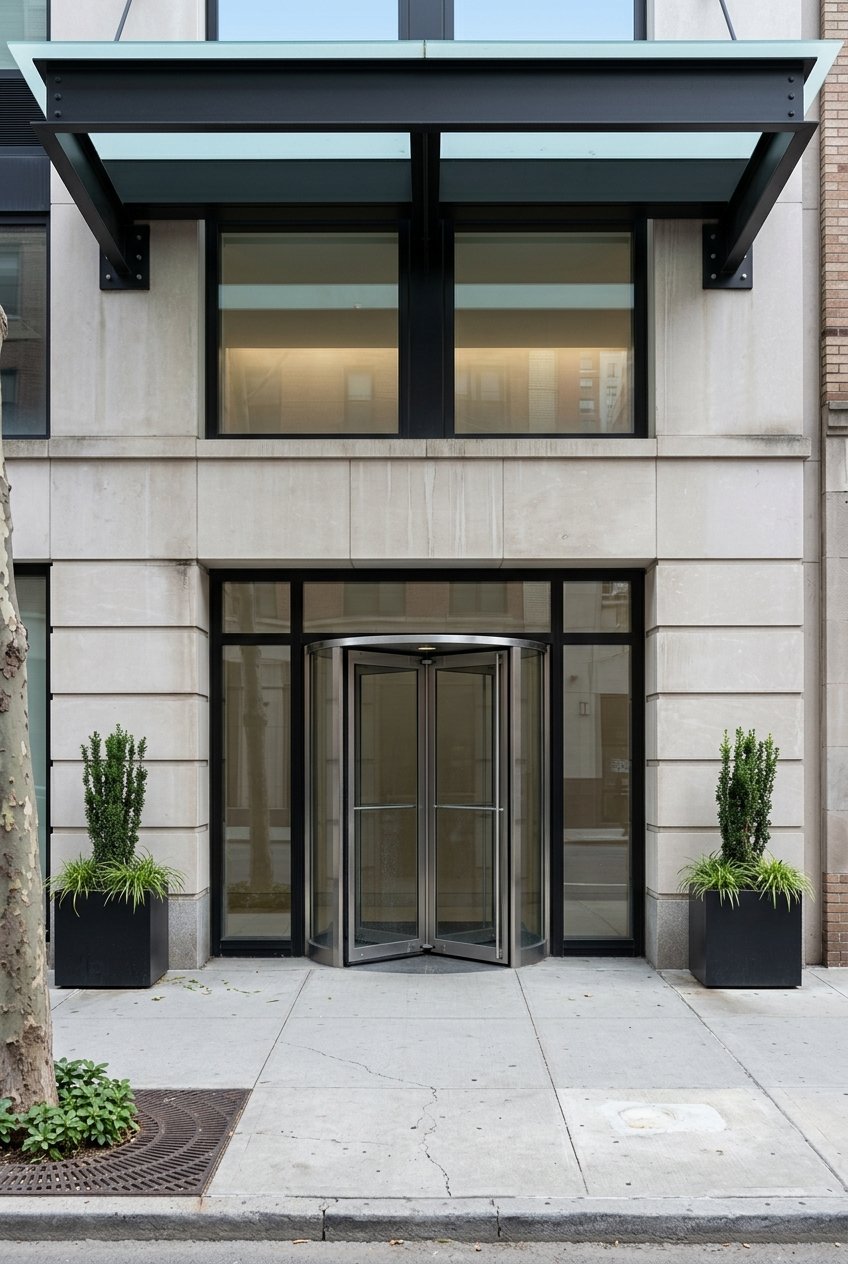
Tower living in Midtown East usually means a more managed and more turnkey routine. Newer or service-oriented buildings often center daily convenience, especially near the Grand Central core and the major avenues.
A representative example is The Perrie, which advertises a 24-hour attended lobby, full-time doorman, package room, fitness center, resident lounge, coworking suite, private courtyard garden, and in many homes, private balconies. For many buyers, that combination is the strongest argument for living vertically.
If your week is busy and your priorities are ease, staffing, and logistics, a tower can solve a lot of daily friction. Deliveries are simpler, guests are easier to receive, and amenities are built into the experience rather than added later through renovation.
Why towers appeal to busy buyers
For some buyers, the biggest luxury is not square footage. It is predictability. A staffed building can make everyday life feel smoother, especially if you travel often, commute regularly, or want a home that asks less of you on a day-to-day basis.
Tower living can also align well with buyers who value elevator access and shared amenities. In Midtown East, that often comes with close proximity to major transit and office corridors, which can be a meaningful quality-of-life advantage.
Townhouse and Small-Building Living
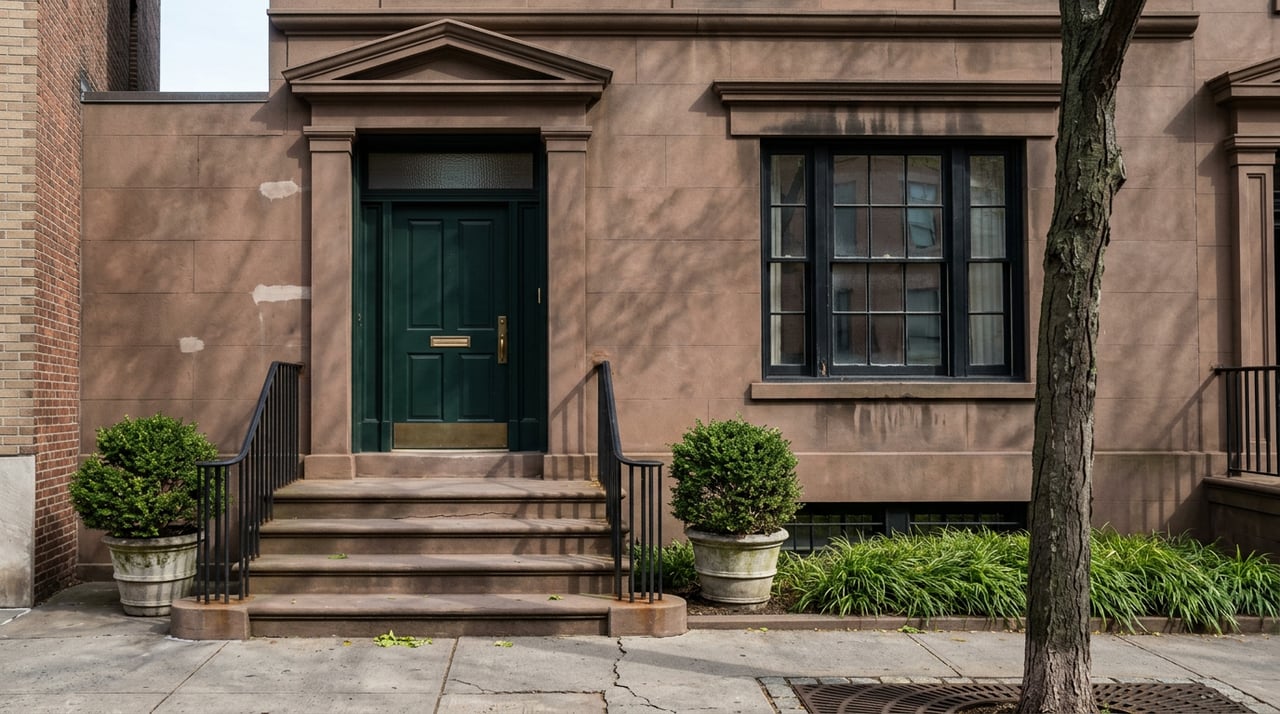
Townhouse living in Midtown East offers a different kind of value. Instead of staff-heavy convenience, it often gives you more separation from neighbors, more architectural character, and a more individualized residential feel.
That tradeoff matters. In a townhouse or small building, your home may feel more personal and more private, but you also take on more direct responsibility for maintenance, updates, and long-term planning.
For buyers drawn to a private-entry residence, this is often the core appeal. You are not just buying an apartment in a building. You are buying a distinct piece of Midtown East’s residential fabric.
Historic districts shape the experience
In Midtown East, townhouse living is often tied to preservation context. The Murray Hill Historic District remains fundamentally a rowhouse district, Turtle Bay Gardens is organized around shared garden space, Sutton Place includes low-rise single-family houses, and Beekman Place retains lower-scale buildings within a denser Midtown setting.
That means your home may come with landmark context as well as architectural charm. In designated historic districts, exterior work affecting a landmarked building must be approved in advance by the Landmarks Preservation Commission, which adds an important layer to ownership and renovation planning.
For the right buyer, that is part of the value. Preservation can help maintain the architectural identity that makes these blocks so compelling in the first place.
Privacy Versus Services
For most buyers, the cleanest way to compare townhouse and tower living is this: towers usually offer more services, while townhouses usually offer more privacy.
In a tower, you may have a doorman, package handling, a fitness room, and shared amenity spaces that reduce the number of tasks you need to manage yourself. That setup can feel efficient and supportive, especially if you prefer a more hands-off routine.
In a townhouse or small building, the daily experience is usually quieter and more self-directed. Fewer shared walls, private entry, and more control over your own space can create a stronger sense of separation from the building around you.
Neither option is automatically better. It depends on whether you want a highly managed home base or a more independent one.
Outdoor Space Works Differently
Outdoor space in Midtown East rarely looks like a large suburban yard. Here, it is more often pocket-sized, shared, privately managed, or carefully integrated into the building or block.
That makes the townhouse-versus-tower comparison especially important. Both can offer access to outdoor space, but they usually do so in very different ways.
Tower outdoor space
Midtown East has a dense network of small green spaces that support tower living. The MTA describes Midtown pocket parks as tiny, tranquil oases, often no larger than a quarter acre.
Dag Hammarskjold Plaza at 47th Street and Second Avenue offers 1.5 acres, six fountains, 49 benches, a cafe, and the Katharine Hepburn Garden. It also hosts a year-round Wednesday greenmarket, which adds another layer of neighborhood utility.
Greenacre Park on East 51st Street between Second and Third Avenues offers a waterfall, terrace, cafe, and seasonal heating in a privately owned but publicly accessible setting. City users also benefit from places like 50th Street Commons, which was built as part of Grand Central Madison.
In newer buildings, outdoor space may also be built into the property itself. The Perrie, for example, includes private balconies and a courtyard garden, showing how tower living can include curated shared and semi-private outdoor areas.
Townhouse outdoor space
For townhouse buyers, outdoor space tends to feel more personal and less standardized. It may come in the form of a rear garden, roof terrace, or small shared courtyard.
That difference can be meaningful if you want a more direct relationship between your living space and the outdoors. Instead of using a building amenity deck or public pocket park, you may have space that feels more integrated into the home itself.
Midtown East has several examples of this garden-oriented pattern. Tudor City Greens maintains two landmarked parks on Tudor City Place between East 41st and 43rd Streets, and Turtle Bay Gardens and Sutton Place both reflect historic residential enclaves organized around garden courts rather than tower amenity spaces.
Commuting and Daily Logistics
If your routine depends on transit, Midtown East’s vertical core has a major edge. Grand Central is the transportation anchor of East Midtown, and planning materials describe the area as served by the Lexington Avenue subway, cross-town subway lines on 42nd and 53rd Streets, and a below-grade pedestrian network linking Grand Central Terminal to nearby subways and buildings.
MTA materials also note that Grand Central Madison brought Long Island Rail Road service into the terminal complex. For buyers who move often between Manhattan, the outer boroughs, and the suburbs, that is a real lifestyle advantage.
This is one reason tower living near Park Avenue, Madison Avenue, Lexington Avenue, and the Grand Central core often appeals to commuters. The building type and the transportation network reinforce each other.
Street rhythm matters
Midtown East changes block by block. The avenue edges around Grand Central tend to feel more vertical, busier, and more traffic-heavy, while townhouse pockets in Murray Hill, Sutton Place, and stretches around East 48th to 49th Streets or East 57th to 58th Streets often feel quieter and more residential.
City planning materials also point to narrow sidewalks and limited open space as neighborhood challenges, which makes this block-level distinction even more important. In practice, your experience of Midtown East may depend less on the neighborhood label and more on whether your home sits on an avenue, near a transit hub, or within a preserved side-street pocket.
Which Midtown East Lifestyle Fits You?
If you want elevators, staffed service, package handling, and a more turnkey routine, tower living may be the better fit. It is often the more convenient choice, especially if access, amenities, and commuting efficiency matter most to you.
If you want privacy, character, more control over your daily space, and the possibility of a private garden or roof terrace, townhouse or small-building living may be more compelling. In Midtown East, that often means choosing one of the preserved residential pockets rather than the vertical core.
This is where specialized guidance matters. A townhouse search in Midtown East is not just about style or square footage. It can also involve landmark context, renovation implications, and a more nuanced read of the block itself.
If you are weighing townhouse living in Midtown East or preparing to sell a private-entry property here, working with a specialist can help you evaluate the details that general market summaries often miss. For a tailored strategy grounded in Manhattan townhouse expertise, connect with Tom Wexler.
FAQs
What is the main difference between townhouse and tower living in Midtown East?
- The main difference is usually privacy versus services. Towers often offer staffed amenities and a more turnkey routine, while townhouses and small buildings often offer more privacy, character, and control over your space.
Where are the townhouse-style pockets in Midtown East?
- Notable townhouse and small-building pockets include the Murray Hill Historic District, Turtle Bay Gardens, Sutton Place, Tudor City Place, and other lower-scale side streets within Manhattan Community District 6.
Why do Midtown East towers appeal to commuters?
- Towers near Grand Central, Park Avenue, and Lexington Avenue benefit from strong transit access, including the Lexington Avenue subway, cross-town lines on 42nd and 53rd Streets, and Long Island Rail Road service through Grand Central Madison.
Does townhouse ownership in Midtown East involve landmark rules?
- It can. In designated historic districts, exterior work affecting a landmarked building must be approved in advance by the Landmarks Preservation Commission.
Can you still get outdoor space in a Midtown East tower?
- Yes. Some towers offer private balconies, courtyard gardens, or other managed outdoor amenities, and the area also has pocket parks and publicly accessible green spaces like Dag Hammarskjold Plaza and Greenacre Park.
Is Midtown East one consistent housing market?
- No. Midtown East in 10016 is a pocketed market with very different living environments, from the transit-heavy Grand Central core to quieter historic and garden-oriented residential enclaves.