Buying a townhouse in Carnegie Hill is not like buying a typical Manhattan apartment. You are not just choosing square footage or finishes. You are weighing block character, landmark rules, layout practicality, and long-term livability in one of the Upper East Side’s most defined townhouse settings. If you want to understand what really matters before you buy in 10128, this guide will walk you through the key factors and help you focus on the details that deserve the closest look. Let’s dive in.
Why Carnegie Hill Stands Out
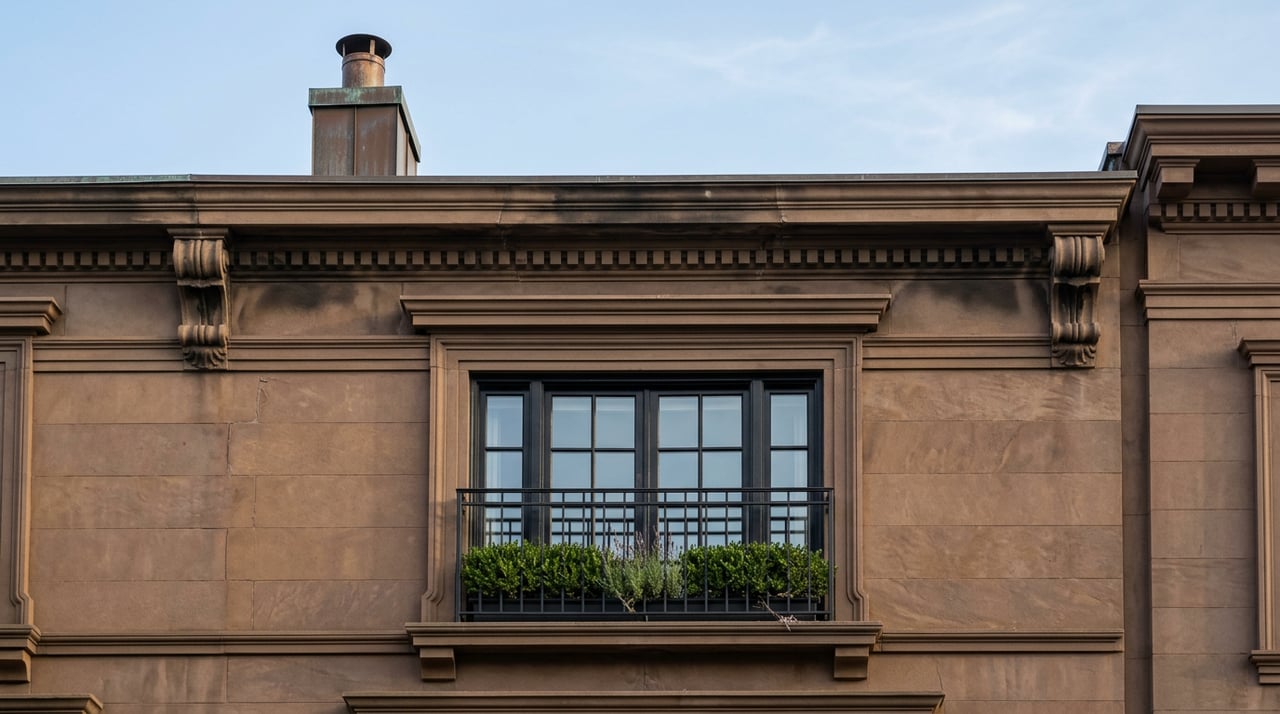
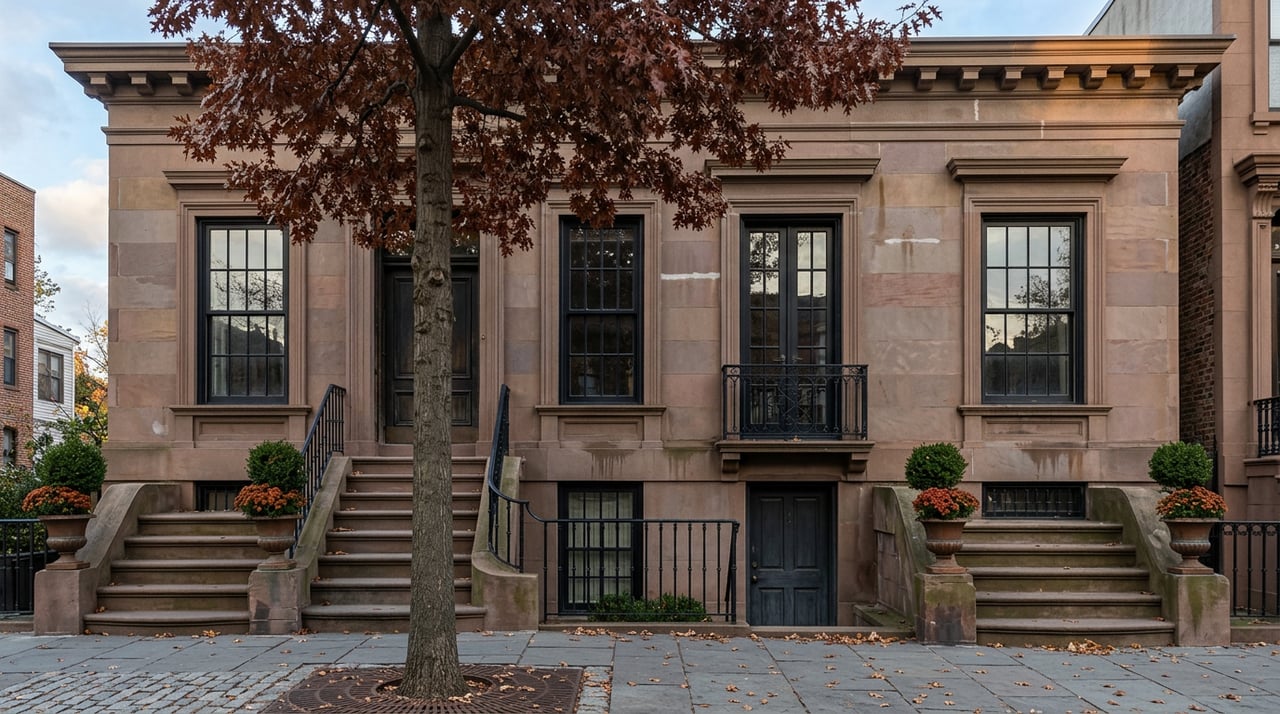
Carnegie Hill offers a townhouse experience shaped by both architecture and preservation. The area includes the original Carnegie Hill Historic District and the Expanded Carnegie Hill Historic District, with designation dates of 1974 and 1993. According to the Landmarks Preservation Commission, the district includes roughly 100 buildings dating from the 1880s through the early 1930s, including rows of brownstone, limestone, and brick houses.
For you as a buyer, that historic framework matters. In Carnegie Hill, the streetscape is part of the value of ownership. The neighborhood’s character is not just a pleasant backdrop. It is a protected part of what makes the area desirable.
Townhouse Supply Is Limited
If you are searching for a townhouse in Carnegie Hill, expect a small pool of options. Current StreetEasy inventory shows just 9 houses for sale in the neighborhood, with examples ranging from about $6.875 million for a 5,000-square-foot house to $35 million for a 15,950-square-foot house.
That scarcity is important because the broader Carnegie Hill housing stock is dominated by co-ops and condos. Townhouses make up a much smaller part of the market. In practice, that means well-positioned houses can attract serious attention simply because there are not many of them available.
What Carnegie Hill Townhouses Usually Look Like
Most historic Manhattan townhouses follow a familiar vertical layout, and Carnegie Hill homes often fit that pattern. You will usually see a garden level below street grade, a parlor floor above street level with the tallest ceilings and biggest windows, and upper floors used for bedrooms. Many also have separate entrances at the garden and parlor levels.
That layout can work very well for modern living, but it requires you to think differently than you would in a single-floor apartment. Many buyers use the lower level for the main kitchen or family space, while reserving the parlor floor for entertaining and formal living. The result can feel both elegant and practical, provided the circulation works for your day-to-day life.
Typical Size and Bedroom Range
Current Carnegie Hill townhouse listings show a meaningful range in size. Sampled inventory includes homes of about 3,072 square feet, 5,000 square feet, 6,735 square feet, and 10,811 square feet, with bedroom counts generally ranging from 4 to 6.
That tells you something useful about the neighborhood. Carnegie Hill is not only a market for trophy houses. It also offers multi-floor homes that can suit buyers looking for a more livable, family-scale townhouse format.
How to Evaluate Layout for Daily Life
A townhouse may look impressive on paper and still feel awkward in person. Since these homes are vertically stacked, one of your first questions should be how well the floors connect to each other and whether the main living spaces are where you want them.
As you tour homes, pay attention to a few basics:
- Where the kitchen sits in relation to casual living space
- Whether the parlor floor works for how you entertain
- How many full flights of stairs separate bedrooms from daily-use rooms
- Whether outdoor space is easy to access
- How much natural light reaches the garden level
In Carnegie Hill, the most compelling houses often balance historic proportions with a layout that feels workable now. A beautiful facade matters, but so does a floor plan you can actually enjoy every day.
Landmark Review Should Be Part of Your Diligence
In Carnegie Hill, landmark status is often central to the buying decision. Most exterior changes to buildings in historic districts require review by the Landmarks Preservation Commission. Ordinary maintenance such as replacing broken glass or repainting to match the existing exterior generally does not.
The LPC also requires permits for interior work when the work needs a Department of Buildings permit, affects the exterior, or involves an interior landmark. For you as a buyer, this means renovation plans should never be treated casually. If you are considering changing windows, altering a rear facade, adding to the roof, or building an extension, those items deserve close review before contract, not after closing.
Why Permit History Matters
Permit history can tell you a great deal about risk. The LPC says it reviews proposed changes for sensitivity to the building and the district, rather than requiring buildings to look artificially old-fashioned. It also notes that if a nonconforming alteration predates landmark designation, the agency generally cannot require its removal unless the owner later seeks to change that feature.
That nuance matters in Carnegie Hill. Two houses on similar blocks can carry very different renovation implications depending on what was altered, when it was altered, and whether approvals were properly secured. A clean, understandable record can make a major difference in how confidently you move forward.
School Planning Requires an Exact Address
If schools are part of your planning, avoid making assumptions based on the neighborhood name alone. The New York City Department of Education says most families have a zoned elementary or middle school, but zoning is address-specific. Families need to enter the exact home address into the DOE’s school search tool to confirm whether a zoned school applies.
That is especially important in a neighborhood like Carnegie Hill, where buyers often compare nearby public school options as part of a longer-term move. The area sits in Manhattan Community School District 2, and nearby District 2 schools in 10128 include P.S. 198 Isidor E. Ida Straus, P.S. 527 - East Side School for Social Action, East Side Middle School, and The High School for Climate Justice. These are nearby options, not universal assignments for every address.
How Carnegie Hill Compares Nearby
For many buyers, the real question is not whether Carnegie Hill is expensive. It is whether Carnegie Hill offers the right value relative to nearby Upper East Side townhouse markets.
Current Carnegie Hill listings include homes around $6.875 million, $6.95 million, $17.5 million, and $17.8 million in the sampled inventory. That places the neighborhood in a premium category, but not in a way that makes every listing a top-of-market trophy property.
Carnegie Hill vs. Yorkville
Yorkville is often the lower-priced comparison nearby. Current townhouse and house listings there include examples around $6.125 million for roughly 3,000 square feet, $7.85 million for about 4,148 square feet, and $10.3 million for about 6,500 square feet.
For you, Yorkville can serve as a useful benchmark. If you are deciding whether Carnegie Hill is worth the premium, the answer often comes down to whether you value the landmark setting, townhouse character, and block quality enough to pay more for them.
Carnegie Hill vs. Lenox Hill
Lenox Hill tends to have a higher ceiling at the top end. Current listings there range from roughly $4.995 million and $5.999 million on the lower end of the sampled set to $19.5 million, $23.9 million, $39.995 million, and $40 million for trophy-level properties.
That makes Lenox Hill an important comparison, but not always a direct substitute. Carnegie Hill often competes less on maximum scale and more on historic identity, protected streetscape, and family-friendly townhouse living.
What Makes the Premium Worth It
In Carnegie Hill, the strongest value proposition usually comes from a specific combination of traits. The neighborhood’s appeal is often most defensible when a house offers landmark character, a strong block, a usable layout, and a permit history that does not create unnecessary friction.
Buyers should pay especially close attention to these factors:
- A block with consistent architectural character
- A layout that supports modern daily living
- Usable outdoor space
- Sensible light and room flow across multiple floors
- Clear renovation and permit history
- Realistic potential for future updates under LPC rules
When those pieces align, Carnegie Hill can offer something difficult to replicate elsewhere on the Upper East Side. You are buying not only a private-entry home, but also a setting where preservation helps protect the larger character of the block over time.
A Smart Buyer’s Approach
The best Carnegie Hill townhouse purchases are usually the result of disciplined evaluation, not just emotional reaction. It is easy to fall for a facade, a stoop, or a beautifully proportioned parlor floor. But the real test is whether the property works as a whole, from legal and landmark diligence to layout and future flexibility.
That is why townhouse buying in Manhattan benefits from specialist guidance. In a market where inventory is scarce and every building has its own story, small details can have an outsized impact on value, cost, and ease of ownership.
If you are weighing a Carnegie Hill townhouse purchase and want experienced, senior-level guidance on layout, landmark considerations, and neighborhood fit, Tom Wexler can help you build a smart, tailored buying plan.
FAQs
What makes Carnegie Hill townhouses different from nearby Manhattan homes?
- Carnegie Hill townhouses often stand out for their historic district setting, protected streetscape, and classic multi-floor layouts with garden and parlor levels.
How many Carnegie Hill townhouses are usually for sale?
- Inventory is limited. The current StreetEasy houses page for Carnegie Hill shows 9 houses for sale, which reflects how small this segment of the neighborhood market is.
What townhouse layout is common in Carnegie Hill?
- Many homes follow the classic Manhattan townhouse pattern with a garden level below street grade, a parlor floor above street level, and upper floors used for bedrooms.
Do Carnegie Hill townhouse renovations need landmark approval?
- Many do. Most exterior changes in historic districts require LPC review, and some interior work also requires LPC permits when it involves DOB-permitted work, exterior impact, or an interior landmark.
Can you rely on a Carnegie Hill address for school zoning?
- No. NYC school zoning is address-specific, so you need to check the exact property address through the New York City Department of Education’s school search system.
How does Carnegie Hill compare with Yorkville and Lenox Hill for townhouse buyers?
- Yorkville is generally a lower-priced nearby comparison, while Lenox Hill often reaches higher at the top end. Carnegie Hill typically competes on historic character, block quality, and family-scale townhouse livability.