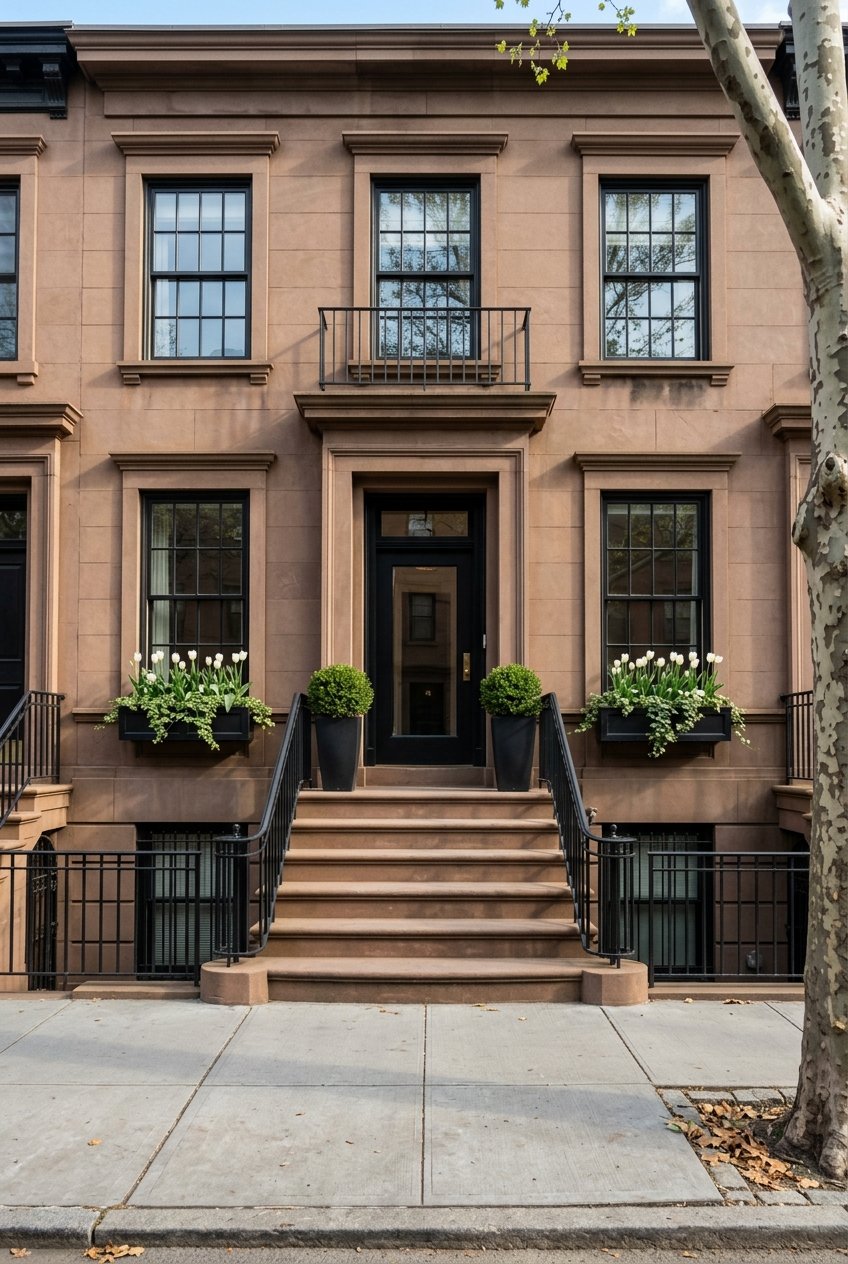
What makes Upper East Side townhouse living feel so distinct? It is not only the private entry, the stoop, or the rhythm of a multi-floor home. It is also what happens once you step outside. In this part of Manhattan, townhouse living is closely tied to parks, museums, neighborhood shopping, and a daily routine that can stay remarkably local. If you are thinking about buying or selling here, understanding that lifestyle story can help you see the neighborhood more clearly. Let’s dive in.
Upper East Side townhouse living starts on the street
The Upper East Side has long been one of Manhattan’s most sought-after residential settings, and its built environment still helps explain why. The Landmarks Preservation Commission describes the area as a place with an attractive mix of quality residential construction and commercial conveniences. That balance is a big part of what gives townhouse living here its lasting appeal.
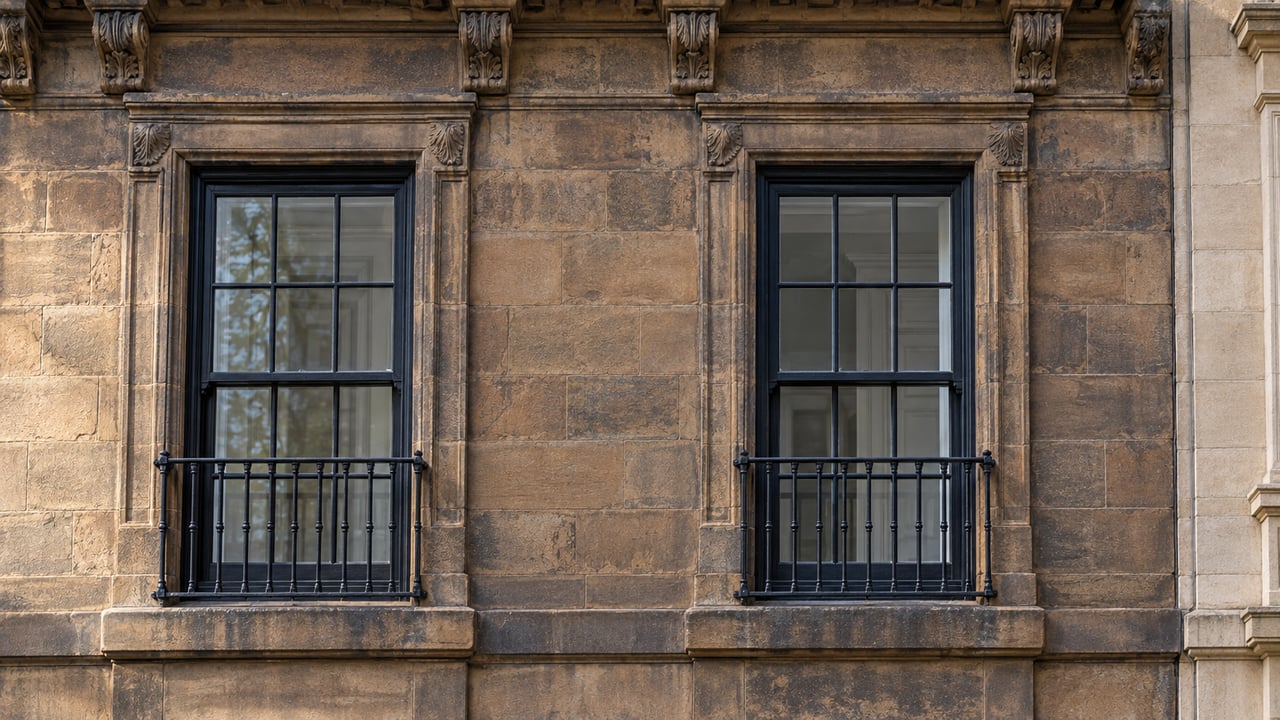
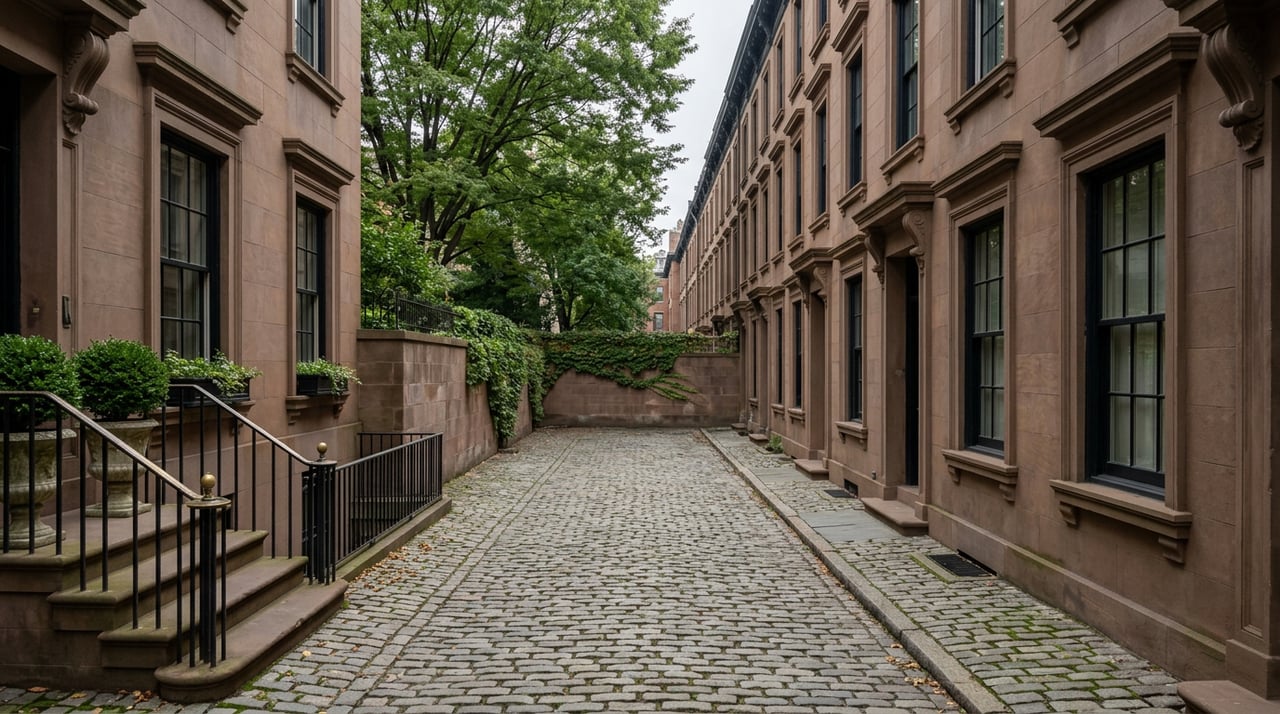
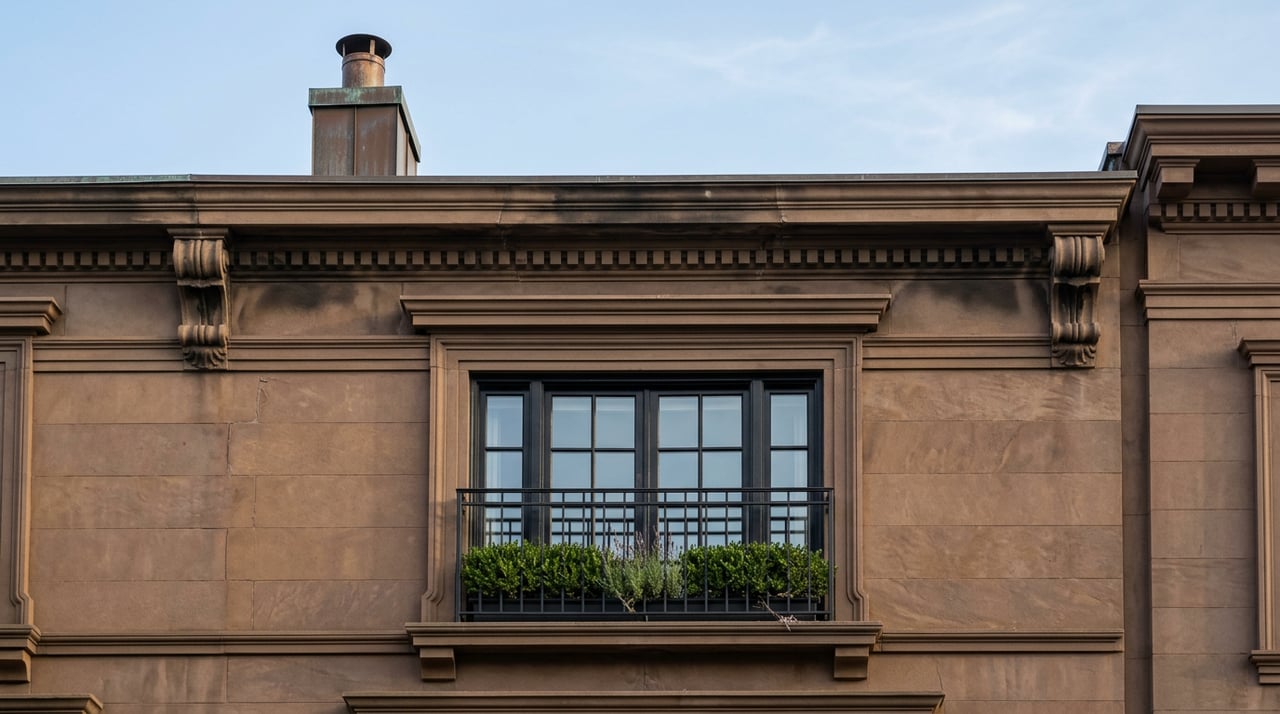
In the Upper East Side Historic District Extension, Lexington Avenue between East 63rd and East 76th Streets includes 74 buildings. Many of the surviving rowhouses date to the 1870s and 1880s, with Italianate and neo-Grec design features. You still see the visual language that many townhouse buyers want: raised parlor floors, tall stoops, and closely spaced houses that create a strong sense of architectural continuity.
That setting matters because townhouse living here does not feel cut off from the city. It feels integrated into a neighborhood where residential blocks and local commerce have coexisted for generations. For buyers, that can mean a more layered day-to-day experience. For sellers, it is a reminder that the home’s value often extends beyond the front door.
Parks shape the daily routine
One of the strongest lifestyle advantages of the Upper East Side is how easily green space fits into everyday life. Central Park runs from 59th to 110th Streets, and the east side of the park offers several destinations that work well for short walks, casual downtime, and regular routines.
East Green at 69th Street is described as a quiet lawn suited to picnicking, reading, sunbathing, and spring blooms. Trefoil Arch at 73rd Street connects the East Drive with a pedestrian path between the Boathouse and Conservatory Water. These are the kinds of places that make a quick morning or afternoon park visit feel realistic, not aspirational.
Farther north, East Meadow between 97th and 100th Streets offers one of the park’s major open lawns for picnicking, casual play, and relaxed outdoor time. Vanderbilt Gate at 105th Street marks the Fifth Avenue entrance to the Conservatory Garden, giving you access to a more formal garden experience within the park. Together, these spaces support a wide range of routines without requiring much planning.
Carl Schurz Park and fitness add range
The Upper East Side lifestyle is not defined by Central Park alone. Carl Schurz Park stretches from East End Avenue to the East River between East 84th and East 90th Streets and covers 14.938 acres. That gives townhouse residents another outdoor option, this time with a waterfront setting that feels different from the interior landscape of Central Park.
For fitness, Asphalt Green’s Upper East Side campus at 555 East 90th Street adds another layer of convenience. The facility includes an Olympic pool, a teaching and exercise pool, a fitness center, an outdoor soccer field, a basketball court, and long daily hours. If you are evaluating townhouse life here, that combination of park access and structured recreation is part of the equation.
In practical terms, the neighborhood supports a routine that can include a park walk, a stop by the water, a swim or workout, and a return to a private house nearby. That rhythm is one reason Upper East Side townhouse living feels both urban and personal.
Museum access becomes part of normal life
The Upper East Side’s cultural appeal is not just about prestige. It is about proximity to institutions that can become part of your weekly routine. For townhouse owners and buyers, that can make the neighborhood feel richer and more livable over time.
The Met Fifth Avenue sits at 1000 Fifth Avenue at 82nd Street and presents more than 5,000 years of art. The Frick Collection has reopened at 1 East 70th Street following a major renovation completed in spring 2025. Cooper Hewitt, Smithsonian Design Museum, at 2 East 91st Street, remains the only museum in the United States devoted exclusively to historical and contemporary design.
Neue Galerie at 1048 Fifth Avenue is temporarily closed for a multi-phased construction project, with plans to reopen in Autumn 2026. Even with that temporary closure, the museum corridor remains one of the neighborhood’s defining strengths. These are not distant cultural landmarks. They are close enough to shape how you spend an ordinary Saturday or even a free hour on a weekday.
Why Museum Mile matters for townhouse buyers
The current museum programming helps show how practical this access can be. The Met offers frequent tours and events, the Frick highlights its renovated home and on-site dining, and Cooper Hewitt pairs museum access with a public garden and café that is open without museum admission. That variety makes cultural life feel flexible rather than formal.
The museum area is also supported by transit access around 86th Street and Fifth or Madison Avenue. For townhouse residents, that means entertaining, meeting friends, or planning an afternoon around the museums can be relatively straightforward. When buyers imagine daily life here, this is often part of the picture.
Madison Avenue supports everyday convenience
Townhouse living on the Upper East Side is often associated with architecture and privacy, but convenience is just as important. The Madison Avenue Business Improvement District runs from East 57th to East 86th Streets and includes adjacent side streets. According to the BID, the district contains about 250 buildings and more than 800 businesses.
That concentration matters because it supports a neighborhood pattern where many errands, appointments, and small purchases can stay close to home. The district includes boutiques, galleries, restaurants, and hotels, and the BID focuses on security, sanitation, promotion, and advocacy. In simple terms, it is a highly active commercial corridor that complements nearby residential blocks.
For townhouse owners, that can mean less friction in daily life. A neighborhood feels different when you can handle more of your routine within a compact area. That walkable rhythm is part of the Upper East Side’s value proposition.
Dining adds flexibility to the neighborhood
The Upper East Side also supports a broad range of dining choices. New York City Tourism describes the area as a neighborhood where refined culture and shopping are central, and its guide points to restaurants such as Bar Italia, Orsay, Serendipity 3, Zabb PuTawn, Miriam Upper East Side, Oda House, and La Goulue.
The takeaway is not that there is one signature dining scene. It is that the neighborhood supports both casual meals and more formal evenings without requiring you to leave uptown. That flexibility is often important in townhouse living, where people value both privacy at home and ease when stepping out.
Shopping follows a similar pattern. The Upper East Side’s commercial identity includes not only Madison Avenue boutiques but also a broader mix of high-end retail and services. For buyers, that helps define the neighborhood’s daily comfort. For sellers, it strengthens the larger lifestyle narrative around the property.
What buyers should notice beyond the house
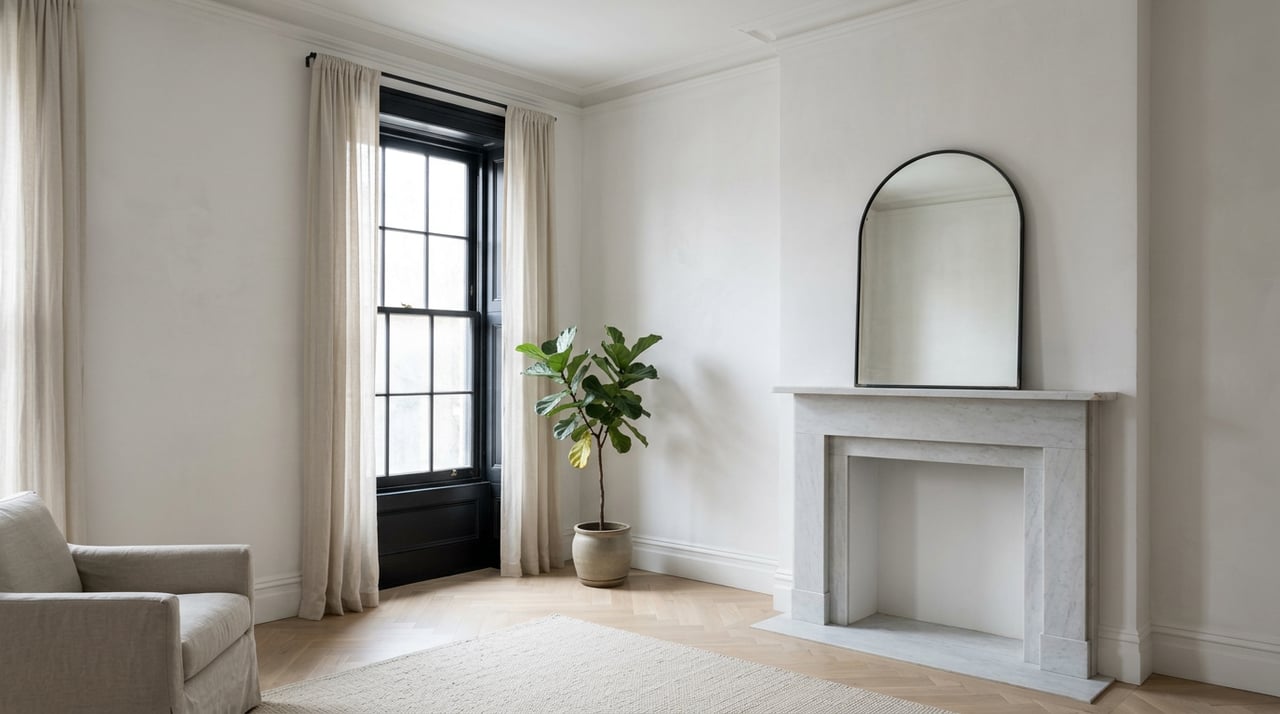
If you are buying an Upper East Side townhouse, it helps to think beyond floor plans and finishes. The private-entry, multi-level layout may be the starting point, but the surrounding neighborhood often determines how the home will actually live day to day. Proximity to parks, fitness options, museum destinations, and shopping corridors can have a direct effect on your routine.
This is especially true in a townhouse search, where the home itself often asks for a more nuanced evaluation. You may be weighing block character, landmark context, the feel of nearby streets, and how easily your household can move between quiet residential space and neighborhood activity. In that sense, the Upper East Side offers more than prestige. It offers a highly usable pattern of living.
For a discerning buyer, that pattern can justify why one townhouse feels better suited than another, even if the numbers appear similar on paper. A specialist’s perspective can help you assess not only the property, but also the neighborhood context that supports long-term enjoyment and value.
What sellers can highlight in the story
If you are selling an Upper East Side townhouse, your marketing story should extend beyond interiors and dimensions. Buyers in this segment are often purchasing a lifestyle as much as a structure. The appeal may include morning walks in Central Park, access to Carl Schurz Park, museum visits that fit into the week, and an errand-friendly stretch of Madison Avenue nearby.
That does not mean overstating the property. It means presenting it in the full context of how townhouse living works here. On the Upper East Side, the best townhouse marketing is often precise, local, and grounded in the daily experience a buyer can realistically expect.
This is where tailored guidance matters. Townhouse buyers and sellers are not usually looking for a generic market pitch. They want someone who understands the nuances of block-by-block context, architectural setting, and the broader neighborhood story that helps a property stand apart.
If you are considering a move on the Upper East Side, working with a townhouse specialist can help you frame that story with clarity and confidence. When you are ready to talk through your options, connect with Tom Wexler for a tailor-made townhouse plan.
FAQs
What defines Upper East Side townhouse living in 10021?
- Upper East Side townhouse living in 10021 is shaped by private-entry rowhouses, historic streetscapes, and close access to parks, museums, shopping, dining, and fitness options.
Which parks support daily life near Upper East Side townhouses?
- Central Park offers destinations such as East Green, Trefoil Arch, East Meadow, and the Conservatory Garden entrance at Vanderbilt Gate, while Carl Schurz Park adds waterfront open space between East 84th and East 90th Streets.
Which museums are near Upper East Side townhouse areas?
- Key nearby institutions include The Met Fifth Avenue, the Frick Collection, and Cooper Hewitt, with Neue Galerie planned to reopen in Autumn 2026 after construction.
What shopping areas matter for Upper East Side townhouse owners?
- Madison Avenue and its adjacent side streets are a major commercial corridor, with about 250 buildings and more than 800 businesses within the BID area from East 57th to East 86th Streets.
Why does neighborhood context matter when buying an Upper East Side townhouse?
- Neighborhood context matters because townhouse value and livability are shaped not only by the house itself, but also by nearby parks, cultural destinations, walkability, and daily convenience.
How should sellers market an Upper East Side townhouse lifestyle?
- Sellers should present the home alongside the surrounding lifestyle, including access to green space, museums, dining, and neighborhood shopping, since those features often help buyers understand the property’s broader appeal.