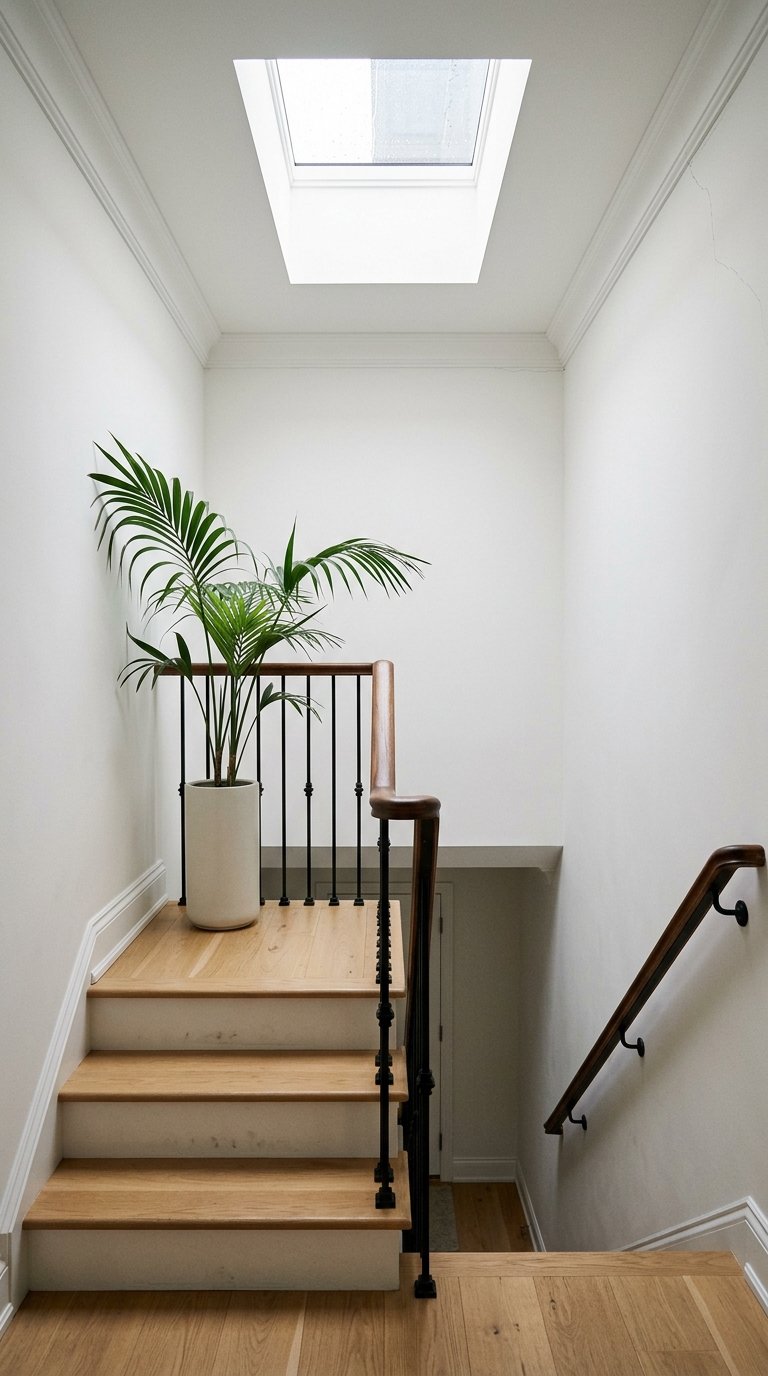
Looking for more privacy in the middle of Midtown? That is exactly why townhouse-style living stands out in Midtown East. If you want the convenience of a major transit hub without giving up the feel of a private entrance or a multi-level home, this niche can offer a rare middle ground. Here is what townhouse-style living really means in Midtown East, where you are most likely to find it, and what to weigh before you buy.
Why Midtown East Feels So Convenient
Midtown East is not just another Manhattan neighborhood. East Midtown is a 73-block area centered around Grand Central Terminal, and New York City Planning describes it as one of the city’s major job centers, with about 70 million square feet of office space and roughly 200,000 workers. That business-core identity shapes everything from the street activity to the transit options.
For you as a buyer, that means convenience is built into daily life. NYC Planning identifies East Midtown as one of the city’s most transit-rich locations, with a below-grade pedestrian network that links Grand Central Terminal, the subway station, and surrounding buildings. In practical terms, that makes the area highly commuter-friendly and unusually easy to navigate on foot.
Grand Central is the anchor of that convenience. The MTA lists subway service at 42 St-Grand Central, MTA bus connections, Grand Central Madison for Long Island Rail Road service, and Metro-North access to the Harlem, Hudson, New Haven, Port Jervis, and Pascack Valley lines. Few Manhattan areas offer that mix of local and regional transportation in one place.
Convenience here also extends beyond commuting. In February 2025, the MTA reported that more than 90% of retail spaces at Grand Central were filled, with restaurant and shopping offerings continuing to expand. That matters because Midtown East convenience is not just about getting somewhere else. It is also about having daily essentials, food, and services close at hand.
What Townhouse-Style Living Means Here
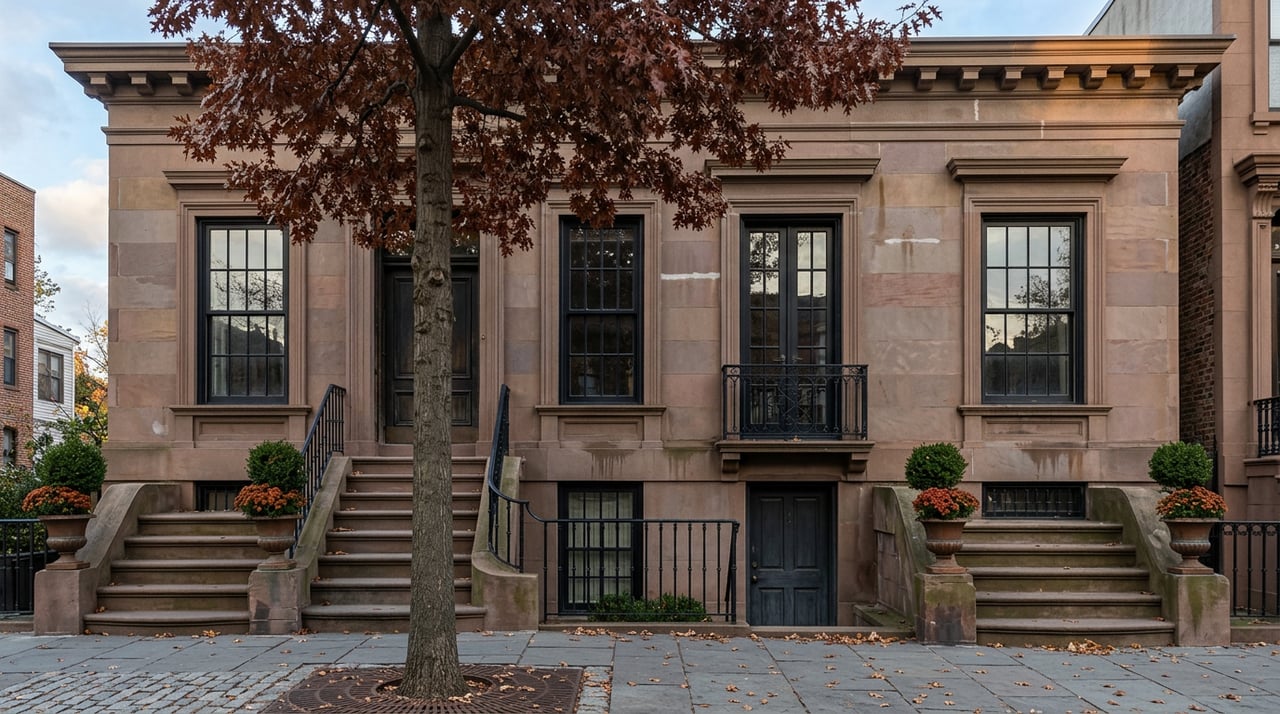
In Midtown East, townhouse-style living is less about a single property category and more about a lifestyle pattern. Cambridge defines a townhouse as one of a row of similar houses joined by shared walls. It defines a maisonette as a small apartment within a larger building that has two levels and its own entrance.
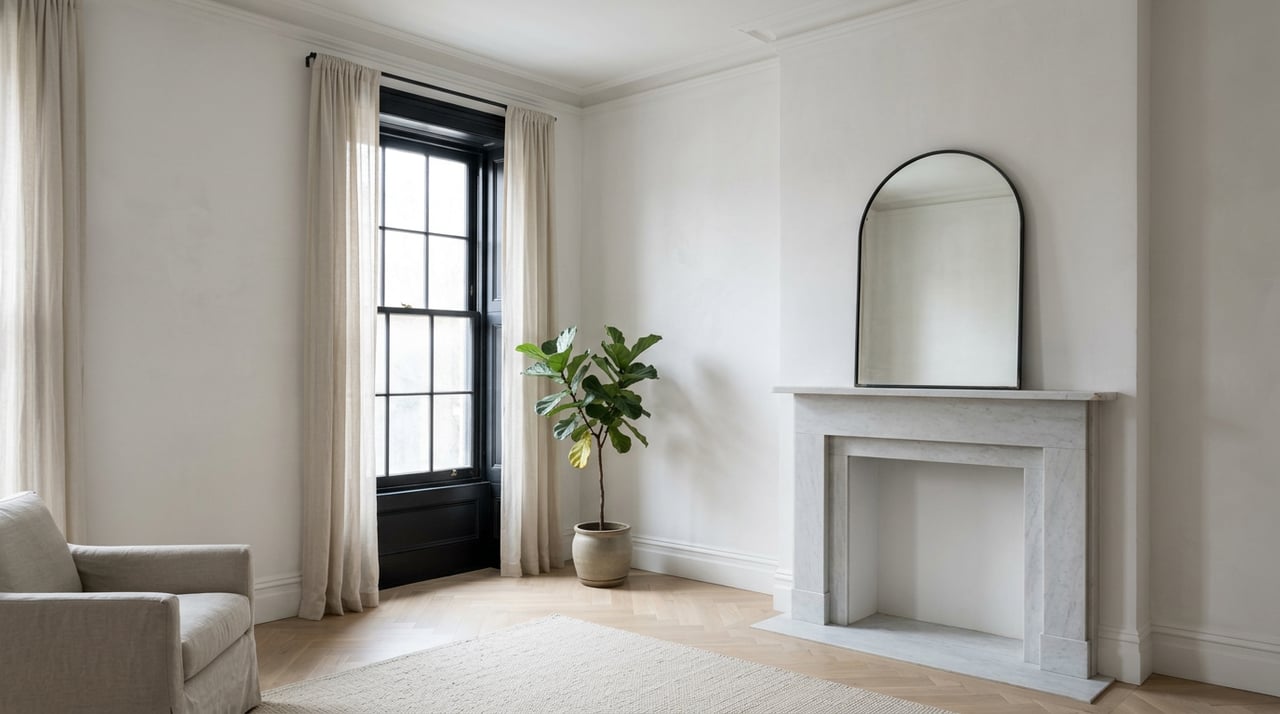
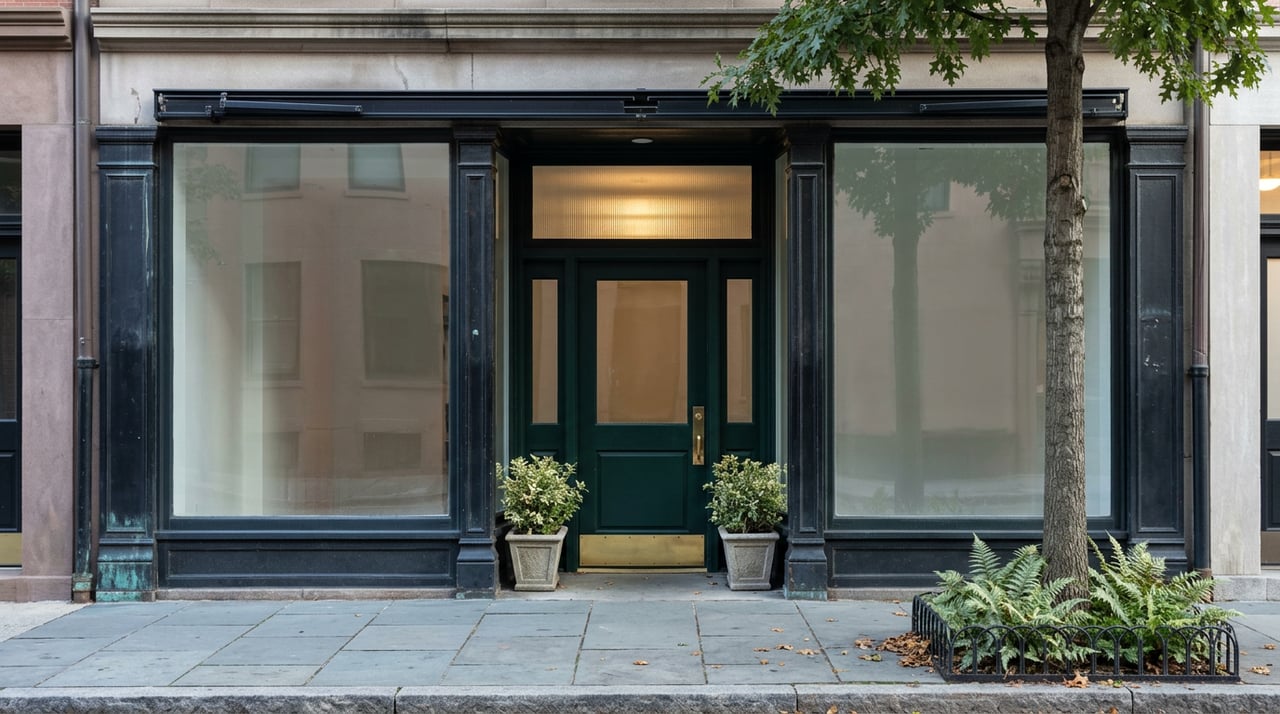
Those definitions get to the heart of what many buyers want in this market. You may be looking for a private threshold, a more house-like layout, or less dependence on a shared lobby and elevator. In Midtown East, that can show up as a true townhouse, a duplex or maisonette in a larger building, or a low-rise conversion that feels more residential from the street.
That distinction matters because Midtown East is still primarily an office-dense district. True townhouse-style inventory is limited, and it tends to feel niche rather than widespread across the main avenue corridors. If you are searching for this type of home, it helps to think of it as a rare privacy upgrade inside a highly connected urban core, not as a suburban substitute.
Where This Housing Type Is Most Likely
If you are hoping to find large stretches of rowhouse inventory in the center of East Midtown, you may be disappointed. The neighborhood’s office profile means low-rise residential stock is thinner than in more uniformly residential parts of Manhattan. That scarcity is part of what makes townhouse-style homes here feel special.
Still, the east-side context matters. The nearby Murray Hill Historic District contains 71 rowhouses and several apartment buildings, with rowhouse development dating back to the 1850s. That preserved low-rise fabric helps explain why townhouse-style living remains part of the broader Midtown East conversation, even if the inventory is limited.
For you, the takeaway is simple. If private-entry, multi-floor living is the goal, you may need to focus on specific pockets and adjacent low-rise blocks rather than the office-heavy heart of the district. A targeted search usually matters more here than a broad neighborhood sweep.
Townhouse-Style vs High-Rise Living
Many Midtown East buyers are really deciding between two different living experiences. On one side, you have townhouse-style homes, maisonettes, and duplexes with a more private, stacked layout. On the other, you have high-rise co-ops and condos built around shared systems, common areas, and a more formal building structure.
In New York, that ownership structure matters. The New York State Attorney General explains that buying a co-op means purchasing shares in a corporation that are tied to a specific apartment, along with a long-term proprietary lease. Condo ownership is different because you own a separate real estate unit plus an undivided interest in the common elements.
For many buyers, condos can feel structurally closer to house-like ownership than co-ops. Even so, both condos and co-ops usually involve shared building infrastructure in a way that a townhouse or private-entry unit may not. That is why the real question is often less about prestige and more about how you want to live day to day.
Key Lifestyle Differences
- Townhouse-style living often appeals if you value a private entrance, multi-floor separation, and a more house-like sense of circulation.
- High-rise co-ops and condos may suit you better if you prioritize elevator access, shared amenities, and a more centralized building operation.
- Maisonettes and duplexes can sit in the middle, giving you some private-entry appeal within a larger building.
What Buyers Should Review Carefully
No matter which format you choose, Midtown East buyers should pay close attention to building condition and documents. The New York State Attorney General advises buyers to review offering plans, read board minutes, and inspect core physical elements such as the facade, roof, flooring, elevators, HVAC, windows, electrical wiring, and plumbing. That guidance is especially relevant in Manhattan, where building age and complexity can vary widely.
This is particularly important for townhouse-style properties, smaller buildings, and older conversions. In a small residential structure, issues with the roof, facade, envelope, or windows can feel more immediate because there are fewer units sharing the cost and fewer layers of staff between you and the building systems. In other words, the house-like feel can come with house-like responsibility.
If the condition questions are technical, the Attorney General notes that purchasers may wish to rely on an engineer and an attorney. That is practical advice for any buyer looking at a multi-floor, private-entry home in Midtown East, especially where age, alteration history, or structural complexity is part of the picture.
Landmark Rules Can Affect Your Plans
For many buyers, part of the appeal of townhouse-style living is architectural character. But if the property is landmarked or located in a historic district, exterior changes are not just a design choice. They are also a regulatory issue.
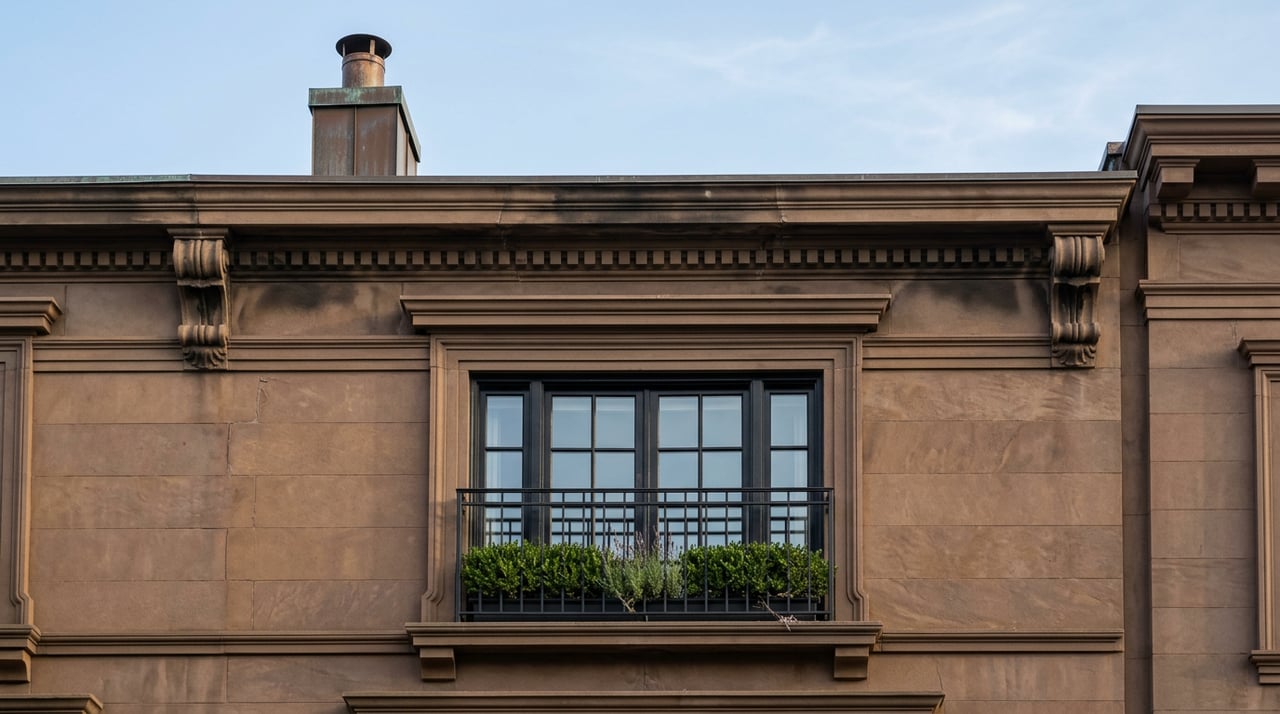
The New York City Landmarks Preservation Commission states that landmark status requires advance approval for alterations, reconstruction, demolition, or new construction affecting a designated building. It also notes that owners of buildings in historic districts need permits for most alterations. Ordinary exterior repairs and most interior work generally do not require approval, but exterior-facing work often does.
That can be both a benefit and a constraint. Landmark oversight can help preserve the character of the building and the surrounding streetscape, but it can also limit how far you can go with exterior redesign, windows, rooflines, or additions. If you are buying with renovation plans in mind, that is something to understand early.
LPC also states that owners of landmark buildings are expected to keep them in a state of good repair. In a townhouse or small building, that can make maintenance feel more visible and more personal than it might in a large tower. Facade upkeep, roof conditions, and exterior details tend to be front and center.
Why This Niche Appeals to Certain Buyers
Midtown East townhouse-style living is not for everyone, and that is part of its appeal. It tends to attract buyers who want direct access to one of Manhattan’s most connected locations while holding onto some separation from standard tower living. If that balance matters to you, the niche can be compelling.
What you are really buying is a combination of privacy and convenience. You stay close to Grand Central, major transit lines, offices, restaurants, and daily services, while also gaining a home that may feel more layered, quiet, and self-contained. In a business-core setting, that is a rare combination.
The tradeoff is that inventory is limited and due diligence matters. You may need to be patient, flexible on property format, and clear about whether you want a true townhouse, a maisonette, or a duplex that delivers a similar feel. A focused search usually produces better results than chasing broad labels.
How to Approach the Search
If you are considering townhouse-style living in Midtown East, a few priorities can help guide your search.
Start With Layout, Not Label
A property does not have to be a classic townhouse to live well for your needs. A maisonette or duplex with its own entrance may deliver much of the same daily experience. Focusing on circulation, entry, and privacy can open up more realistic options.
Prioritize Micro-Location
Because this housing type is limited, location matters block by block. You may find the best fit in select low-rise pockets or in areas that connect easily to Midtown East while preserving more of a residential streetscape. In this niche, precision matters.
Evaluate the Physical Asset
Older buildings and conversions deserve careful scrutiny. The facade, roof, windows, plumbing, electrical systems, and alteration history can all affect long-term ownership. A house-like home in Manhattan can be rewarding, but it benefits from informed evaluation.
Understand Future Work Early
If you expect to renovate, expand, or rework the exterior, landmark status and building rules should be part of your early decision-making. It is much easier to buy with those realities in mind than to discover them after closing.
Townhouse-style living in Midtown East works best when your expectations match the market. If you want privacy, layered living space, and exceptional transportation access, this niche can offer a very distinctive Manhattan lifestyle. If you understand the inventory limits and the technical details up front, you can search with much more confidence.
If you are weighing a townhouse, maisonette, or other private-entry option in Midtown East, working with a specialist can make the process more efficient and more informed. Tom Wexler brings senior-level Manhattan townhouse expertise, including guidance on small-building layouts, landmark considerations, and the realities of buying distinctive multi-floor homes.
FAQs
What does townhouse-style living mean in Midtown East?
- In Midtown East, townhouse-style living usually refers to a true townhouse, a duplex, a maisonette, or a low-rise conversion that offers a private entrance and a more house-like multi-level layout.
What is a maisonette in Midtown East real estate?
- A maisonette is a small apartment within a larger building that has two levels and its own entrance.
How common are true townhouses in Midtown East?
- True townhouse inventory is limited in the office-heavy core of Midtown East, with more low-rise residential fabric appearing in nearby pockets such as the broader east-side context around Murray Hill.
How is a Midtown East co-op different from a condo?
- In New York, a co-op buyer purchases shares in a corporation tied to a specific apartment and receives a proprietary lease, while a condo buyer owns an individual real estate unit plus an interest in the common elements.
What should buyers inspect in a Midtown East townhouse-style home?
- Buyers should closely review the facade, roof, flooring, windows, HVAC, electrical wiring, plumbing, and any relevant offering plans or board materials, depending on the property type.
When do landmark rules matter for Midtown East properties?
- Landmark rules matter when planned work affects the exterior, including changes to windows, rooflines, facades, or other regulated exterior features on designated buildings or within historic districts.