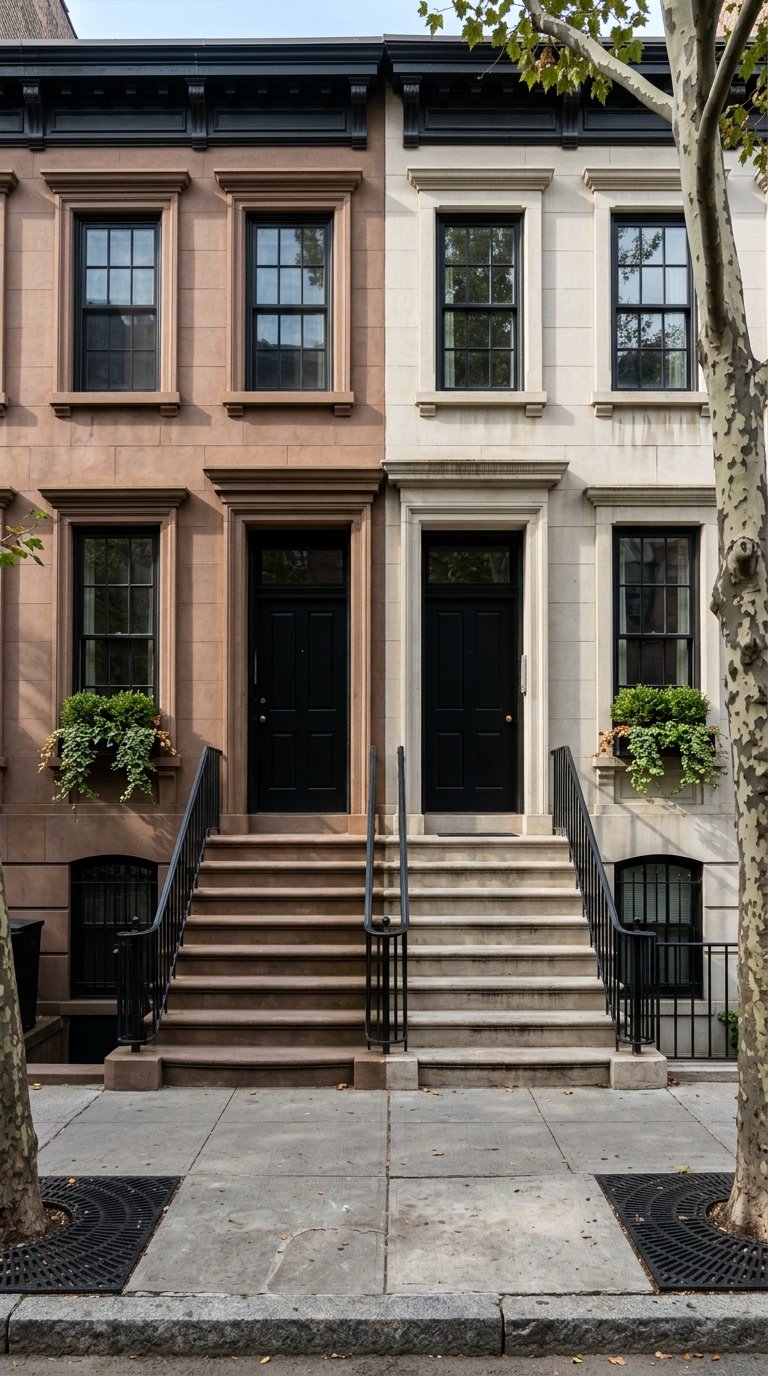
Choosing between Murray Hill and Midtown East for a townhouse sounds simple until you look closely at the blocks, buildings, and pricing behind the neighborhood labels. If you are trying to buy a private-entry home or small building in this part of Manhattan, broad market averages can point you in the right direction, but they cannot make the decision for you. This guide will help you compare the two through a townhouse lens, so you can focus on what actually matters: product type, location, transit, and long-term value. Let’s dive in.
Start With the Block, Not the Label
In this part of Manhattan, neighborhood boundaries do not line up neatly across every data source. The 10016 ZIP code is a useful broad frame, with a median listing price of $1,024,999 and a median rent of $5,000 per month, but that does not tell you what a specific townhouse on a specific block should command.
That matters because Murray Hill and Midtown East are defined differently depending on the source. Manhattan Community Board 6 includes Murray Hill along with nearby areas such as Kips Bay and Sutton Place, while East Midtown is shaped in part by a 73-block city planning area around Grand Central. If you are serious about a townhouse purchase, the right question is not just “Which neighborhood?” but “Which block and which building?”
Why Townhouse Buyers Need a Different Lens
Townhouse buyers should look beyond neighborhood medians because these areas are dominated by co-ops, condos, and larger buildings. A true townhouse or small building is a different asset class, and its value often turns on lot width, frontage, condition, legal use, and whether it sits in a landmarked setting.
This is where Murray Hill and Midtown East begin to separate. Murray Hill has a clearer rowhouse legacy, while Midtown East is more mixed in character, with a stronger office and commercial presence near Grand Central. If the building itself is your priority, that distinction carries real weight.
Murray Hill: A Stronger Residential Townhouse Identity
For buyers who want classic townhouse fabric, Murray Hill has an advantage. The Murray Hill Historic District was designated for a dense collection of 71 rowhouses plus three apartment buildings, which shows a meaningful residential townhouse legacy that is still visible today.
That kind of historic concentration can matter more than a neighborhood median. In a market where true townhouse inventory is limited, authentic residential streetscapes tend to create scarcity that is hard to reproduce. If your goal is to own a building with lasting architectural identity and a more residential feel, Murray Hill deserves close attention.
Murray Hill Pricing Snapshot
Realtor.com’s current Murray Hill snapshot shows:
- Median listing price: $865,000
- Median sold price: $730,000
- Median rent: $4,860 per month
- Homes for sale: 268
- Homes for rent: 379
- Median days on market: 79
The same data describes Murray Hill as a buyer’s market. Listing prices are down 8.95% year over year, sold prices are down 14.62% year over year, and sold prices remain up 11.96% over three years.
For you as a townhouse buyer, that suggests two things. First, there may be room for careful negotiation in the current market. Second, medium-term value has still held up better than a single year of pricing softness might suggest.
Midtown East: Transit and Rental Strength
Midtown East tells a different story. It is more closely tied to Grand Central, the East Midtown office core, and the city’s long-term planning around that district. If convenience, commuter access, and rental demand are high on your list, Midtown East often makes the stronger first impression.
Realtor.com’s current Midtown East snapshot shows a median listing price of $1.25 million and a median rent of $5,600 per month. It also shows a 97% sale-to-list ratio, a 7.41% year-over-year decline in median listing price, and a 5.66% year-over-year increase in median rent.
That combination points to softer sales pricing alongside firmer rental demand. For a buyer weighing future leasing flexibility or broad tenant appeal, that can make Midtown East a compelling option.
Grand Central Changes the Equation
Grand Central is the transit anchor for both neighborhoods. The terminal connects Metro-North service on the Harlem, Hudson, and New Haven lines, the 42 St-Grand Central subway complex, buses, and direct Long Island Rail Road service through Grand Central Madison.
In practical terms, that makes this entire area one of Manhattan’s strongest transit nodes. For Midtown East, that is central to the value story. For Murray Hill, it is still a major benefit, but with a somewhat more residential backdrop.
Landmark Rules Matter in Both Areas
If you are buying a townhouse here, preservation rules may affect what you can change. The Landmarks Preservation Commission requires advance approval for exterior alterations to landmarked buildings or buildings located within historic districts.
That does not mean landmarked properties are a negative. It means you should factor in approval timelines, design constraints, and renovation scope early in your search. In a market like this, understanding those rules can help you avoid surprises and assess value more accurately.
How Preservation Affects Your Search
A townhouse in Murray Hill may offer stronger historic residential character, but that can come with a more defined preservation framework. In Greater East Midtown, preservation sits alongside a more mixed environment of office buildings, landmarks, and redevelopment planning.
The best choice depends on what you want from ownership. If you value original fabric, a classic rowhouse setting, and scarcity, Murray Hill may feel more natural. If you want proximity to major transit and a district shaped by long-term institutional investment, Midtown East may fit better.
Comparing the Value Thesis
The most useful way to compare these neighborhoods is to ask what you want the asset to do for you. Are you buying for daily living, long-term hold, rental flexibility, or some mix of all three? Your answer should shape the neighborhood choice.
Here is the clearest way to think about it:
| Factor | Murray Hill | Midtown East |
|---|---|---|
| Overall feel | More residential townhouse identity | More mixed, office-adjacent environment |
| Townhouse legacy | Stronger rowhouse history | More varied building mix |
| Current median listing price | $865,000 | $1.25 million |
| Current median rent | $4,860/month | $5,600/month |
| Main strength | Scarcity and residential character | Transit convenience and rental resilience |
| Best fit for | Buyers focused on the building itself | Buyers focused on commute and leasing appeal |
When Murray Hill Makes More Sense
Murray Hill may be the better fit if you care most about owning a true townhouse in a setting that still reads as a residential rowhouse neighborhood. The historic district and the concentration of rowhouses support that story.
It may also appeal to you if you see the building itself as the primary asset. In that case, scarcity, architectural continuity, and the feel of the block can outweigh broader neighborhood median pricing.
When Midtown East Makes More Sense
Midtown East may be the better fit if your priority is convenience to Grand Central and the East Midtown business core. The area benefits from one of the strongest commuter locations in the city, and city planning has focused on keeping that district competitive over the long run.
It may also make more sense if rental demand is part of your strategy. Higher median rent and the area’s commuter appeal suggest a stronger convenience play for tenants who want fast access to transit and nearby office destinations.
Questions to Ask Before You Buy
Before you choose Murray Hill or Midtown East, make sure you answer these property-level questions:
- Is the property a true townhouse or small building, rather than a different product type under the same neighborhood label?
- Is the building landmarked or within a historic district?
- Will planned exterior work require Landmarks Preservation Commission approval?
- Does the exact block feel closer to the residential rowhouse fabric of Murray Hill or the Grand Central office core?
- Is your value thesis based on owner occupancy, rental income, or long-term scarcity?
These questions sound basic, but they often reveal the real answer faster than any neighborhood headline can.
The Best Choice Depends on Your Priorities
There is no universal winner between Murray Hill and Midtown East for a townhouse. Murray Hill usually stands out when you want residential character, authentic rowhouse fabric, and the kind of scarcity that can make townhouse ownership feel distinct. Midtown East usually stands out when you want unmatched commuter access, stronger rental convenience, and the support of a major long-term planning district around Grand Central.
In both cases, the smartest move is to evaluate the exact block, the exact building, and the exact restrictions that come with it. That is especially true in 10016, where ZIP code data, neighborhood labels, and townhouse reality do not always line up neatly.
If you are weighing Murray Hill against Midtown East for your next townhouse, working with a specialist can save you time and sharpen your decision. Tom Wexler can help you assess block-by-block value, landmark considerations, and the right fit for a Manhattan townhouse purchase.
FAQs
What is the main difference between Murray Hill and Midtown East for townhouse buyers?
- Murray Hill generally offers a stronger residential townhouse identity, while Midtown East is more closely tied to Grand Central, office access, and commuter convenience.
Is Murray Hill or Midtown East more expensive right now?
- Based on the research provided, Midtown East has the higher median listing price at $1.25 million, compared with $865,000 in Murray Hill.
Why does block-by-block analysis matter in 10016?
- The 10016 ZIP code covers a broad area, and neighborhood boundaries, planning zones, and housing types do not align perfectly, so one block can differ sharply from another.
Do landmark rules affect townhouses in Murray Hill and Midtown East?
- Yes. If a property is landmarked or located in a historic district, exterior alterations generally require advance approval from the Landmarks Preservation Commission.
Is Midtown East better for rental demand than Murray Hill?
- Midtown East currently shows a higher median rent at $5,600 per month versus $4,860 per month in Murray Hill, which suggests stronger rental pricing support.
Is Murray Hill better if I want a classic Manhattan rowhouse setting?
- Murray Hill may be a better fit if you prioritize historic rowhouse character and a more residential townhouse environment.