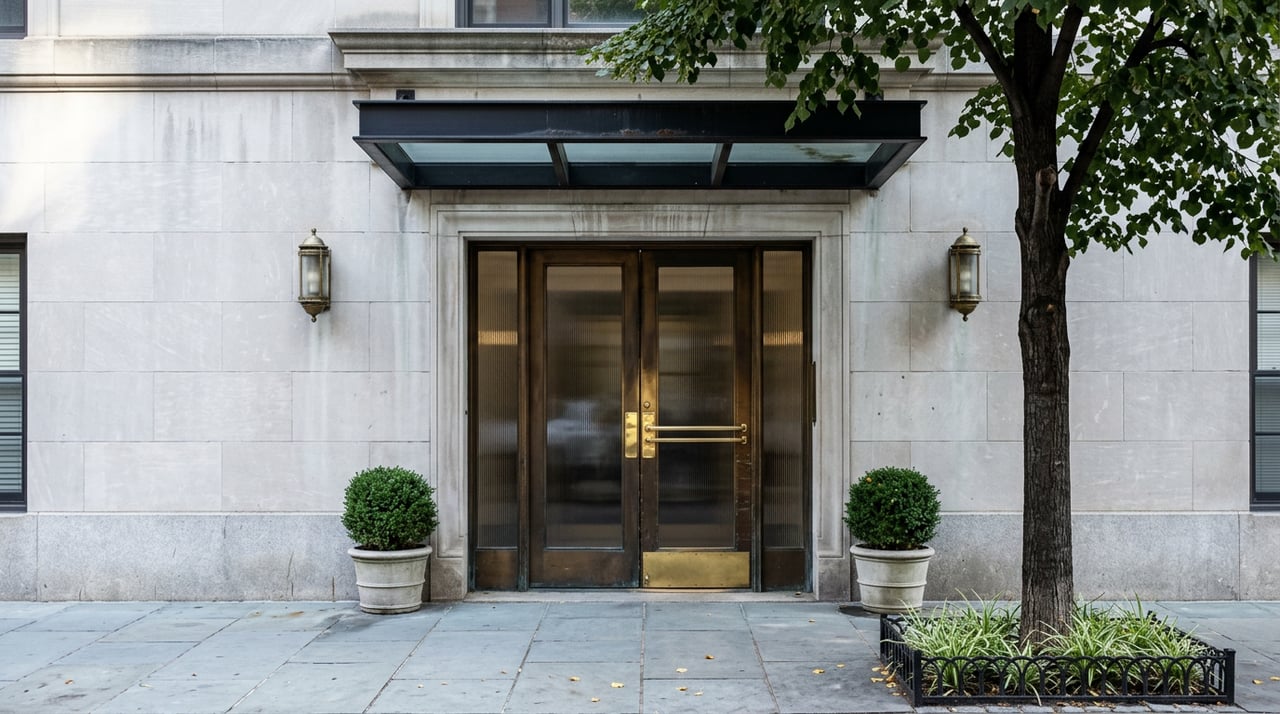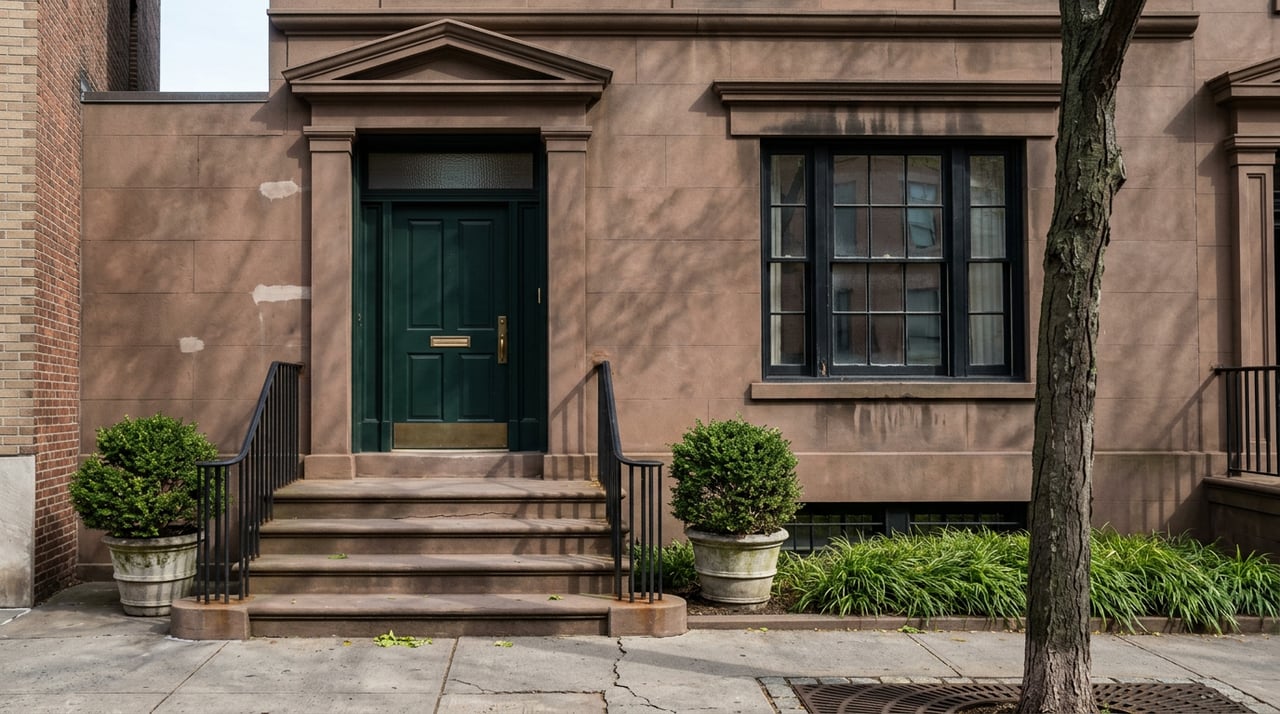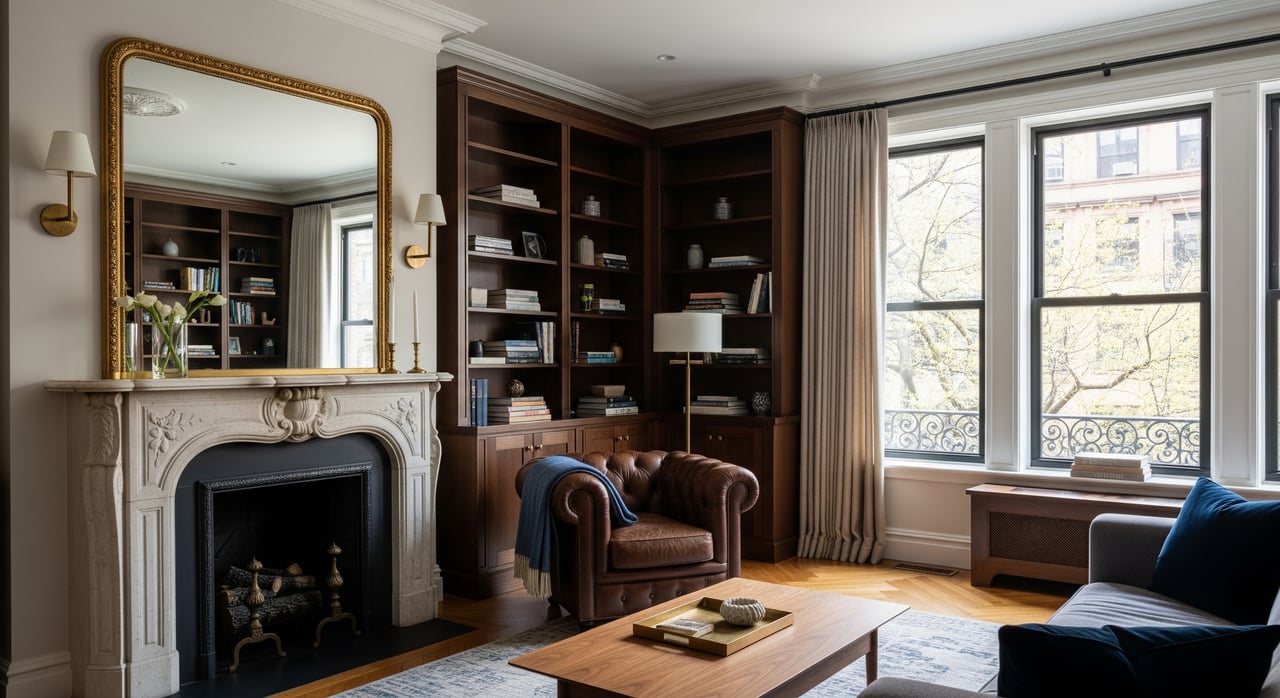
Imagine starting your day on a quiet, tree‑lined block with a stoop all your own. You pour coffee in the parlor, step into your garden to check the herbs, then head to Central Park for a quick loop. If you are dreaming about townhouse life on the Upper East Side, especially in 10021, you want to know what the rhythm actually feels like. In this guide, you will see how daily routines, layouts, costs, and tradeoffs come together in a classic Manhattan townhouse. Let’s dive in.
What 10021 feels like day to day
The Upper East Side stretches from 59th to about 96th Street, east of Central Park. Within 10021, you find calm, stoop-lined blocks set back from the busiest avenues, with museums to the west and boutique retail along Madison and Third. Many residents start mornings in Central Park, whether jogging by the Reservoir, walking a dog, or pushing a stroller to a playground. Coffee runs to a nearby café and early classes at neighborhood fitness studios are common.
Midday often splits between home offices and commutes. You can ride the Lexington Avenue line or the Second Avenue Subway for north‑south access, then use crosstown buses to reach the west side or specific park entrances. Errands tend to be quick and local, thanks to specialty markets, delis, and small grocers, with delivery services filling in gaps.
Evenings bring options. You can head to Museum Mile institutions like The Metropolitan Museum or the Guggenheim, meet friends at a neighborhood spot on Second or Third, or host a dinner in the parlor. Many townhouse owners use roof decks or gardens for relaxed end‑of‑day time outside.
Townhouse layout basics
Most UES townhouses are historic brownstones, limestone rowhouses, or later Beaux‑Arts or neo‑classical designs. You typically enter on a stoop into a parlor floor, with formal rooms for living and dining. Bedrooms sit on upper levels. Kitchens may be on the garden level or parlor level, depending on the renovation. Basements often hold storage, mechanicals, gyms, and sometimes guest rooms.
Townhouses have narrow floor plates and multiple flights of stairs, which shape daily movement. Some properties add an elevator, and some are configured as multi‑family with separate meters and systems. Renovated homes may combine classic details with modern infrastructure.
How the layout shapes routines
Stairs are part of life. Carrying groceries, moving furniture, and managing accessibility for young children or older guests take planning. Many families use child gates and keep daily essentials on each floor. The tradeoff is scale. Parlors support real entertaining, with room for a piano or large art, and circulation that feels more like a private house than an apartment.
Because you control systems, you manage HVAC, laundry, and utilities directly. That gives autonomy and often better comfort but adds responsibilities like scheduling seasonal service.
Private outdoor life
A private garden, courtyard, or roof deck is a defining feature. This space lets you host friends outdoors, garden on your terms, or set up a safe play area for kids and pets. In warm months, you can open doors for cross‑breezes, grill dinners, or create a quiet morning routine outside. Compared with condo amenity terraces, your outdoor space follows your schedule, not a building timetable.
Maintenance and staffing
Owning a townhouse means you handle the whole building. You schedule roof inspections and facade care, maintain the stoop, manage boiler or HVAC service, and plan for plumbing and electrical updates. Many owners keep a regular cadence for key vendors, such as quarterly HVAC service and seasonal roof checks.
Some households hire live‑in or part‑time help, including housekeeping or a nanny, especially in larger single‑family homes. Others prefer a rotating set of trusted contractors and a weekly cleaning service. Your approach can be as hands‑on or supported as you prefer, but it will be your call rather than a board’s.
Townhouse vs condo or co‑op
Ownership structure is a major difference. Most townhouses are fee simple, which means you own the building and the land. Compared with co‑ops, which are corporations with shares and proprietary leases, or condos with common‑interest rules, fee simple typically offers more freedom. You will still follow city regulations, but you do not answer to a board for most everyday choices.
Renovation approvals follow city pathways. Interior work that is structural, and most exterior changes, require permits with the Department of Buildings. If your property sits in a historic district, exterior changes will need Landmarks Preservation Commission approvals, which can extend timelines.
Carrying costs look different. You pay property taxes and take on all maintenance directly. Co‑ops charge monthly maintenance, and condos combine common charges with separate taxes. The math varies by property, so you need a case‑by‑case comparison.
Privacy is the daily standout. No shared hallways or elevator neighbors means more control over noise, deliveries, and hosting.
Commute and transit options
You have solid subway access on the UES. The Lexington Avenue 4/5/6 lines run north‑south, and the Second Avenue Q line adds stations at 72nd, 86th, and 96th Streets. Crosstown buses like the M72, M86, and M79 connect you to the west side and multiple Central Park entrances. Midtown commutes are typically short. Downtown rides can take longer with transfers.
Driving is possible, but on‑street parking is limited and regulated. Many residents rely on paid garages or car services rather than circling for a spot.
Deliveries and services
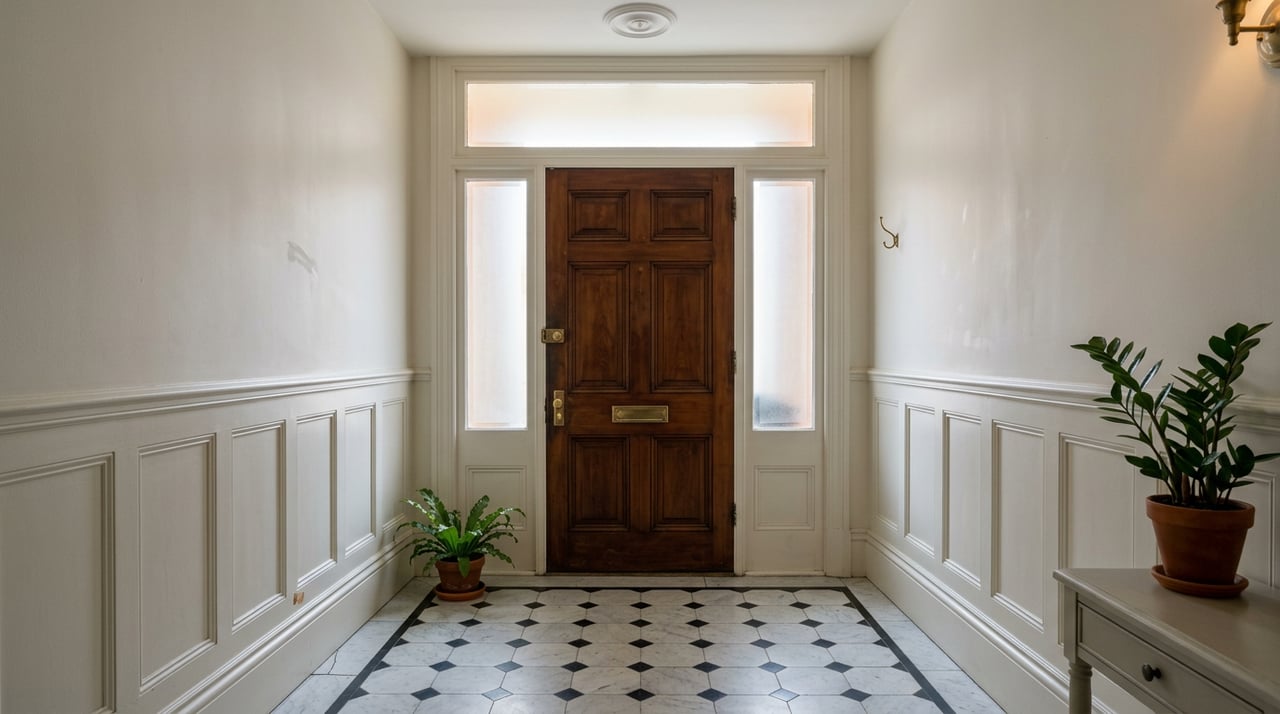
Without a doorman, you set up your own delivery plan. Carriers may leave packages at the stoop, inside a vestibule, or at a basement entry if available. For frequent or high‑value deliveries, clear posted instructions help, and many owners schedule in‑person drop‑offs for important items.
Contractors and service providers will access the house from the street. You manage scheduling, approvals, and any permits. Over time, most owners build a trusted roster for plumbing, electrical, HVAC, facade, and seasonal garden care.
Family routines and schools
Families in 10021 balance a range of school options. The neighborhood includes public elementary schools and well‑known private schools. Public school enrollment follows zoning and lotteries. Private schools require separate applications and often competitive admissions. Many households use after‑school programs, extracurriculars, and private tutors.
Proximity matters day to day. A short walk to school and playgrounds is a core reason families favor townhouse blocks. Stairs are the main practical constraint. Many owners group children’s bedrooms on the same floor and use gates or monitors for peace of mind.
Culture, dining, and parks
Central Park is a daily anchor, from jogging paths around the Reservoir to playgrounds and dog‑friendly routes. Museum Mile brings world‑class art and programming to your doorstep. Madison, Third, and Second Avenues offer a mix of neighborhood bistros, casual spots, and fine dining. Many residents split evenings between local restaurants and hosting at home.
Larger recreational facilities, including options farther east like Asphalt Green, expand choices for leagues, classes, and fitness. Private galleries and small neighborhood venues add variety to weekends.
Costs and budgeting
Townhouse spending is personal to the property, but the structure is consistent. You will plan for direct monthly costs and set aside reserves for bigger items. Compared with a condo or co‑op, you trade shared building fees for hands‑on budgeting and control.
Consider building a simple framework:
- Property taxes and insurance, paid directly by you.
- Utilities and systems, HVAC, hot water, electric, gas, and water.
- Routine service, seasonal roof inspections, HVAC tune‑ups, facade and stoop care, pest prevention, and chimney service if applicable.
- Garden and exterior, plantings, irrigation, lighting, and snow removal.
- Interior refresh, paint, flooring touch‑ups, minor carpentry.
- Capital reserves, roof replacement, boiler or HVAC upgrades, facade work.
When comparing to a co‑op or condo, lay both options side by side:
- Townhouse: property taxes, direct utilities, private maintenance, vendor contracts, reserve fund.
- Condo: common charges, unit taxes, potential assessments.
- Co‑op: monthly maintenance that often includes building taxes, plus potential assessments.
Renovation and approvals
Many UES townhouses are historic, which is part of their appeal. Interior upgrades often require permits with the Department of Buildings, especially for structural work. If your facade is landmarked or the home sits within a historic district, exterior changes need Landmarks approval. That process can lengthen timelines and increase costs, so plan accordingly.
The best results come from teams experienced with Manhattan townhouses. You will benefit from contractors who understand vertical circulation, historic details, and mechanical upgrades, plus architects who know how to navigate permitting.
Is 10021 townhouse life right for you?
If you want privacy, scale, and control, townhouse living fits beautifully. You get multiple floors, a parlor that supports real entertaining, and private outdoor space that becomes part of daily life. You also take on stairs and building stewardship, from mechanicals to facade care.
A quick self‑check can help you decide:
- You value autonomy, fee simple ownership, and fewer internal approvals.
- You plan to use a garden, roof deck, or both, and you like hosting.
- You want proximity to Central Park, Museum Mile, and neighborhood dining.
- You are comfortable managing vendors or hiring staff to help.
- You accept a vertical layout and can plan for accessibility needs.
If this sounds like you, a 10021 Upper East Side townhouse can deliver a daily rhythm that is rare in Manhattan.
Ready for a tailored plan, from renovation and landmark guidance to on‑ and off‑market sourcing? Work one‑on‑one with Tom Wexler for discreet, expert representation.
FAQs
What does a typical UES townhouse morning look like?
- Many owners start with Central Park runs or dog walks, grab coffee at a local café, handle school drop‑off, then return home to meet a contractor or settle into a home office.
How does privacy compare to a co‑op or condo?
- Single‑family townhouses offer more privacy with no shared hallways or elevators, though you may still hear normal city street noise and occasional sounds from attached neighboring homes.
Is a townhouse more expensive than an apartment in 10021?
- Not always. Costs are structured differently, with property taxes and direct maintenance for townhouses versus co‑op maintenance or condo common charges. Compare case by case.
What permits and approvals do UES townhouses need for renovations?
- Interior projects often require Department of Buildings permits, and exterior changes in historic districts need Landmarks approval, which can extend timelines.
How family‑friendly is townhouse living on the Upper East Side?
- Very practical for many families due to park access, school options, and private outdoor space. Stairs and vertical layouts are the main considerations to plan for.
How do deliveries work without a doorman?
- You set clear instructions for carriers, use vestibules or basement entries when available, and schedule in‑person drop‑offs for higher‑value deliveries or frequent packages.