Looking for a townhouse lifestyle that feels calm and private without giving up Midtown convenience? In Sutton Place, you get river views, pocket parks, and a small-village rhythm right on Manhattan’s East Side. If you want tree-lined blocks, classic architecture, and an easy walk to transit and services, this guide is for you. Below, you’ll see what life looks like block by block, plus what to know before you buy. Let’s dive in.
Sutton Place at a glance
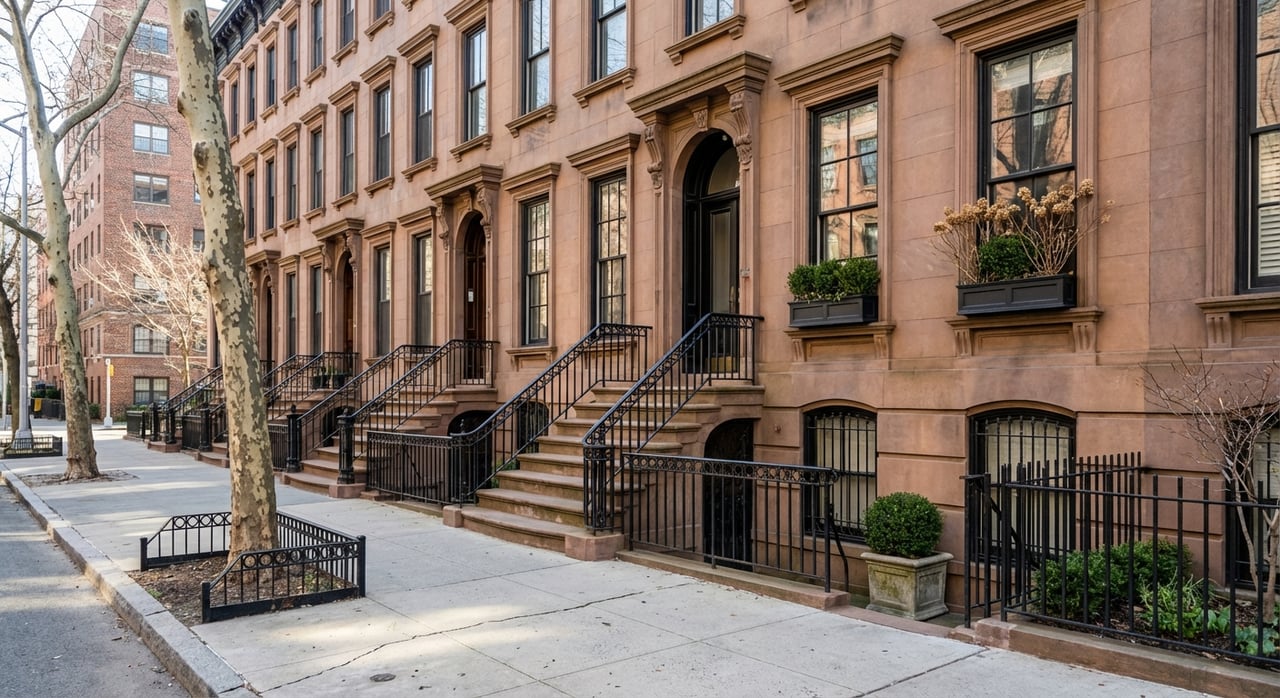
Sutton Place reads like a quiet enclave within Midtown: tight, tree-lined streets, rows of townhouses and discreet co-ops, and low foot traffic that keeps daily life relaxed. Neighborhood profiles often call it a “little village” and note how its pocket parks and river outlooks set it apart from busier corridors nearby. For a feel of that village-like calm and classic streetscape, see how local coverage describes Sutton Place’s quiet character and gardened corners in Park Magazine’s neighborhood feature.
You’ll find Sutton Place concentrated along a short run of river-facing blocks in the mid 50s, framed by sister enclaves like Beekman Place to the south and the Upper East Side to the north. The setting offers cul-de-sacs that face the East River, small plazas at block ends, and views to Roosevelt Island and the Queensboro Bridge. It’s a compact, walkable pocket where you can leave the city noise behind the moment you turn toward the water.
History and preservation highlights
Sutton Place includes a small, federally recognized historic district on the National Register of Historic Places. The Sutton Place Historic District listing documents notable townhouse rows and architectural periods of significance, especially on Sutton Place and Sutton Square. This confirms the architectural pedigree many buyers value.
It’s important to understand what the National Register does for owners. Federal listing recognizes significance, but by itself it does not prevent a private owner from altering or selling a property unless federal funding or permits are involved. For regulatory oversight of exterior work, local landmark designation by the NYC Landmarks Preservation Commission is the key factor. For clarity on the Register’s role, review the National Park Service FAQ, and consult LPC and the State Historic Preservation Office before planning exterior changes.
Block-by-block walk
East 53rd to 55th: pocket parks and garden gates
Start at the quiet cross streets in the low-to-mid 50s. Many of these blocks end in small plazas that open directly to the East River, creating sudden, cinematic views after just a short walk from the avenues. A typical scene includes stone planters, benches, and river overlooks framed by townhouses and well-kept co-ops. On calm mornings, you can watch the light shift over Roosevelt Island with the Queensboro Bridge in the distance. Clara Coffey Park is a local favorite for a brief pause before your day.
East 56th–57th: the new park deck
Between East 56th and 57th Streets, a recent investment changed the daily experience at the river’s edge. In 2019, a public-private partnership opened a new park deck that linked small pocket parks into a connected, publicly accessible space above the F.D.R. Drive. The project added new square footage, created a continuous overlook, and softened the sense of the highway as a barrier. For background on how the neighborhood reclaimed this space and the history behind it, see the City Council press release on the park deck opening.
East 58th–59th: bridge views up close
As you move north, the outlooks widen and the bridge presence grows. You get close, dramatic views of the Queensboro Bridge’s steelwork, yet the side streets remain residential and composed. The rhythm of townhouses and white-glove buildings facing small gardens and cul-de-sacs continues, keeping the riverfront feeling spacious and surprisingly serene for Midtown.
Townhouse living, inside and out
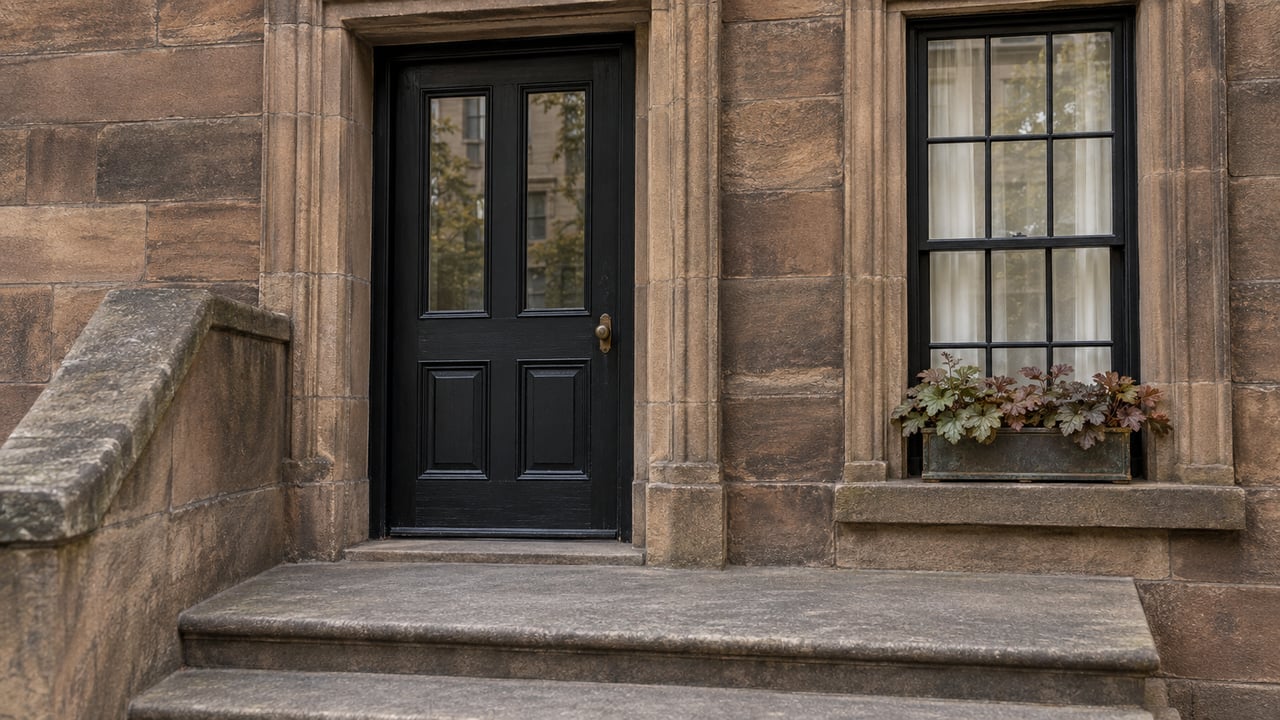
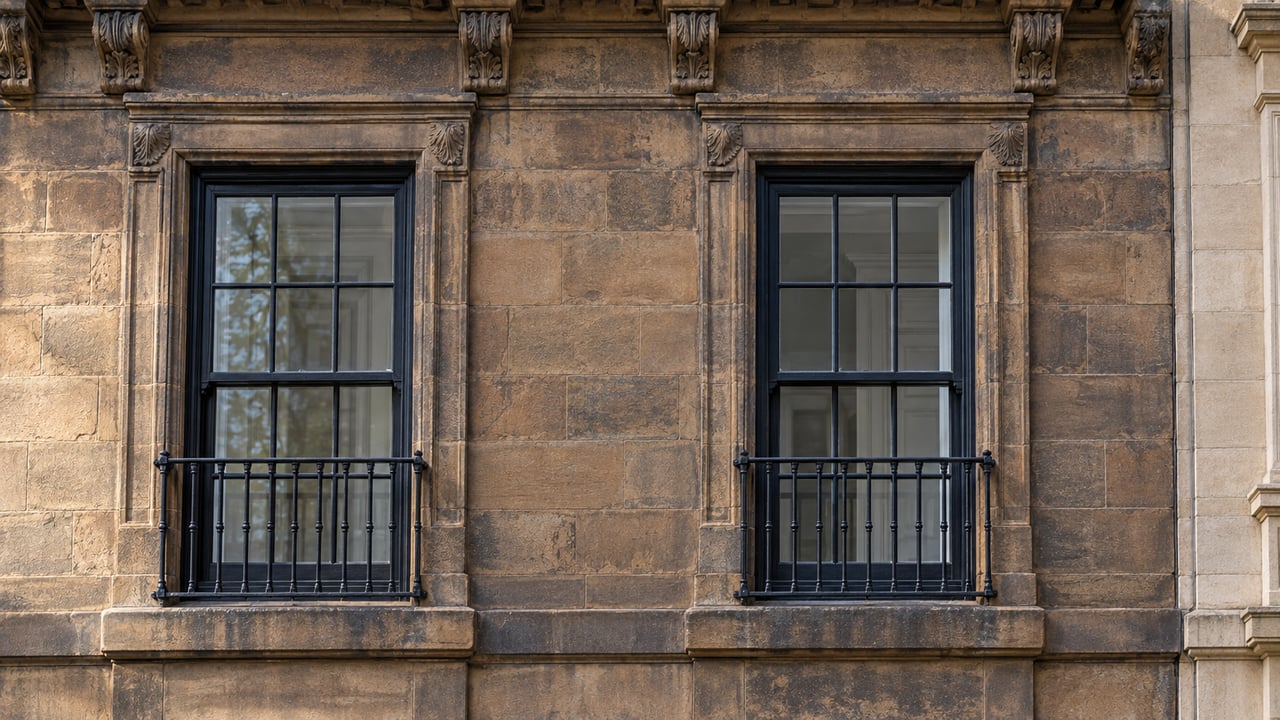
A “Sutton Place townhouse” typically means heritage architecture with modern comfort. Expect multi-story brownstone or neo-Georgian facades, private planted gardens or patios, and period details like paneled libraries and marble mantels. Many homes have been modernized with upgraded mechanicals and, in some cases, elevators.
For design pedigree, consider 11 Sutton Place, long associated with architect I.M. Pei. Building profiles note the home’s architectural character and setting among a distinguished run of houses along the river. For an address-level reference, review CityRealty’s page on 11 Sutton Place, and for a concrete market example, note that I.M. Pei’s townhouse sale was reported at about $8.6 million in 2021, as covered by 6sqft. These are examples rather than market medians, but they illustrate the blend of history and high design you find here.
Parks and public life
Sutton Place’s ribbon of small parks looks and feels cared for because it is. The Sutton Place Parks Conservancy stewards plantings, seasonal displays, and community programming, which helps the river edge read as a series of garden rooms rather than isolated overlooks. For recent projects and event highlights, explore the Conservancy’s archive of park updates. The result is a daily rhythm where you can step out for fresh air, find a bench with a river view, and still be minutes from Midtown services.
Ownership, co-ops, and privacy
Many Sutton Place residences are classic, white-glove co-ops with attentive staff, known for a discreet, house-proud culture and thorough board processes. Townhouses can be fee simple single-family homes, though some addresses also appear within co-op or condominium structures. Your ownership type will shape financing, closing timelines, and governance, so confirm it early in your search.
If you value privacy and quiet routines, the townhouse or townhouse-style duplex with a private entry can be appealing. If you prefer services and shared amenities, a co-op or prewar condominium nearby may fit. The key is to match your household’s day-to-day life with the right property form on the right block.
Getting around and daily needs
You are close to Midtown’s backbone without being in the thick of it. The United Nations campus, a major local landmark, sits a short walk to the southwest; its official address is listed here for reference on the UN’s site. For subways, the Lexington Avenue/51st–53rd Street complex provides access to the east-side and E lines, with other services within a reasonable walk; for line maps and details, see the Lexington Avenue/51st Street station overview.
Day to day, residents lean on nearby Midtown retail along Second and Third Avenues and cultural venues a few blocks west. The mix is practical and convenient: grocers, cafes, and restaurants are close enough for easy errands, but Sutton Place itself stays unhurried.
Buyer checklist for Sutton Place
Use this as a quick guide while you tour.
- Confirm ownership form. Verify whether a townhouse is fee simple or part of a co-op/condo structure; it affects financing, approvals, and closing timelines.
- Review historic status. Check if the property sits within the National Register district, and separately confirm any NYC Landmarks designation that would govern exterior changes. For what the Register does and does not regulate, see the NPS FAQ.
- Walk the block at different times. The F.D.R. Drive runs below portions of the river edge. Where parks are decked, design measures reduce noise and odors, but you should still assess your specific house and garden throughout the day.
- Evaluate flood risk and resilience. Proximity to the East River varies by block and building. Before you buy, check the official maps at FEMA’s Flood Map Service Center and plan for appropriate insurance and mitigation if needed.
- Understand co-op board expectations. If considering a co-op, review application requirements, sublet policies, and closing timelines early.
- Inspect mechanicals and modernization. Many townhouses have updated systems and, sometimes, elevators. Confirm the age and scope of renovations and service stairs for daily practicality.
Market signals and rarity
Townhouses in Sutton Place are limited in number compared to the neighborhood’s co-ops and prewar condos. For buyers, that scarcity, plus the riverfront setting and historic pedigree, tends to support premium pricing at the top end of the market. Rather than focus on a single number, look at specific examples to understand the range. The reported sale of I.M. Pei’s 11 Sutton Place at about $8.6 million in 2021 is a helpful datapoint, but marquee properties can ask much more depending on width, condition, garden exposure, and provenance. Your agent should pull fresh, address-level comps the week you are ready to offer.
Who this neighborhood fits
Sutton Place suits you if you want a refined, low-key rhythm, classic architecture, and daily access to small parks and river views. It works well for buyers who prefer privacy and serenity but still need Midtown proximity. If your wish list includes a private garden, elegant period details, and a calm block with easy transit, you will likely feel at home here.
Ready to explore these streets in person and see how different each block feels? Work with a specialist who understands townhouse nuance, preservation, and the realities of co-ops and conversions. If you want a tailored plan, reach out to Tom Wexler to walk the options, on and off market, and align the right house with your goals.
FAQs
What makes Sutton Place feel quieter than other Midtown areas?
- A compact run of river-facing blocks, cul-de-sacs, and pocket parks creates a calm, residential feel while Midtown amenities sit a few avenues away. Local coverage notes its “little village” character and discreet buildings.
How did the 56th–57th Street riverfront change in 2019?
- A public-private project added a connected park deck above the F.D.R. Drive, linking small pocket parks and creating more public space with continuous river views.
Does the Sutton Place Historic District limit what I can renovate?
- The National Register listing recognizes significance but does not itself regulate private owners unless federal funds or permits are involved. Local NYC Landmarks designation is what governs exterior changes.
Are Sutton Place townhouses usually fee simple?
- Many are, but not all. Some townhouse addresses are part of co-op or condo structures. Confirm ownership on the deed or listing, since it affects financing and closing steps.
Which subways are most convenient to Sutton Place?
- The Lexington Avenue/51st–53rd Street complex is the primary nearby hub for the 4/5/6 and E lines, with additional options at 59th Street. Always check current MTA maps for exact routes.
Should I be concerned about flood risk along the East River?
- Risk varies by block and building. Review the address on FEMA’s official Flood Map Service Center and plan insurance and mitigation accordingly.