If you love the Upper East Side but feel unsure which block is the right fit, you are not alone. From museum-adjacent streets to quiet rows near the East River, each micro-area offers a different rhythm, price point, and set of rules. In this guide, you will learn how Carnegie Hill, Lenox Hill, and Yorkville compare on architecture, parks, schools, and renovation constraints so you can focus your search with confidence. Let’s dive in.
Start with how you want to live
Before you zoom into specific addresses, get clear on your daily needs. Do you want to be a few minutes from Central Park or prefer a local green space along the East River? Is a short walk to a particular school essential? Do you value a side-street setting more than immediate access to shops and crosstown transit on the avenues?
On the Upper East Side, side streets tend to feel more residential, while avenues are busier with services and transportation. If a classic townhouse experience is your goal, prioritize tree-lined side streets and then weigh how far you want to be from the nearest park, school, and subway. Your answers will quickly narrow you to a few specific blocks.
Carnegie Hill: landmark pedigree and quiet blocks
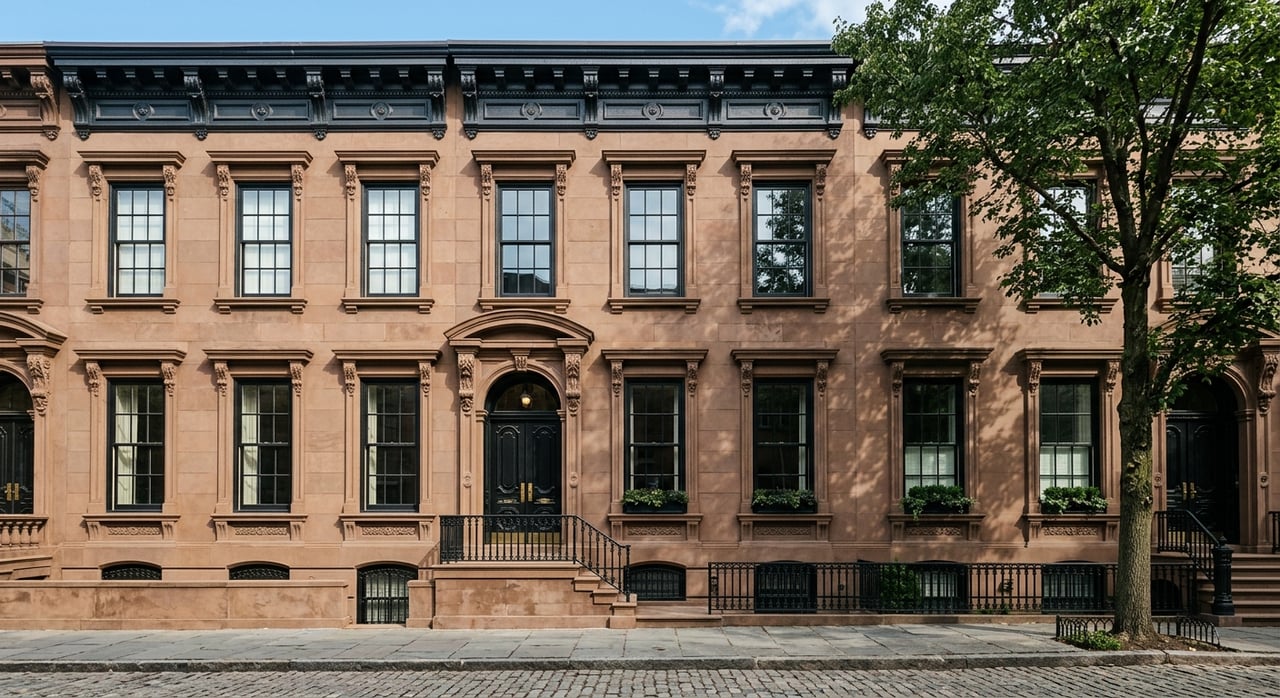
Carnegie Hill, roughly East 86th to 98th between Fifth Avenue and about Madison or Lexington, reads as museum mile plus Gilded Age residential. You will see limestone façades, stately rowhouses, and freestanding mansions that give the area its distinctive character. The streets near Fifth Avenue and major institutions hold unusually high architectural value with limited new construction, which shapes both pricing and renovation timelines. For a quick primer on the area’s character and boundaries, review the Carnegie Hill overview on Wikipedia Carnegie Hill.
For townhouse buyers, the headline is protection. Many blocks sit inside local historic districts, so exterior changes require Landmarks Preservation Commission review. That extra step can lengthen timelines and add cost, but it preserves the block’s fabric and long-term desirability. If you plan to modify a façade, add a bulkhead, or enlarge windows, start by checking whether the address sits inside the Upper East Side Historic District and look at past rulings for similar homes on the block. The Landmarks Commission’s public archive is the best first stop Upper East Side Historic District.
Who it suits: You value architectural pedigree, a quieter pace, and museum access, and you are comfortable navigating LPC review. If you are seeking a single-family restoration with long-term hold value, Carnegie Hill’s protected blocks often reward the patience.
Lenox Hill: central, convenient side streets
Lenox Hill spans the 60s into the mid 70s from Fifth Avenue toward Lexington and Third. Here the avenues feel lively, while the side streets mix luxury apartments with a scattering of townhouses. Proximity to hospitals and the Park and Madison corridor draws buyers who want daily convenience with access to Central Park and Midtown. A neighborhood overview highlights the mix of housing types and amenities you will find block to block Lenox Hill.
For townhouse buyers, many buildings are either renovated single families or multi-family layouts that can be strong conversion candidates. You may trade a bit of width compared with larger Carnegie Hill houses, but you gain shorter walks to services, transit, and medical specialists. If you want a family-friendly side street with strong neighborhood infrastructure, Lenox Hill often hits a sweet spot.
Who it suits: You want a central location, easy transportation, and side-street calm with quick access to shopping, dining, and care providers. You prefer a renovation scope that feels more manageable than a museum-scale mansion.
Yorkville: value by Carl Schurz Park
Yorkville stretches roughly from the upper 70s through the 90s, from Third Avenue to the East River. Historically more middle-class and now more mixed, it has grown more convenient as east-side transit improved. The area’s side streets feel residential, and the eastern edge enjoys Carl Schurz Park, the esplanade, and waterfront views. For a concise neighborhood snapshot, see the Yorkville entry Yorkville.
For townhouse buyers, Yorkville’s side streets can offer relative value compared with Fifth Avenue’s Gold Coast. Many homes are narrower or finished more simply, but the layouts work well for households that prize parks and schools over prestige addresses. If daily time in a local park matters most, put Carl Schurz Park at the center of your map and build your block list from there Carl Schurz Park.
Who it suits: You prioritize green space and schools, like a quieter feel, and want more townhouse for the dollar. Families and downsizers often find Yorkville fits their lifestyle well.
Schools and your search map
Public and private school priorities can shift your map by several blocks. On the public side, P.S. 6 (Lillie Devereaux Blake) is often cited as a high-performing elementary school that draws family buyers across the 60s to 80s. Always confirm the current attendance zone for a specific address before relying on it in your offer plan P.S. 6 profile.
Many buyers also target private schools within a comfortable walk. Examples on the Upper East Side include The Brearley School, The Chapin School, and The Spence School. Admissions policies and public school zoning change over time, so verify details early to avoid surprises later.
Landmark and renovation rules that matter
Large parts of the Upper East Side sit inside local historic districts. That means exterior work, including window changes, façade materials, roofs, and additions, typically requires Landmarks Preservation Commission review. Interiors are generally not governed by LPC, but you will still coordinate with the Department of Buildings on permits and certificates of occupancy.
Two practical steps help you avoid surprises:
- Confirm if the house is inside a district and read the designation report for context. The LPC archive is public and searchable by street and district Upper East Side Historic District.
- Review prior LPC hearings on the same block to see what was approved. Past rulings are strong indicators of what will fly.
This groundwork will shape timelines and budget, particularly on Carnegie Hill’s more protected blocks.
Make sense of prices and comps
Townhouses are a small slice of Manhattan’s market, which makes averages and price per square foot volatile from quarter to quarter. Specialist townhouse reports that track a consistent sample give you the best read. Recent reporting identifies the Upper East Side as one of the more active and higher-priced townhouse submarkets by price per square foot, often sitting in the mid four figures depending on width and condition. Treat any single-quarter number as directional and always pair it with recent comparable sales on the same or adjacent blocks NYC Townhouse Mid-Year 2024.
Individual trades can swing headline figures. High-end single-family homes in the 70s and 80s have reached well into the eight figures in recent years, while narrower east-side blocks show more approachable outcomes in the single-digit millions. Trade press often highlights trophy listings and notable resales, which is useful for context but should not anchor your bid without local comps Upper East Side townhouse re-lists for $68M.
Shortlist blocks by buyer profile
Use these practical buckets to zero in fast:
- Quiet museum-adjacent (Carnegie Hill edge). Target side streets from East 86th to 98th between Fifth and Madison. Expect stricter LPC oversight and exceptional architectural value Carnegie Hill.
- Family-oriented Lenox Hill. Focus on East 63rd to 75th between Park and Third for a mix of townhouses and mid-rise co-ops with strong daily convenience Lenox Hill.
- Value-oriented Yorkville. Look near East End Avenue, Carl Schurz Park, and the side streets off Second and Third for relative value and family amenities Yorkville.
When a block feels right, compare the last 12 to 24 months of sales on that street and the two next streets in each direction. This local lens will tell you more than any borough-wide average.
Due diligence checklist before you bid
Put these steps on your pre-offer list. They will save time and protect your budget.
- Confirm LPC status and past rulings. Check if the block sits in a district and review what has been approved nearby. The LPC archive is public and searchable Upper East Side Historic District.
- Pull property records. Use ACRIS for the deed and mortgage history, and the Department of Buildings systems for permits and open violations. A practical guide explains how to navigate these sources ACRIS and local records primer.
- Check permits and violations. Open DOB or HPD issues can stall a closing or add tens of thousands to your cost. Get a handle on the process early NYC violation lookup guide.
- Study comps and specialist reports. Pull recent sales on the same and adjacent blocks and pair them with a townhouse-specific report for context NYC Townhouse Mid-Year 2024.
- Walk the block at different times. Visit on a weekday at school drop-off, in the evening, and on weekends. Listen for traffic, check lighting, and watch how the block moves.
- Budget for expert inspections. A structural or façade engineer and MEP review are smart adds, especially in older landmarked homes.
Bringing it all together
Choosing the right Upper East Side townhouse block is about matching your life to the street, not just the house. Carnegie Hill rewards patience and preservation-minded buyers. Lenox Hill delivers central convenience on quiet side streets. Yorkville offers relative value and easy access to Carl Schurz Park. Layer in school priorities, confirm landmark rules, and anchor your budget in recent local comps. That approach gives you clarity and confidence when the right house appears.
If you want a tailored block strategy, an apples-to-apples comp set, and guidance through LPC, permits, and inspections, work with a townhouse specialist. Work with Tom Wexler to get a tailor-made plan for your Upper East Side search.
FAQs
How do Carnegie Hill landmark rules affect a townhouse renovation?
- Many Carnegie Hill blocks are inside local historic districts. Exterior changes typically require Landmarks Preservation Commission review, which can lengthen timelines and shape design decisions. Check the LPC archive for block-specific precedents.
What makes Lenox Hill appealing for townhouse buyers?
- Lenox Hill balances side-street calm with central access to transit, services, and medical centers. You will find renovated single families and multi-family layouts that can be good conversion candidates.
Why do Yorkville townhouses often price lower than Fifth Avenue blocks?
- Yorkville’s side streets can offer relative value compared with the Gold Coast near Fifth Avenue. The trade-off is distance from Central Park, but you gain access to Carl Schurz Park and the East River esplanade.
How should I read price-per-square-foot on UES townhouses?
- Treat PPSF as directional. Townhouses are a small, volatile sample, so look at specialist reports and pair them with recent sales on the same and adjacent blocks to set realistic expectations.
Which schools commonly shape Upper East Side block choices?
- Families often map searches around P.S. 6 zoning and walkable proximity to established private schools like Brearley, Chapin, and Spence. Always verify current attendance zones and admissions policies for a specific address.
What records should I review before making an offer?
- Confirm LPC status, pull ACRIS deed history, check DOB and HPD for permits and violations, and hire structural and MEP experts. This due diligence protects your timeline and budget.