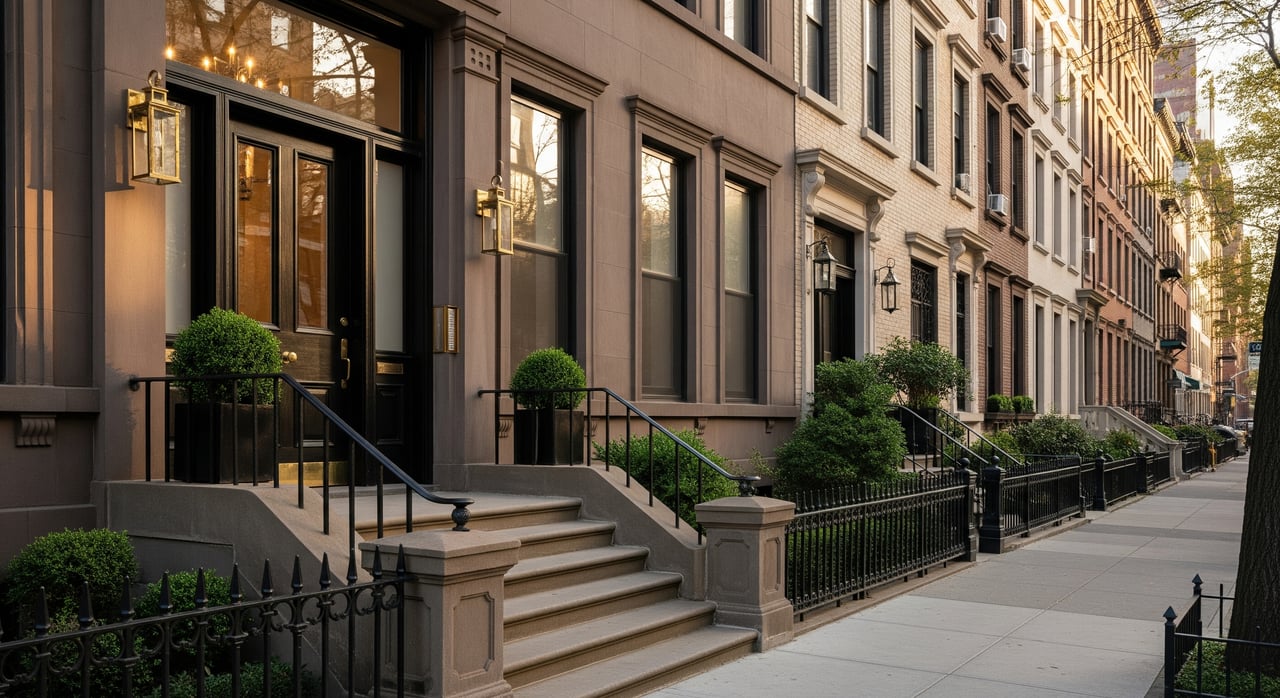
Want a townhouse feel in Midtown East without taking on an entire building? If you love direct street access, multi-level living, and the idea of a small garden or stoop, a maisonette could be the right fit. You will learn what a maisonette is, how it compares to a true townhouse, and the key checks to make before you buy in 10016. Let’s dive in.
What a maisonette is
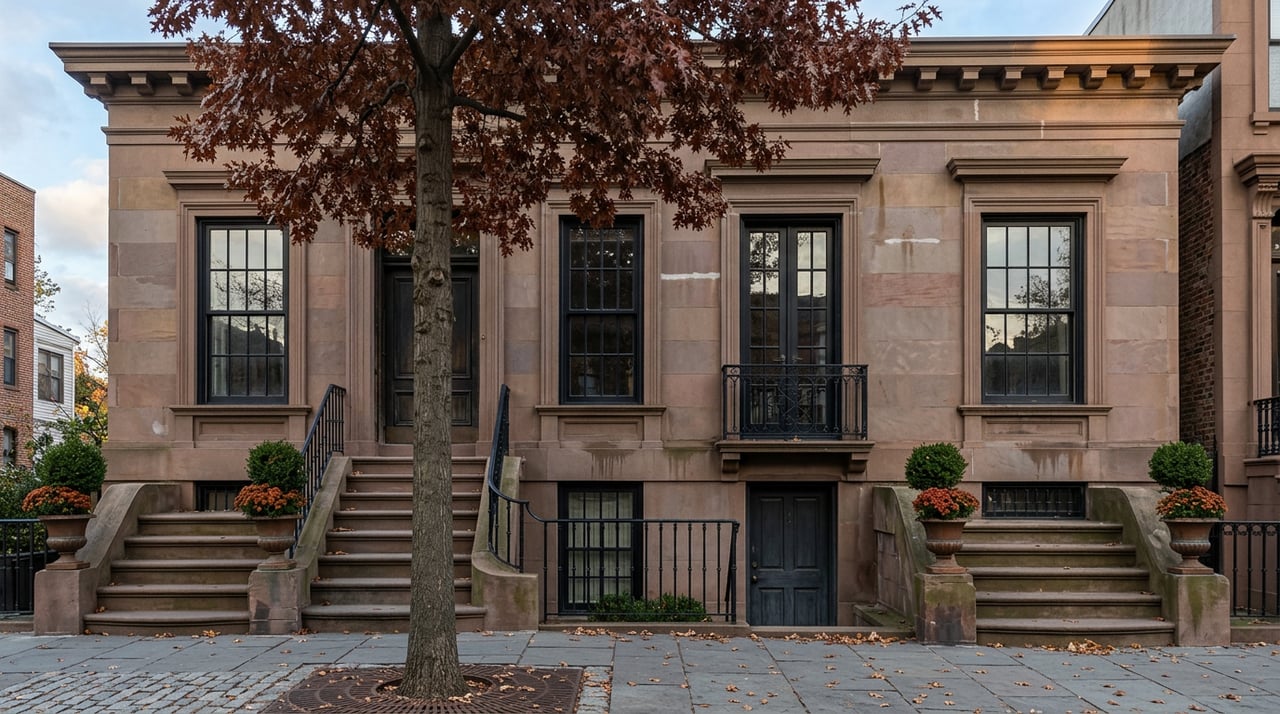
A maisonette is a residence within a larger building that has its own private or semi-private ground-floor entrance and often internal stairs that connect two levels. In Manhattan, the term is used for units that live like a townhouse while still part of a co-op or condo. The private entrance may be deeded, covered by an exclusive-use easement, or granted by building rules. Always confirm exactly what rights come with the door and any outdoor space.
Common layouts in 10016
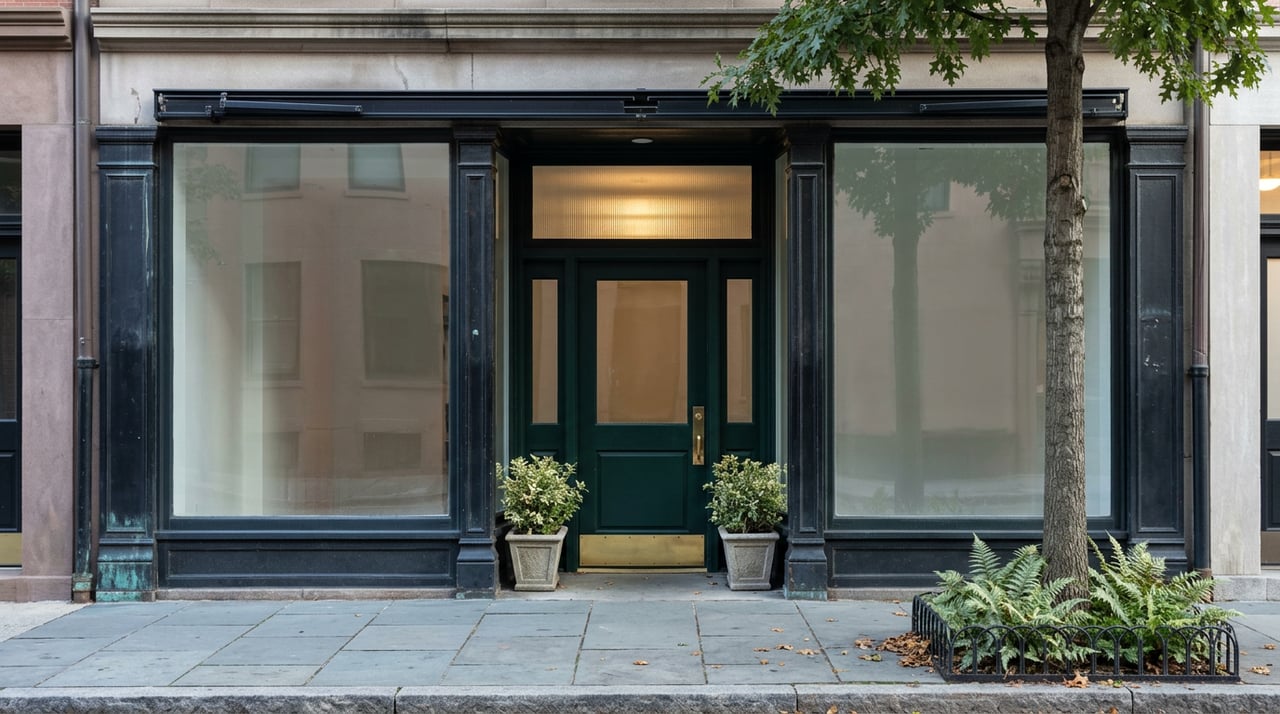
- Street-level single-floor with a private door and sometimes a stoop or small patio.
- Parlor-level duplex with living and dining above and bedrooms on a separate level.
- Garden or cellar-level homes with exclusive outdoor space, which require added attention to moisture and egress.
- Units in both full-service buildings and low- to mid-rise prewar buildings.
Maisonette vs townhouse: key tradeoffs
Maisonettes offer townhouse-like living with building support. You get privacy from a direct street entrance and sometimes building services such as a doorman or shared mechanicals. The tradeoff is less control over the exterior and potentially more street-level noise than a full townhouse.
Privacy and security
- Private entries can feel like a front door to your home and reduce corridor traffic.
- Street-level living can bring more pedestrian activity and noise than higher floors.
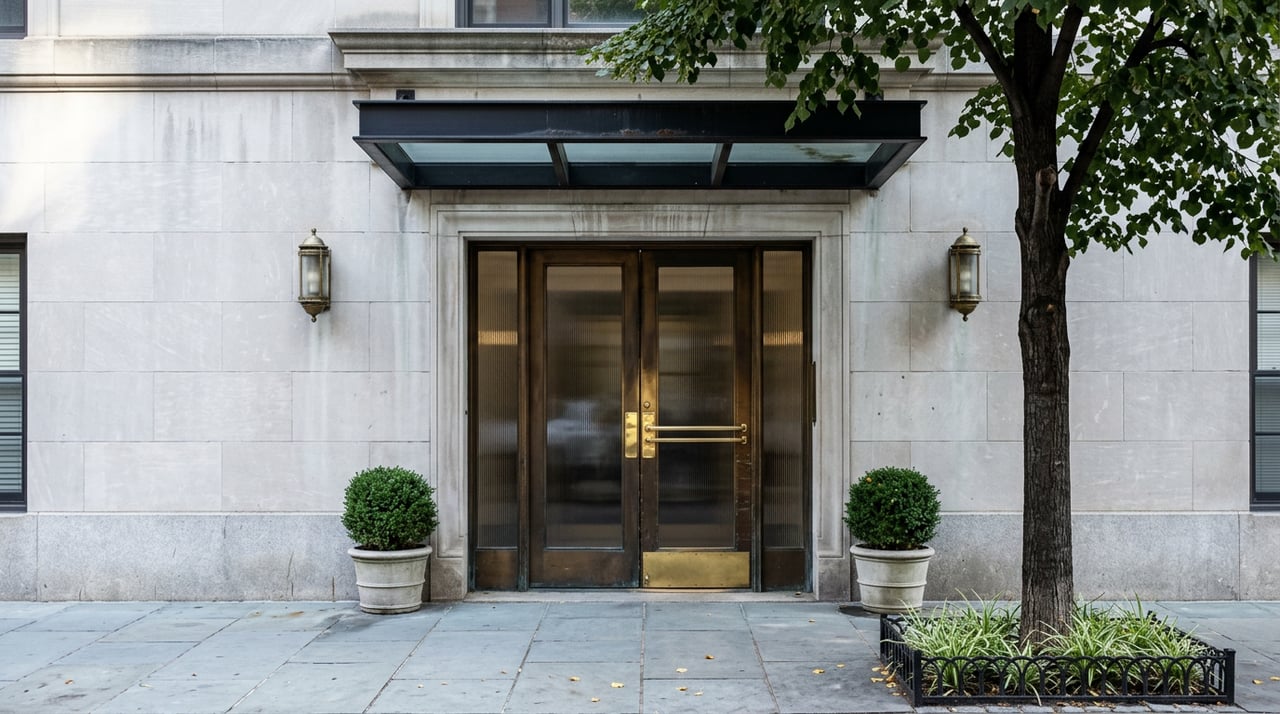
- If the building has a concierge or doorman, you may retain that benefit even with a private door.
Space, light, and outdoor areas
- Townhouses typically provide full vertical ownership and more contiguous space.
- Maisonettes deliver townhouse-like circulation with a smaller footprint and shared walls or ceilings.
- Garden and cellar levels can have lower windows or light wells. Parlor-level duplexes often feature high prewar ceilings.
Exterior control and appearance
- Townhouse owners usually control façade and exterior maintenance, subject to local rules.
- Maisonette exteriors are typically managed by the building, so door or stoop changes require board and possibly city approvals.
Availability and price in Midtown East
True townhouses near Grand Central, Murray Hill, and Turtle Bay are scarce and command high prices due to limited inventory. Maisonettes provide a more attainable way to get a private entry and townhouse feel in this dense submarket. They can trade at a premium over typical floor-through apartments of similar size but are generally below the cost of a standalone townhouse.
Ownership types: condo vs co-op
Maisonettes in 10016 can be part of either a condominium or a cooperative.
- In a condo, you own the unit and an undivided share of common elements. Exclusive-use rights for a door or garden may be deeded or granted by easement.
- In a co-op, you own shares and a proprietary lease. Entrance and outdoor rights are defined in the offering plan, bylaws, house rules, or lease terms.
- For conversions, confirm that the current layout and entrance match the building’s Certificate of Occupancy on file with the city.
Monthly costs and taxes
Condo owners pay monthly common charges and property taxes directly. Co-op shareholders pay a single monthly maintenance that covers building expenses, taxes, and any underlying mortgage. Exclusive-use areas, such as a private entrance or patio, can influence how charges are allocated, and some buildings assess additional amounts for their upkeep.
Financing basics
Financing depends on the building structure. Co-ops often require higher down payments, limit the percentage you can finance, and require board approval of both you and your loan. Condos are generally more flexible, and lenders underwrite the individual unit as well as the building’s financial health. Whether a maisonette is in a co-op or condo affects your options and timeline to close.
Renovations and approvals
In co-ops, interior work usually needs a formal application, architectural plans, licensed contractors, and a deposit. Exterior or structural changes, like altering a stoop or entry, face strict board oversight and city permitting. Condos can be faster for interior changes, but structural, utility, and exclusive-use areas still require board sign-off and permits. Any work that touches egress, plumbing, structure, or HVAC likely needs Department of Buildings permits and licensed trades, and garden-level work often requires waterproofing considerations.
Due diligence checklist
Use this checklist to protect your purchase:
Title and legal rights
- Confirm whether you are buying a condo deed or co-op shares with a proprietary lease.
- Verify the status of the private entrance and any outdoor space. Is it deeded, an exclusive-use easement, or a right under building rules?
- Review the Certificate of Occupancy and filed floor plans to ensure the layout and entrance are permitted.
Building and physical inspections
- Inspect for dampness, waterproofing, and any flood or water intrusion history, especially in garden or cellar levels.
- Evaluate sound transmission through ceilings, floors, and party walls.
- Confirm how heating, AC, and hot water are provided and whether systems are individual or central.
- Verify code-compliant egress and current fire-protection systems.
- Check ventilation and any light-well conditions for mold or pest risks.
Board and building review
- For co-ops, review application procedures, sublet policy, renovation rules, and any assessments or capital projects.
- For condos, review bylaws, reserves or reserve studies, litigation, and assessment history.
- Clarify maintenance responsibilities for any stoop or patio tied to the unit.
Lifestyle considerations near Grand Central
Street-level living means easy access for strollers, pets, and deliveries. It can also mean more foot traffic or restaurant activity outside your door, depending on the block. Confirm how your private entrance integrates with building security, and plan furniture deliveries if bedrooms sit on an upper maisonette level without direct elevator access.
How to search and read listings
Use keywords like “maisonette,” “private entrance,” “parlor floor,” “garden duplex,” and “exclusive-use patio.” Look for photos showing a direct door to the street, a small stoop, or a fenced garden. Always ask the listing agent to confirm whether the private entrance or outdoor area is deeded or exclusive-use, and request supporting documents.
Local professionals and documents
You will benefit from a team familiar with Manhattan’s rules and buildings:
- Real estate attorney experienced with co-ops and condos.
- Architect or structural engineer who understands foundation and garden-level work.
- Licensed contractor with New York City permitting experience.
- Mortgage broker who underwrites co-ops and condos regularly.
Essential documents include the offering plan, bylaws or proprietary lease, building financials, board or unit owner meeting minutes, recent assessment history, and Department of Buildings filings and permits.
Next steps
If a maisonette in 10016 is on your radar, walk the block at different times of day to gauge noise and foot traffic. Review building documents side by side with your attorney and confirm the legal status of the entrance and any outdoor space. Have your inspector focus on moisture, egress, mechanicals, and sound transmission. With the right due diligence, a maisonette can deliver the townhouse feel you want, right where you need to be.
If you want tailored guidance on private-entry living and access to townhouses and maisonettes across Midtown East, reach out to Tom Wexler for senior-broker representation and a plan that fits your goals.
FAQs
What is a Midtown East maisonette and how is it defined?
- A maisonette is a multi-room residence within a larger building that has a private or semi-private street-level entrance and often internal stairs connecting two levels.
How do maisonettes in 10016 compare to true townhouses?
- They offer a townhouse-like entrance and circulation while keeping building services, but you give up full exterior control and may experience more street-level noise.
Are co-op maisonettes in Midtown East harder to renovate than condos?
- Co-ops typically require more extensive approvals and can be slower for interior changes, while condos are often more flexible though still subject to building rules and permits.
Do garden-level maisonettes have higher moisture or flood risk?
- Garden and cellar units need careful inspection for waterproofing and past water intrusion, and insurance requirements can differ from upper-floor apartments.
How do private entrances affect monthly costs or fees?
- Exclusive-use doors, stoops, or patios can change how common charges or maintenance are allocated, and buildings may assess additional amounts for their upkeep.
What documents should I review before making an offer on a maisonette?
- Obtain the offering plan, bylaws or proprietary lease, meeting minutes, building financials, assessment history, Certificate of Occupancy, and Department of Buildings filings.
Will a co-op maisonette take longer to close than a condo?
- Co-op purchases often take longer due to board approval and financing restrictions, while condo timelines are typically more flexible depending on building review and lender speed.