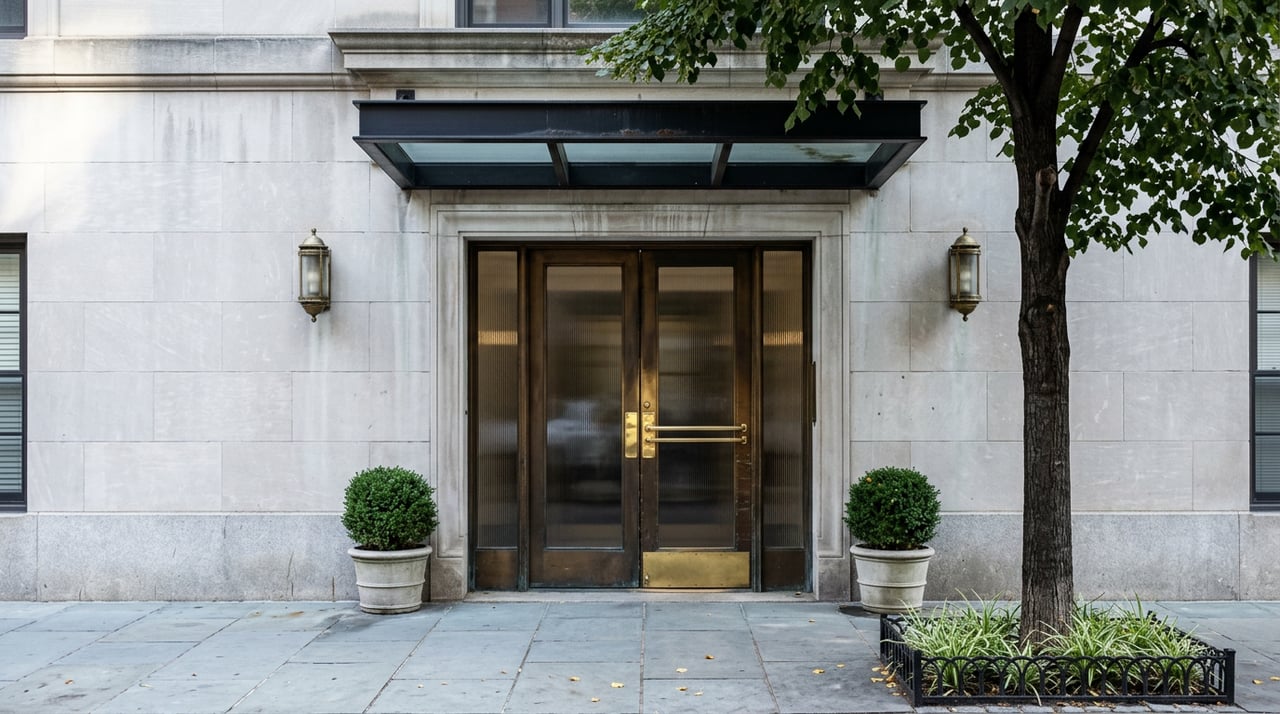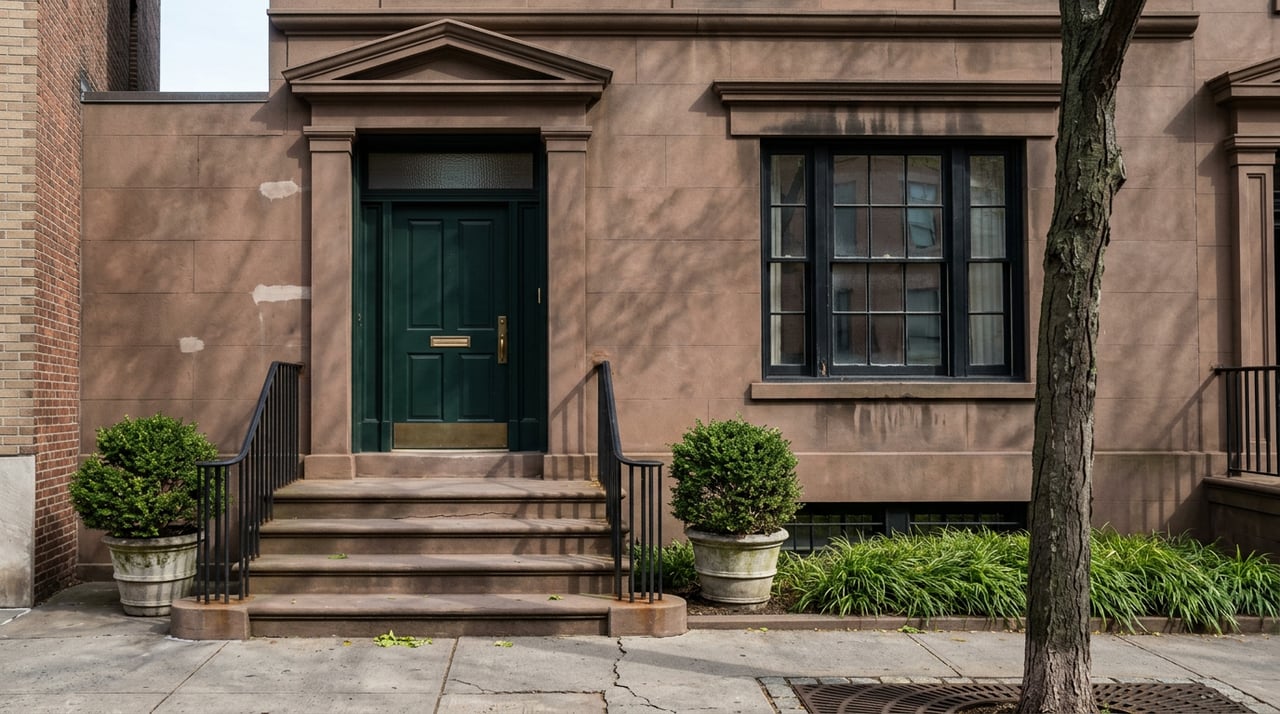
If you own a Sutton Place townhouse, you are not selling a typical Manhattan property. In this small, highly defined enclave, supply is thin, buyer pools are selective, and your choice of selling strategy can shape both price and privacy. The real question is not whether one path is universally better, but which path best fits your goals. Let’s dive in.
Why Sutton Place calls for a different approach
Sutton Place is unusually small and unusually specific. New York City planning materials describe the Sutton Place Historic District as a compact, State and National Register-listed district with just 12 contributing buildings plus the shared Sutton Place garden, bounded by Sutton Place, East 58th Street, the FDR Drive, and East 57th Street.
That matters because townhouse turnover here is naturally limited. Recent neighborhood sales data showed 37 closed transactions in March 2026, made up of 29 co-op sales, 8 condo sales, and 0 house sales. In other words, most of the local market activity does not directly reflect the single-family townhouse segment.
Active inventory tells a similar story. Townhome search pages for Sutton Place showed only one or two live listings at the time of reporting. For a seller, that means you are marketing into a narrow and highly selective buyer pool, not a broad commodity market.
What a quiet sale means in NYC
In New York City, a quiet sale is not just a matter of avoiding public websites. It also has to align with REBNY Residential Listing Service rules.
REBNY states that if an exclusive listing is publicly disseminated or shown to any buyer, it must be entered into the RLS. Seller-control options such as Participant Only, Owner Opt Out, and Coming Soon can limit or delay public exposure, and those statuses do not accrue days on market.
That distinction is important if discretion is one of your top priorities. A true quiet strategy is usually a targeted process, with controlled outreach to qualified buyers or brokers rather than a broad public marketing campaign.
When a quiet sale makes sense
A quiet sale is usually the better fit when privacy matters more than maximum exposure. That can apply in estate situations, family-sensitive transitions, occupied homes, or cases where you simply do not want your property widely visible during the early stages of the sale.
It can also make sense if your townhouse is still being prepared. If improvements are underway, or if you want to refine the pricing story before going fully public, a limited launch can give you room to test interest without starting the public clock.
In Sutton Place, this approach can be especially logical. Because the neighborhood is small and townhouse opportunities are rare, preserving control while quietly checking demand may be a smart first move.
The advantages of staying quiet
A discreet launch can offer several meaningful benefits:
- More privacy for you, your family, and the home
- Tighter control over who sees the property and when
- Cleaner market optics because certain private statuses do not accrue days on market
- Flexibility if you want to adjust pricing or presentation before a public debut
- Targeted outreach to buyers already known to be active in the townhouse market
For many Sutton Place owners, that last point matters most. In a niche market, a carefully curated buyer map can be more effective than broad exposure, at least at the start.
The risks of a quiet sale
A private strategy also has limits. The biggest one is reach.
If you keep the property quiet, you may miss buyers who only emerge once a townhouse is fully marketed across the RLS and consumer-facing platforms. That can reduce competitive tension, which may affect pricing if more than one serious buyer would have responded to wider exposure.
A quiet launch can preserve leverage, but it can also narrow the field too much. In a market with shallow inventory, that tradeoff needs to be considered carefully.
When a public listing is the stronger move
A full public launch is usually the better strategy when your top goal is price discovery. If you want the market to validate your asking price, attract the widest possible pool of qualified buyers, and create competition, broader exposure is often the more effective path.
Recent Manhattan townhouse data support that case. In the first half of 2025, townhouse transactions rose 11 percent year over year to 151 sales, while average sale price fell 18 percent to $6.3 million and average price per square foot declined 6 percent to $1,245. In the third quarter of 2025, sales rose 23 percent year over year to 253, while average sale price fell 14 percent to $6.9 million.
That combination suggests an active but value-conscious market. Buyers are still engaging, but they are selective. For a turnkey, architecturally distinctive, or easy-to-understand Sutton Place townhouse, public exposure may be the best way to reach the right buyer quickly.
What broader Manhattan data suggest
Broader Manhattan market conditions point in the same direction. In the fourth quarter of 2025, closings rose 3 percent year over year, signed contracts increased for the seventh straight quarter, listed supply sat a little above 6,100 homes, and average days on market fell to 108.
That does not mean every listing will perform equally well. It does mean well-priced, well-presented homes have been moving more efficiently. If your townhouse is show-ready and your pricing is grounded in current market reality, a public launch can harness that momentum.
The tradeoffs of going public
A public listing gives you broader reach, but it also reduces privacy. Once a listing is publicly syndicated, days on market become visible, and any later price adjustment becomes part of the public record.
For that reason, first impressions matter. In a niche townhouse market, your initial pricing, photography, floor plans, and launch timing need to be right.
If the asking price overshoots the market, public exposure can work against you. If the pricing and presentation are disciplined, a public launch can strengthen your position and widen your buyer pool.
How a specialist broker plans each path
A quiet strategy and a public strategy require different execution. The right broker does not simply pick one and hope for the best.
For a quiet sale, the process usually starts with a tight valuation range, a clear buyer map, and a confidentiality plan. Showings are limited to qualified prospects, and the seller decides whether to remain fully private, use Owner Opt Out, or begin with Coming Soon before making a broader decision.
For a public sale, the focus shifts to presentation and narrative. That often means professional photography, floor plans, decluttering or staging, and a pricing strategy built around recent townhouse comparables and current buyer behavior.
In both cases, compliance matters. REBNY rules require public and RLS updates to stay aligned once a listing is disseminated, so the transition from private to public should be planned from the start.
Landmark and historic district issues matter too
In Sutton Place, historic context is not just background color. It can affect how buyers evaluate the property.
If your townhouse is landmarked or located within a historic district, the Landmarks Preservation Commission must approve alterations, reconstruction, demolition, or new construction affecting designated landmarks or historic districts. That does not prevent a sale, but it can shape buyer expectations around renovation potential, exterior changes, and project timing.
This is one reason townhouse specialization matters. Buyers often need clear, factual guidance on what is possible, what may require approvals, and how those issues can affect value.
A hybrid strategy may be best
For many Sutton Place sellers, the smartest answer is not fully quiet or fully public at the outset. It is a short, disciplined hybrid.
A private or Coming Soon phase can help test buyer response while preserving discretion and protecting market optics. If the right buyer does not emerge quickly, you can then move to a broader public launch with a stronger sense of pricing and positioning.
That said, the first public exposure is still the meaningful one. Under REBNY rules, days on market reset only after a closing or after a listing has been off market for 90 consecutive days, so your public debut should be handled with care.
How to decide which path fits your townhouse
If you are weighing the two strategies, start with your priorities. Ask yourself what matters most:
- Privacy or maximum exposure?
- Control or broad price discovery?
- Testing the waters or launching decisively?
- A known buyer path or the widest possible competition?
- Current occupancy and sensitivity or full show-ready presentation?
In Sutton Place, there is rarely a one-size-fits-all answer. The neighborhood’s shallow townhouse supply and highly specific buyer pool mean strategy should be tailored to your property, your timing, and your comfort level.
A discreet sale can be the right move when privacy leads. A public launch can be the right move when the goal is to maximize competition and let the market speak. The key is matching the plan to the asset.
If you are considering selling a Sutton Place townhouse, a tailored plan matters more here than almost anywhere else in Manhattan. Tom Wexler can help you weigh discretion, pricing, landmark considerations, and launch strategy to build the right path for your property.
FAQs
Should you sell a Sutton Place townhouse off-market first?
- A private first phase can make sense if privacy, occupancy, or sensitivity is a top concern, especially in a niche market with limited townhouse inventory.
What does a quiet sale mean for a Sutton Place townhouse in NYC?
- In NYC, a quiet sale usually means limited, controlled exposure through REBNY-compliant options such as Participant Only, Owner Opt Out, or Coming Soon, rather than broad public marketing.
When is a public listing better for a Sutton Place townhouse seller?
- A public listing is usually stronger when you want broader exposure, more buyer competition, and clearer price discovery for a well-prepared property.
Do days on market matter for a Sutton Place townhouse sale?
- Yes. Under current REBNY rules, certain private statuses do not accrue days on market, while a publicly syndicated listing starts the visible clock.
Do landmark rules affect selling a Sutton Place townhouse?
- They can. If the property is landmarked or in a historic district, buyers may need clarity about approval requirements for exterior work, alterations, or future renovation plans.