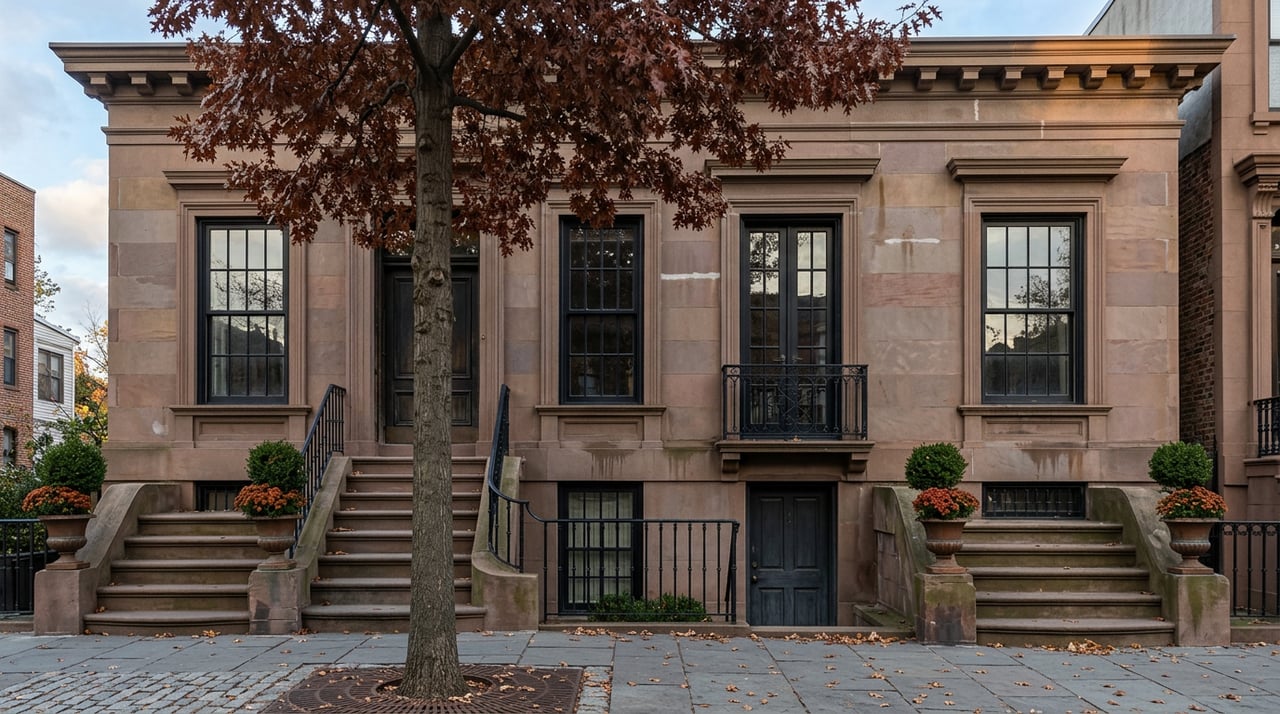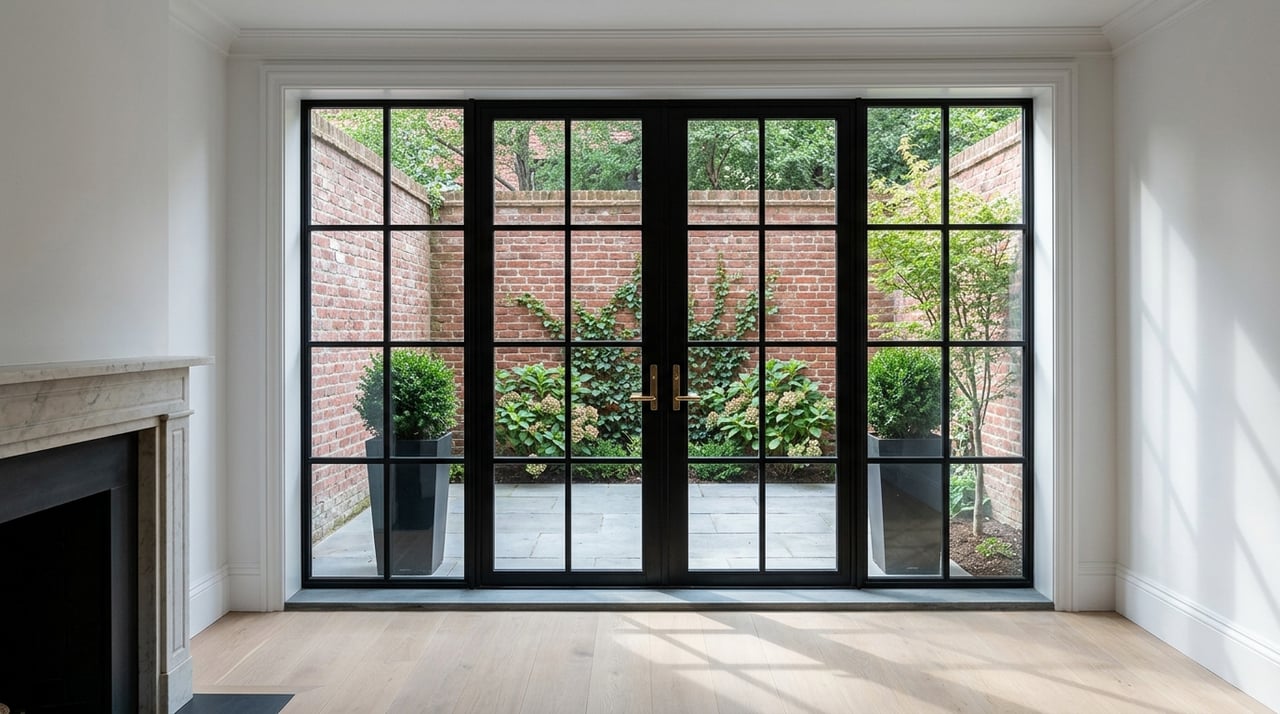
If you own a Murray Hill townhouse or small building, the biggest upside often does not come from flashy upgrades or squeezing in questionable extra space. In this part of Manhattan, buyers and investors usually pay more for a property that feels clear, legal, and easy to understand. If you are thinking about repositioning before a sale, refinance, or long-term hold, the right plan can protect value and reduce avoidable risk. Let’s dive in.
Why Murray Hill repositioning is different
Murray Hill sits in a very specific Manhattan niche. It blends low-rise townhouse blocks, small walk-ups, and larger residential buildings, with strong access to Midtown, Union Square, and Grand Central. According to StreetEasy’s Murray Hill neighborhood data, the area currently shows a median sale price of $675,000, a median base rent of $4,595, and median days on market of 61.
That local context matters. In the broader Manhattan market, StreetEasy’s referenced market data points to meaningfully higher condo pricing than what many Murray Hill assets would support. In practical terms, that means you are often better served by creating a property that is easy to finance, easy to market, and easy to underwrite rather than overbuilding for a price point the submarket may not fully reward.
Start with the legal reality
Before you sketch new layouts or price a future sale, you need to confirm what the building is legally today. In New York City, changes to use, occupancy, or layout are not just design decisions. The NYC Department of Buildings explains that alterations can require permits, licensed design professionals, and a new or amended Certificate of Occupancy.
That is especially important for townhouses and small buildings that have been changed over time. If your property predates 1938, it may not have a Certificate of Occupancy at all, which is not unusual. But if later work changed occupancy, egress, or use, you may need an amended CO or a Letter of No Objection before a buyer, lender, or attorney is comfortable.
Focus on unit mix first
For many Murray Hill owners, the most valuable repositioning move is not cosmetic. It is fixing the unit configuration so the property makes immediate sense to the next buyer.
That could mean reducing friction in the layout, clarifying how many legal units exist, or aligning floor plans with the most likely buyer pool. A building with a rational, documented setup is generally easier to finance and easier to sell than one with a confusing patchwork of old alterations and informal spaces.
In a sale process, that clarity helps in three ways:
- It reduces diligence surprises
- It supports cleaner underwriting
- It broadens the buyer pool
For townhouse and small-building owners, that is often where the real premium comes from.
Avoid illegal density shortcuts
It can be tempting to create more income or more square footage by splitting units or finishing lower-level or attic areas as living space. But in New York City, that shortcut can be costly.
The DOB’s guidance on illegal conversions is clear that unauthorized basement, attic, garage, or apartment-split living arrangements can trigger violations, stop-work orders, and even vacate orders. If your goal is a future sale, undocumented space often makes the asset harder, not easier, to monetize.
In other words, the fastest path is not always the highest-value path. In Murray Hill, a buyer is often more willing to pay for a property with permitted improvements and a straightforward story than for one with extra but legally uncertain square footage.
Upgrade systems buyers actually underwrite
Many owners overestimate the value of decorative work and underestimate the value of operating simplicity. In small Manhattan buildings, buyers tend to notice deferred maintenance quickly and price it into their offers.
That is why common-area and systems upgrades often carry more weight than expected. Improvements to entry presentation, lighting, hallways, windows, roof condition, plumbing, electrical service, and mechanical reliability can make a property feel far less risky.
These upgrades do not need to feel flashy. They need to signal that the building has been cared for and that the next owner is not inheriting hidden problems.
Occupied buildings need a lease strategy
If your building is tenant-occupied, the repositioning plan cannot be just architectural. It also needs to account for lease timing, possession, and tenant status.
The New York Attorney General’s guidance on condo and co-op conversions notes that sponsors converting rental buildings must provide the red herring offering plan to tenants of record. It also notes that rent-stabilized tenants retain separate protections. That means a building’s occupancy profile can directly affect whether a conversion, sale, or phased repositioning is realistic.
For sellers, this usually leads to three practical marketing lanes:
- Vacant or near-vacant sale with maximum flexibility for the next owner
- Partially occupied sale where buyer profile and pricing must reflect existing tenancy
- Conversion-oriented strategy where legal, leasing, and design teams work together early
The less uncertainty around possession and tenant rights, the easier it usually is to present the property clearly to the market.
Know whether conversion is realistic
Condo conversion can be a compelling repositioning path for a small building, but only when the basics are already in place. You need a coherent legal unit count, marketable layouts, and a tenant picture that can be documented and managed.
Again, the New York Attorney General oversees condo and co-op conversion offerings, and that process is regulated. This is not something to treat as a branding exercise or a late-stage marketing decision. It needs to be evaluated early, with counsel, design professionals, and brokerage strategy aligned from the start.
For many Murray Hill properties, the best answer is not always full conversion. Sometimes the higher-net approach is a cleaner hold-and-improve sale that lets the next owner choose the final structure.
Check landmark and historic rules early
Exterior plans can change quickly if the building falls within a protected district. The Landmarks Preservation Commission states that designated landmarks and properties in historic districts require LPC approval before alterations, reconstruction, demolition, or new construction affecting the building.
That matters in Murray Hill because the LPC map includes the Murray Hill Historic District around East 35th to East 39th Streets near Park and Lexington. Before planning façade work, enlargements, or visible exterior changes, you should confirm whether your lot is designated or within a historic district.
This step can save time, money, and design revisions. It also helps set realistic expectations for scope and timeline.
Policy tailwinds are helpful, not automatic
There is a broader pro-housing backdrop around Midtown-adjacent Manhattan. The New York City Council announced approval of the Midtown South Mixed-Use Plan, and the City of Yes for Housing Opportunity has introduced citywide zoning changes.
That wider policy environment may support investor confidence in adaptive reuse and conversion thinking. But it does not automatically change what is legal on your lot. For owners in Murray Hill, parcel-specific diligence still comes first.
Do the tax math before you choose a strategy
A smart repositioning plan is not just about design and construction. It is also about what you actually keep after taxes and closing costs.
New York City’s real property transfer tax rules generally apply to transfers over $25,000. For residential transfers, the city rate is 1 percent at $500,000 or less and 1.425 percent above $500,000. New York State’s mansion tax can also apply when residential consideration is $1 million or more.
If the property is held for investment or business use, federal planning may add more options. The IRS explains in Publication 544 that like-kind exchange treatment applies to real property held for investment or productive use in a trade or business, but not to property used purely for personal purposes. The same publication also notes that depreciation affects basis and that depreciation-related recapture can affect how gain is taxed.
If you are considering seller financing or a deferred payout, the IRS also outlines installment sale treatment in Publication 537. That can help spread gain recognition over time when a transaction qualifies. For mixed-use townhouses, business and personal portions should be analyzed separately.
A practical due diligence checklist
Before you invest in repositioning or go to market, verify the basics. These are often the issues that shape pricing, timeline, and buyer confidence:
- Whether the property is individually landmarked or in a historic district
- Whether there is a current Certificate of Occupancy, an amended CO, or a Letter of No Objection
- The legal unit count today
- Whether any alterations are open, unfiled, or unresolved
- Whether there are DOB violations or stop-work orders
- Whether any tenants are rent-stabilized, market-rate, or otherwise protected
- Whether a sale, conversion, or tax-planned exit is actually the best net outcome
This is where experienced guidance matters. In townhouse and small-building sales, value is often created before the listing goes live, when the property’s legal story, physical condition, and sale strategy are aligned.
The best repositioning plan is usually the clearest one
For a Murray Hill townhouse or small building, repositioning is rarely about doing the most work. It is about doing the right work in the right order. A cleaner legal setup, a more logical unit mix, reliable systems, and a well-framed marketing story can do more for value than speculative changes that create questions later.
If you are weighing whether to renovate, reconfigure, convert, or sell as-is, a tailored plan can help you see which path offers the strongest net result with the least friction. If you want a senior-broker perspective on how to position your property, connect with Tom Wexler.
FAQs
What does repositioning a Murray Hill townhouse usually mean?
- Repositioning a Murray Hill townhouse usually means improving legal clarity, unit mix, building systems, presentation, and sale strategy so the property is easier to market and underwrite.
What should you verify before changing unit layouts in Murray Hill?
- Before changing unit layouts in Murray Hill, you should verify the current legal occupancy, Certificate of Occupancy status, permit requirements, and whether an amended filing is needed with the NYC Department of Buildings.
Why are illegal conversions risky for a Murray Hill small building?
- Illegal conversions are risky for a Murray Hill small building because unauthorized living space can lead to violations, stop-work orders, vacate orders, and a harder sale process.
How do tenant issues affect repositioning a Murray Hill property?
- Tenant issues affect repositioning because lease status, possession rights, and any rent-stabilization protections can shape whether the building is best marketed as occupied, partially vacant, vacant, or conversion-ready.
Do historic district rules matter for Murray Hill exterior work?
- Historic district rules matter if the property is landmarked or located within a protected district, because exterior alterations may require advance approval from the Landmarks Preservation Commission.
What taxes should you consider before selling a Murray Hill townhouse or small building?
- Before selling, you should consider New York City transfer tax, New York State mansion tax where applicable, and possible federal tax planning issues such as basis, depreciation recapture, like-kind exchange eligibility, or installment sale treatment.