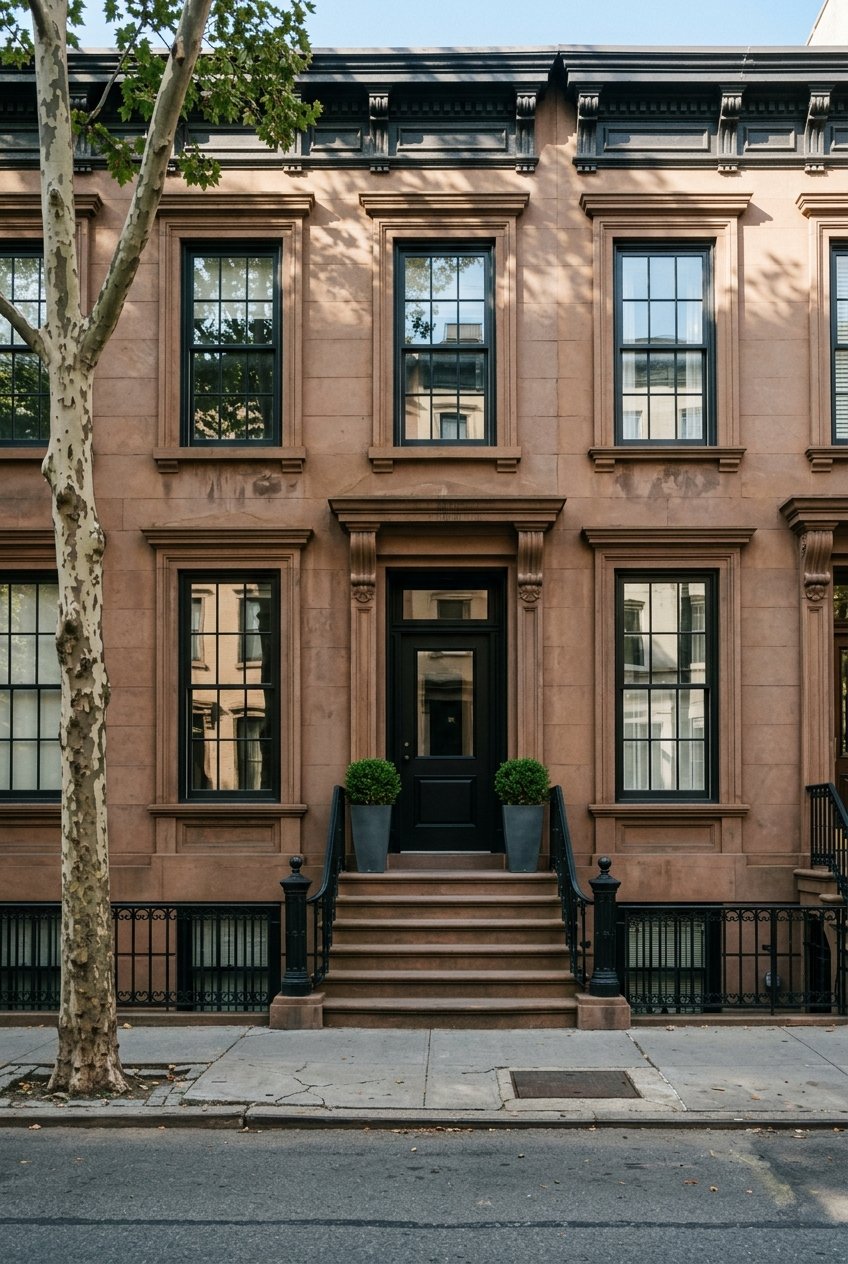
If you own an Upper East Side townhouse, you may be asking a very specific question right now: should you sell in this market, or wait for a better window? That is a fair question, especially in a segment where each property is unique, inventory is limited, and buyers tend to be highly selective. The good news is that current market signals point to real opportunity for well-positioned sellers. The bigger issue is not finding a perfect moment, but deciding whether your townhouse is prepared to compete well now. Let’s dive in.
What the Upper East Side Market Looks Like
The Upper East Side townhouse market remains narrow, which matters if you are thinking about selling. According to StreetEasy’s Upper East Side houses-for-sale page, there were 47 house listings at the time of reporting, compared with 1,308 listings across all property types in the broader neighborhood sales market. That tells you townhouse supply is still a small part of the local inventory picture.
That limited supply can work in your favor, but it does not mean every home will sell quickly or at any price. The same StreetEasy page shows a very wide range of asking prices, from the high $8 millions to the mid $40 millions. In other words, this is a thin market with very different tiers, and buyers pay close attention to block, condition, layout, and overall quality.
Is now a good time to sell?
The short answer is: it can be, if your townhouse is priced and presented correctly. Recent market data suggests buyer activity has improved, while inventory remains relatively constrained.
A mid-year 2025 Upper East Side townhouse report found 49 homes in inventory, down 15.5% year over year, while contracts signed rose 20.0% and recorded sales rose 22.2%. That same report also showed average days on market at 300 days, which is a useful reminder that better activity does not mean a fast or easy sale for every property. You can review those figures in the SERHANT townhouse mid-year report.
For sellers, that creates a mixed but encouraging setup. There are buyers in the market, and supply is not flooding the segment. At the same time, you should expect a thoughtful, selective audience rather than broad, impulsive demand.
Why buyer demand is still holding up
One of the key reasons the townhouse market has remained active is the nature of the buyer pool. In Manhattan’s luxury segment, demand has been supported by well-capitalized buyers, with activity concentrated among all-cash and low-leverage purchasers, according to Brown Harris Stevens’ Q4 2025 Manhattan market update.
That matters if you own an Upper East Side townhouse. Buyers in this category are often less rate-sensitive than the average apartment buyer, even though rates still influence overall confidence. Freddie Mac reported the 30-year fixed mortgage rate at 6.37% on April 9, 2026, down from 6.46% the week before and 6.62% a year earlier, suggesting a somewhat more favorable backdrop than last spring, as shown in the Primary Mortgage Market Survey.
There is also broader support from Manhattan’s upper-end market. Brown Harris Stevens said Manhattan posted its strongest fall since 2021 and its second-best fall in 11 years, with 2,434 contracts signed and 4,293 new listings in its Fall in Review report. Stable supply and rising demand is usually a healthier environment than a market driven by short-term spikes.
Pricing matters more than perfect timing
If you are waiting for a single ideal week to list, the data suggests that may be the wrong focus. In the current Upper East Side townhouse market, pricing strategy matters more than trying to time the exact top.
Across Manhattan townhouses, sellers received 93.0% of their last asking price in the first half of 2025, up from 91.9% a year earlier, according to the Brown Harris Stevens Manhattan townhouse market report. That is a healthy sign, but it also tells you negotiation remains part of the process.
Buyers are not ignoring value. They are willing to move on the right home, but they are still pressing on price, condition, and renovation needs. If your townhouse enters the market with an aspirational price that is not supported by current contracts, closed sales, or property condition, you may lose momentum and end up chasing the market instead of leading it.
Condition can shape your outcome
Not every Upper East Side townhouse competes on equal footing. In a market with long average marketing times and a selective buyer pool, condition can have a major effect on both timing and price.
Brown Harris Stevens noted in its Fall in Review that homes needing work, or homes that are oversized or undersized for their bedroom count, can face more pricing pressure because renovation costs remain high and buyers are more value-conscious. Well-prepared homes often have a clearer path to stronger offers.
That is especially important in the townhouse segment, where buyers may be comparing:
- renovated versus unrenovated condition
- landmark or architectural character
- outdoor space or garden access
- layout efficiency across multiple floors
- mechanical updates and overall livability
If your property needs work, selling now can still make sense. You just need to be realistic about how buyers will underwrite that work into their offers.
Questions to ask before listing
Before you decide whether now is the time to sell, it helps to step back and evaluate your position honestly. A few practical questions can clarify whether listing now is likely to produce the result you want.
Ask yourself:
- Is your townhouse renovated, architecturally distinctive, or enhanced by features such as outdoor space?
- If the property needs updates, are you prepared to price for condition?
- Are you relying on recent signed contracts and closed sales, not just active asking prices?
- Can you comfortably carry the property if it takes several months to find the right buyer?
- Are you prepared for negotiation in a market where buyers still expect value?
These questions matter because the Upper East Side townhouse market is not broad or uniform. A turnkey home on a strong block may attract immediate interest, while a house with layout or condition issues may require a longer campaign and sharper pricing discipline.
What the East Side data suggests
For a broader read on the core Upper East Side townhouse corridor, Brown Harris Stevens’ East Side sample, which generally spans 59th to 96th Street from Fifth Avenue to the East River, showed 27 sales compared with 21 a year earlier. The average sale price was $9.44 million and the median was $7.5 million, based on the 1H25 townhouse report.
Those figures are useful, even if they are not perfectly ZIP-specific to 10021. They reinforce the same theme seen in other reports: activity has improved, but this remains a market where pricing and property quality shape outcomes. More sales do not automatically mean every seller has pricing power.
Should you sell now or wait?
For many owners, spring 2026 looks like a workable selling window, not a guaranteed peak. Rates have eased somewhat, luxury demand has remained resilient, and inventory is still relatively thin. That creates a supportive backdrop for sellers whose homes are ready for market.
At the same time, waiting may be the better move if your townhouse would benefit from improvements, stronger positioning, or a more thoughtful marketing plan. If a modest renovation, staging effort, or pricing reset could materially improve how buyers respond, patience may pay off.
The real answer comes down to your property and your priorities. If you are ready to sell and your townhouse can compete well today, this market offers real opportunity. If your home needs work and you have flexibility, a short delay to improve condition or strategy could strengthen your result.
Watch these indicators next
If you are still deciding, keep an eye on a handful of signals over the next few months. These indicators can help you judge whether conditions are improving, leveling off, or becoming more competitive.
Watch for:
- active Upper East Side townhouse listings
- Manhattan contract-signed trends
- nearby price reductions and relist activity
- whether comparable homes trade close to ask or with meaningful concessions
- the direction of mortgage rates and broader market sentiment
These signals will not replace a property-specific strategy, but they can help you frame the market more clearly.
If you are weighing a sale, the smartest next step is not guessing the market from headlines. It is building a townhouse-specific plan around pricing, presentation, timing, and buyer fit. If you want a tailored strategy for your Upper East Side property, connect with Tom Wexler for experienced, high-touch townhouse guidance.
FAQs
Is now a good time to sell an Upper East Side townhouse?
- It can be a good time if your townhouse is priced correctly and presented well, since inventory is limited and buyer activity has improved, but buyers remain selective.
How long does it take to sell an Upper East Side townhouse?
- Mid-2025 reporting showed average days on market around 300 days, which means sellers should be prepared for a potentially longer marketing timeline.
What affects Upper East Side townhouse value most?
- Pricing, condition, layout, renovation quality, architectural character, and features like outdoor space can all materially affect buyer response and sale outcome.
Should I renovate before selling an Upper East Side townhouse?
- Not always, but if your home needs work, you should either improve it before launch or price it to reflect condition because buyers are sensitive to renovation costs.
Are Upper East Side townhouse buyers still active in 2026?
- Current data suggests luxury demand remains healthy, especially among well-capitalized buyers, and slightly lower mortgage rates may also support market sentiment.