Wondering whether landmark status will complicate the sale of your Upper East Side townhouse? In ZIP code 10021, that question is not a side issue. It is often central to how buyers assess timing, renovation options, and risk. If you are preparing to sell, understanding how the Landmarks Preservation Commission, or LPC, fits into the process can help you present your property with more clarity and confidence. Let’s dive in.
Why landmarks matter in 10021
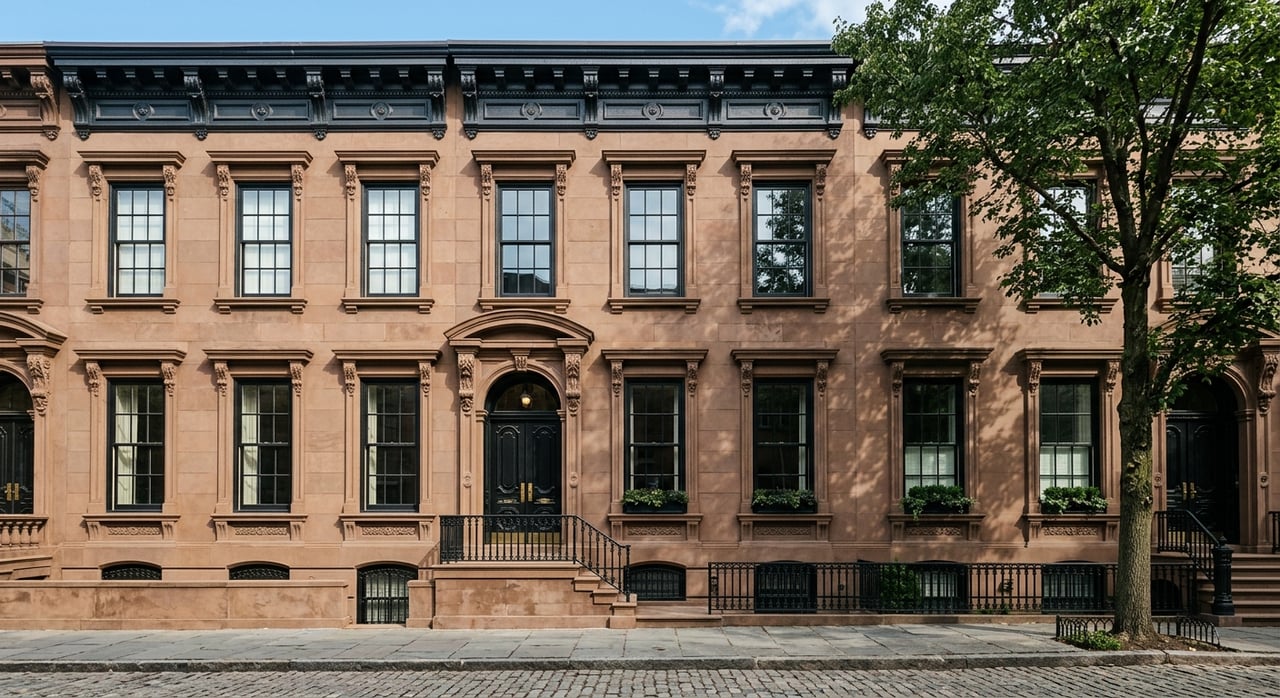
Many Upper East Side townhouse blocks in 10021 fall within areas shaped by New York City landmark regulation, including parts of the Upper East Side Historic District Extension. LPC oversees more than 38,000 historic buildings and sites citywide, most within historic districts and district extensions.
For sellers, this means landmark status is more than a label. It becomes part of the property’s documented history and can influence how a buyer thinks about future work after closing. In practice, buyers often want to know not just what the house is today, but also what can realistically be changed later.
Confirm landmark status first
Before you market a townhouse, confirm whether the property is an individual landmark or located within a historic district. LPC recommends using the Discover NYC Landmarks map for property-specific confirmation, because district map address ranges are only a guide.
This step matters because the rules are tied to the actual designation, not assumptions about the block. A buyer, architect, or attorney will likely verify this early, so it helps to have a clear answer from the start.
Read the designation report carefully
LPC designation reports are the regulatory record for a landmark or district. They describe the physical appearance of the property or area at the time of designation.
For a seller, that report can provide useful context for how the building may be viewed during buyer due diligence. It can also help explain which visible features may carry greater significance, especially when discussing facade elements, rooflines, stoops, or other architectural details.
Know what LPC reviews
LPC review usually focuses on exterior work and any interior work that affects the exterior or a designated interior landmark. In historic districts, most exterior changes to front and rear facades require review.
Importantly, work on parts of a building that are not visible from the street can still require an LPC permit. Also, even if a project does not require a Department of Buildings permit, or can be self-certified at DOB, LPC review may still apply.
That is why renovation conversations can become more nuanced in a townhouse sale. A buyer may see opportunity, but that opportunity is shaped by a separate layer of review.
Understand the main LPC approval paths
If your townhouse has approved work, pending work, or obvious areas a buyer may want to change, it helps to understand the basic LPC permit categories.
Permit for Minor Work
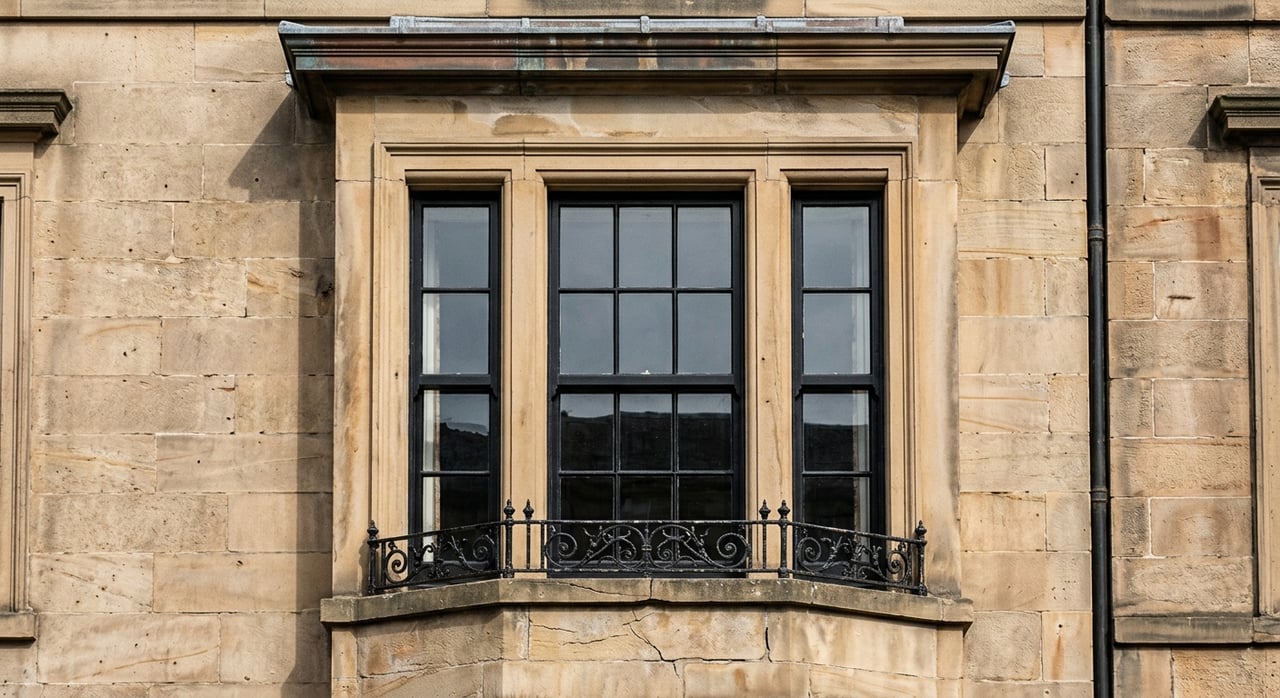
A Permit for Minor Work generally covers restorative or otherwise appropriate exterior work that does not require a DOB permit. LPC lists examples such as window or door replacement in existing openings, masonry cleaning, brownstone resurfacing, and through-window HVAC installation.
LPC says these applications can often be approved within 10 business days once complete. For a seller considering pre-listing repairs, that timing can matter.
Certificate of No Effect
A Certificate of No Effect applies when the work requires a DOB permit but has no effect on protected architectural features. LPC is required to decide a completed application within 30 working days.
This category can be important when a buyer is evaluating practical renovation timing. If future plans fall here, the path may be more predictable than many people assume.
Certificate of Appropriateness
A Certificate of Appropriateness is used when proposed work affects significant protected architectural features or does not conform to LPC rules. LPC gives examples such as additions, demolitions, new construction, and removal of stoops or cornices.
This is usually the most involved path. A completed application must be decided within 90 working days, and the process includes presentation to the local community board and then a public hearing before the full Commission.
Timing affects your sale strategy
When you sell a landmarked townhouse, timing is often part of the value story. A buyer may be comfortable with needed work if the likely approval path is straightforward. The same buyer may become more cautious if a future project appears headed toward a public hearing and a longer review period.
LPC notes that staff-level approvals account for about 95 percent of permit approvals. That is useful context, but it does not mean every idea will move quickly. The key is to present renovation possibilities with precision rather than broad claims.
Decide whether to repair before listing
If you are considering work before bringing the townhouse to market, focus first on items that may affect buyer confidence and can be documented clearly. Facade condition, stoop condition, windows, cornices, and roofline details often matter because these are among the types of features LPC may review or protect.
At the same time, not every maintenance item requires a permit. LPC says ordinary maintenance such as replacing broken window glass, repainting to match the existing color, or caulking around windows and doors generally does not require one.
The practical takeaway is simple: before scheduling work, confirm whether it is maintenance or permit-triggering alteration. That distinction can save time and help avoid unnecessary issues during marketing.
Gather your documentation early
One of the strongest things you can bring to market is a well-organized paper trail. LPC enforcement staff can investigate current work, recent changes, and even changes made many years earlier, including work completed before current ownership.
LPC also states that work done without an LPC permit, or work that does not comply with a permit, is a Landmarks Law violation. In some cases, work done by a prior owner can still be the responsibility of the current owner.
That makes documentation especially valuable. Before listing, try to assemble:
- LPC permits and applications
- DOB filings related to exterior or structural work
- Photos of completed alterations
- Records showing any violation resolution
- Notes identifying which changes were approved and when
A clean file does not just answer questions. It can make the townhouse easier for buyers and their advisors to evaluate.
Check for open issues and prior work
LPC’s Permit Application Finder shows permit applications and permits issued since January 1, 2016, along with active landmark violations since January 1, 2020. LPC also warns that this tool is not a substitute for title search or other legal due diligence.
For sellers, that means the online record is useful but not complete on its own. If there were prior alterations, especially older facade changes or rooftop work, buyers may ask how those changes fit into the property’s landmark history.
Understand pre-existing alterations
A common concern is whether an older alteration must be removed before sale. LPC says that if a highly visible and inappropriate rooftop addition existed before designation, the Commission cannot require its removal.
That said, any later change to that addition would still be reviewed under LPC standards. So while some pre-existing conditions may remain, they do not create an unrestricted path for future work.
This distinction matters in negotiations. A seller should avoid presenting an old alteration as proof that a buyer can freely expand or modify it later.
Market the townhouse with precision
The best marketing for a landmarked townhouse usually combines architecture with documentation. Buyers are often drawn to scale, light, original detail, and location, but they also want a credible picture of approvals, compliance, and future options.
That is why vague phrases like “endless renovation potential” can fall flat in this segment. In a townhouse sale, serious buyers tend to respond better to specifics.
A stronger approach is to separate the story into three parts:
- Approved work that can be documented
- Open issues that should be understood upfront
- Future possibilities that may still require LPC and possibly DOB review
This kind of presentation respects the buyer’s process and supports trust.
What buyers are likely to ask
In 10021, townhouse buyers and their advisors often focus on a few practical questions. These questions tend to shape due diligence and, sometimes, pricing conversations.
Expect questions such as:
- Is the facade compliant, or are there open violations?
- Which alterations were approved by LPC?
- Which visible changes existed before designation?
- If windows, HVAC, roofline, or openings are changed later, which LPC path would likely apply?
- How long could approvals take after closing?
If you can answer these clearly, the sale process often feels more controlled. If the answers are uncertain, buyers may build that uncertainty into their timeline or offer.
Why specialist guidance matters
Landmarked townhouse sales are rarely just about square footage or finishes. They are also about regulatory history, documentation quality, and how clearly the next owner can understand the property’s options.
That is where experienced townhouse representation can add real value. A seller benefits from a strategy that treats landmark status not as a problem to hide, but as a technical framework to explain accurately and confidently.
For owners in the Upper East Side, that often means planning ahead, organizing records, and shaping the listing narrative around what is known, documented, and supportable. Done well, that can make a complex property feel more legible to the market.
If you are preparing to sell a landmarked townhouse on the Upper East Side, Tom Wexler can help you build a tailor-made plan around documentation, positioning, and buyer-ready marketing.
FAQs
How do you confirm landmark status for an Upper East Side townhouse?
- LPC recommends using the Discover NYC Landmarks map for property-specific confirmation, because historic district address ranges are only a guide.
What exterior work on a 10021 townhouse usually needs LPC review?
- LPC says most exterior changes to front and rear facades in historic districts require review, and even work not visible from the street can require a permit.
How long can LPC approvals take for townhouse work?
- LPC says a completed Permit for Minor Work can often be approved within 10 business days, a completed Certificate of No Effect within 30 working days, and a completed Certificate of Appropriateness within 90 working days.
Can old unapproved work affect the sale of a landmarked townhouse?
- Yes. LPC states that work done without a permit or not in compliance with a permit is a violation, and work by a prior owner can still be the responsibility of the current owner.
Can a pre-existing rooftop addition remain on a landmarked townhouse?
- Sometimes. LPC says that if a highly visible and inappropriate rooftop addition existed before designation, the Commission cannot require its removal, though later changes to it would still be reviewed.
What records should a seller gather for a landmarked townhouse sale?
- Helpful records include LPC permits, DOB filings, photographs of completed work, and documents showing how any violations were resolved.