If you own a Carnegie Hill townhouse, the biggest question may not be whether you love the house. It may be whether the house still fits the life you want next. For many long-time owners, that decision comes with equal parts emotion, logistics, and financial judgment. This guide will help you think through the three main paths ahead in Carnegie Hill: hold and lightly update, undertake a major renovation, or prepare for a sale. Let’s dive in.
Why Carnegie Hill Decisions Feel Different
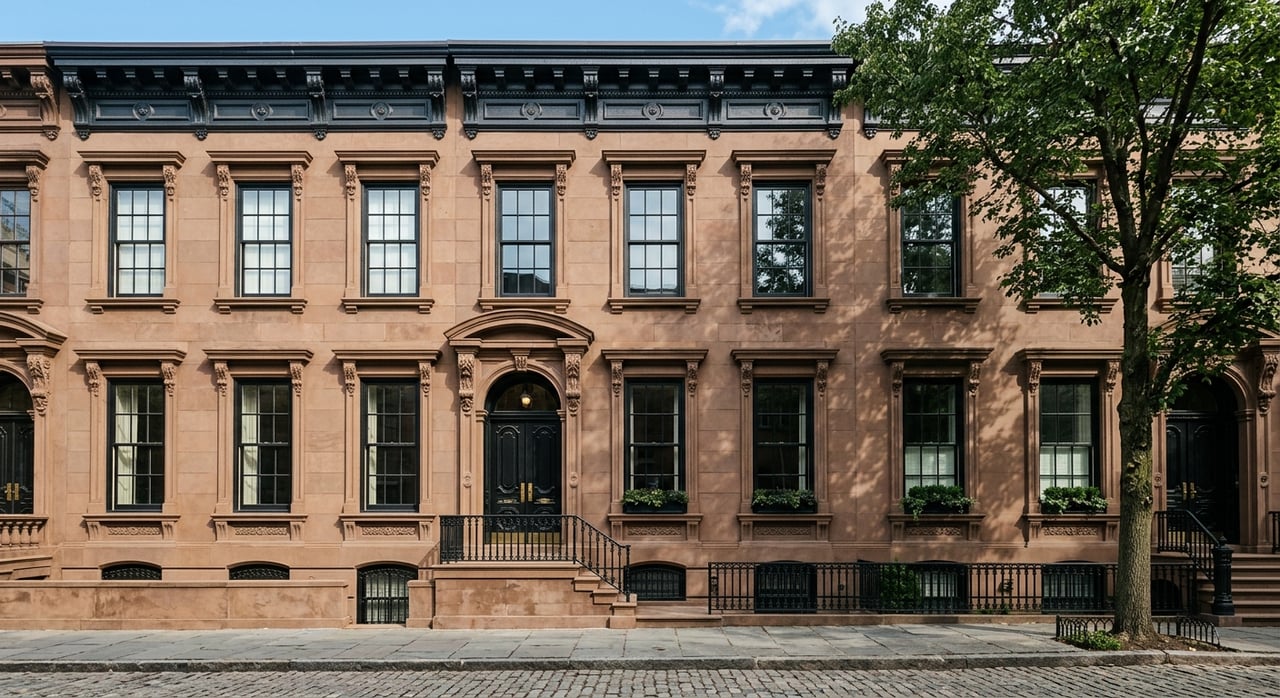
Carnegie Hill has a distinct townhouse identity within the Upper East Side. The neighborhood is generally understood as stretching from East 86th to East 98th Streets, from Fifth Avenue to just west of Third Avenue, and it is known for landmarked townhouses, pre-war buildings, cultural institutions, shops, and a preserved residential feel.
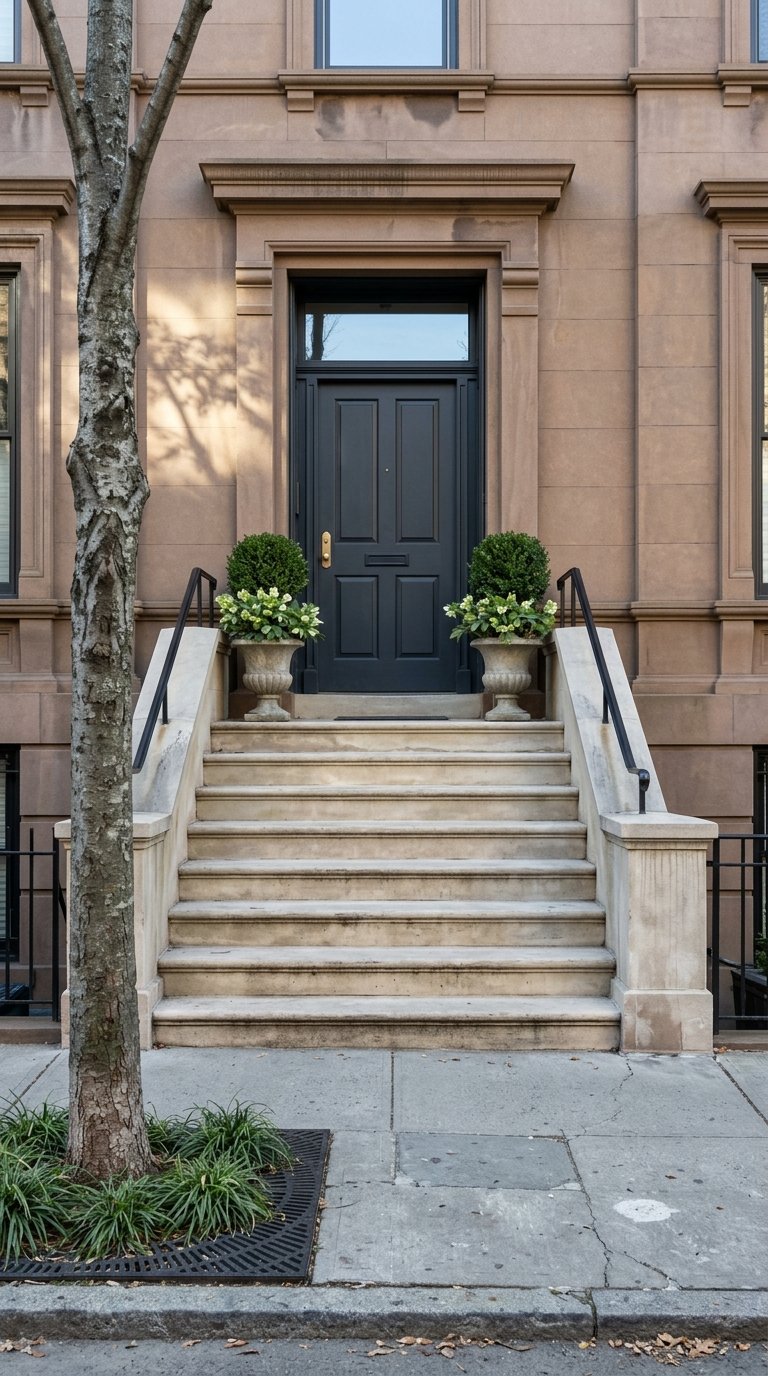
That preservation story matters when you plan your next move. The Carnegie Hill Historic District includes about 100 buildings dating from the 1880s through the early 1930s, with development ranging from late-19th-century brownstone and limestone row houses to early-20th-century town houses and apartment houses.
This is also a neighborhood where ownership decisions often reflect life stage. Broader Upper East Side data shows a notable share of older residents, along with households that still include children, which helps explain why owners here often revisit questions of space, accessibility, upkeep, and long-term use.
Start With Three Core Questions
Before you spend money or make a listing plan, it helps to step back. Most owners are really weighing three practical questions.
Does the house still fit your household?
Your answer may turn on how you use the house today, not how you used it ten years ago. A layout that once felt ideal may now feel too large, too vertical, or too fragmented for work-from-home needs, guests, or multigenerational living.
How much disruption can you tolerate?
Some owners are comfortable with design meetings, approvals, and construction. Others would rather avoid a second major project cycle and focus on stability or a clean transition.
Where should your capital go next?
You may be deciding between ongoing upkeep, a more ambitious renovation, or converting equity through a sale. In a high-value townhouse market, that choice deserves careful sequencing and a realistic view of timing, approvals, and buyer expectations.
Option One: Hold and Lightly Update
If the house still works well, a lighter-touch strategy may be the most sensible path. This often suits owners who want to preserve original character, improve comfort, and avoid the cost and disruption of a major overhaul.
In Carnegie Hill, that can be a smart middle ground. Because the neighborhood’s historic character is such a defining feature, many owners prefer focused upgrades that respect original fabric rather than broad changes that trigger more intensive review.
When this path makes sense
A hold-and-update plan may fit if you:
- still enjoy the current layout
- want to improve finishes or systems gradually
- need mostly interior work
- prefer a shorter approval timeline where possible
- want to preserve flexibility for a future sale
What landmark review may look like
In a landmark district, even smaller projects require attention to process. The good news is that many routine projects can be handled at the staff level, and the Landmarks Preservation Commission says about 95% of permit approvals are issued by staff rather than the full Commission.
For qualifying interior work that also requires Department of Buildings permits, a Certificate of No Effect may apply. According to LPC, complete CNE applications can often be approved within 10 business days. Exterior work is a separate matter, and changes affecting a landmarked building or a building within a historic district may still require LPC approval.
Option Two: Undertake a Major Renovation
Sometimes a townhouse no longer fits the next chapter without substantial change. That is often the case when you want to rethink circulation, create more usable family or guest space, improve accessibility, or adapt the home for different household needs.
In Carnegie Hill, the real question is usually not whether a renovation is possible. It is how much flexibility the process will allow and how well the project team understands landmark review from the start.
When a larger renovation may be worth it
A major renovation may deserve serious consideration if you want to:
- reconfigure the layout for modern daily use
- support work-from-home or multigenerational living
- address accessibility goals
- make the house more functional for long-term ownership
- invest in the property before deciding whether to stay or sell later
Why early coordination matters
LPC requires advance approval for alterations affecting designated buildings. Additions, demolitions, and the removal of significant features like stoops or cornices can require a Certificate of Appropriateness.
Even interior work can become more complex than expected if it affects the exterior. HVAC louvers and vents, for example, can trigger review. That is why owners benefit from early coordination among the architect, contractor, preservation consultant, and transaction advisor before plans go too far.
Expect both design and process decisions
For a Carnegie Hill townhouse, renovation planning is never just about taste. It is also about approvals, timeline, cost control, and understanding which changes are likely to move smoothly and which may require more extensive review.
That planning lens can protect both your time and your future options. A renovation that is well scoped and well sequenced is usually easier to live through and easier to explain to a future buyer.
Option Three: Prepare for a Sale
For some owners, the cleanest next chapter is a sale. That may be the right move when the house has become larger than you need, when ongoing management feels less appealing, or when you would rather unlock equity than begin another construction cycle.
The Manhattan market backdrop has offered support for well-positioned properties. In the first quarter of 2026, Manhattan closings rose 1% year over year to 2,757, total sales volume rose 4% to $6.2 billion, days on market fell to 110, and active inventory slipped 2% to just over 6,000 units.
Why townhouse positioning matters so much
Townhouses are a thin slice of the local market. In 2025, the Upper East Side recorded 35 sales of one-family buildings and 13 sales of two-to-four-family buildings, compared with 716 condominium sales.
That smaller pool cuts both ways. Your likely audience is narrower than the apartment market, but it is often more intentional, with buyers focused on privacy, scale, architecture, and block-by-block quality.
What buyers are likely to notice first
In Carnegie Hill, generic apartment marketing tends to miss the point. A townhouse buyer is more likely to respond to details such as:
- layout and flow
- natural light
- ceiling height
- garden or outdoor space
- architectural character
- preservation history
- overall condition and readiness
Presentation matters because the submarket is thin and values are high. Corcoran’s second-quarter 2024 Manhattan townhouse report recorded 48 closings borough-wide, with a median price of $6.775 million and an average price per square foot of $1,564.
Accurate pricing still leads the process
Even in a constructive market, pricing discipline matters. The first-quarter 2026 Manhattan market commentary noted that the market continued to reward accurate pricing and move-in-ready presentation.
That does not mean every townhouse needs a full pre-sale renovation. It does mean your sale strategy should be grounded in condition, landmark context, buyer expectations, and a realistic understanding of how rare your product type is.
A Practical Planning Sequence
When owners feel stuck, the issue is often sequence rather than strategy. You do not need every answer at once, but you do need to line up the right conversations in the right order.
Step 1: Confirm landmark status
Start by confirming whether your building is part of the historic district or otherwise designated. In Carnegie Hill, that question shapes what is possible, how long approvals may take, and which professionals should be involved early.
Step 2: Choose the broad path
Decide whether your working direction is hold, renovate, or sell. You can refine the details later, but choosing the path first helps prevent wasted design fees, unnecessary repairs, or premature marketing.
Step 3: Coordinate advisors together
For long-time owners, the strongest planning usually brings the real estate, legal, tax, and design conversations together. Estate, title, and tax questions belong with your attorney and CPA before major spending or listing decisions are made.
Step 4: Build the right scope
Once the path is clear, define what actually needs to happen. That may mean a targeted update list, a landmark-conscious renovation plan, or a sale preparation strategy focused on presentation, pricing, and timing.
What This Means for Your Next Chapter
A Carnegie Hill townhouse is rarely a simple asset. It is often a long-held home, a legacy property, and a technically specific form of ownership in one of Manhattan’s most preservation-oriented settings.
That is why the right next step is not always the biggest step. Sometimes the best decision is to stay and update selectively. Sometimes it is to renovate with discipline. Sometimes it is to sell with a plan that respects both the property’s character and the realities of a niche market.
If you are weighing those options, a specialist view can help you compare them clearly and act with confidence. If you want a tailored strategy for your Carnegie Hill townhouse, connect with Tom Wexler for a discreet, expert conversation.
FAQs
What should you consider before renovating a Carnegie Hill townhouse?
- Start with landmark status, your household’s current needs, the likely approval path with LPC, and whether the scope justifies the time, cost, and disruption.
How does landmark review affect Carnegie Hill townhouse updates?
- Because Carnegie Hill includes landmarked properties within a historic district, exterior changes and some work tied to DOB permits may require LPC review, with the approval path depending on the type of work proposed.
When does selling a Carnegie Hill townhouse make sense?
- Selling often makes the most sense when the house is larger than you need, when you want to convert equity into cash, or when you prefer not to manage another major construction cycle.
What makes Carnegie Hill townhouse marketing different from apartment marketing?
- Townhouse buyers tend to focus more on scale, privacy, layout, light, outdoor space, architecture, and preservation character than on standard apartment-style selling points.
Why is early professional coordination important for a Carnegie Hill townhouse?
- Early coordination helps align landmark requirements, design scope, legal and tax planning, and sale or renovation timing before you commit to major spending or a listing strategy.