Selling a Carnegie Hill townhouse is not the same as selling a generic luxury home. In this part of the Upper East Side, buyers pay close attention to architecture, block character, landmark context, and how a house truly lives across multiple floors. If you are preparing to sell in 10128, a strategic marketing plan can shape everything from pricing and timing to photography and buyer confidence. Let’s dive in.
Why Carnegie Hill Needs a Tailored Strategy
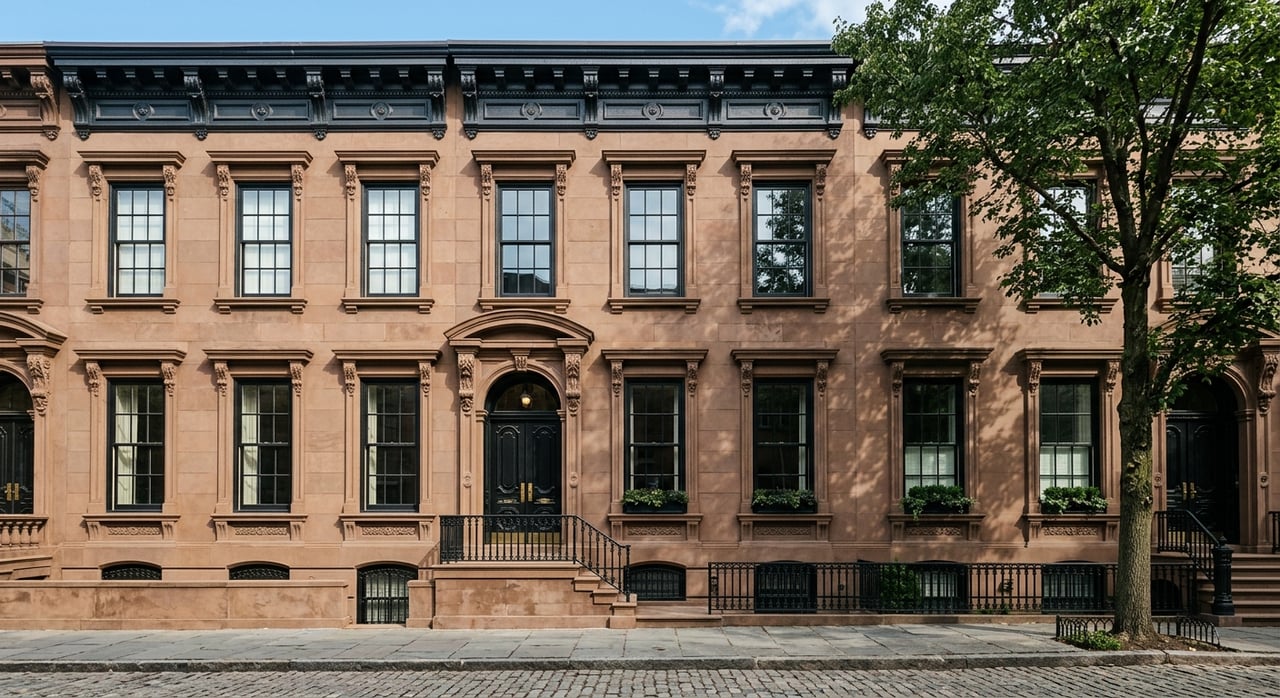
Carnegie Hill spans roughly East 86th to East 98th Streets between Fifth Avenue and just west of Third Avenue, and it carries a strong identity rooted in historic streetscapes, cultural institutions, and townhouse architecture. The neighborhood includes landmarked homes, prewar co-ops, and well-known institutions such as the Cooper Hewitt, the Guggenheim, and the 92nd Street Y.
That context matters because many of the area’s streets sit within historic districts, and dozens of buildings are individually designated landmarks. In practical terms, that means your sale story should go beyond finishes and square footage. Buyers want to understand the house’s provenance, what has been preserved, what has been updated, and how those updates fit within the property’s architectural context.
Carnegie Hill Buyers Look for More Than Luxury
A Carnegie Hill townhouse buyer is often evaluating two properties at once: the physical house and the long-term ownership experience. That includes layout, outdoor space, natural light, and renovation quality, but it also includes what may be original, what may have been approved, and what future work could involve.
This is one reason generic marketing tends to underperform here. Broad luxury language can blur the very features that make one townhouse stand out from another. A better approach is to present the home with clarity, showing how its architectural details, floor-to-floor flow, and improvements support daily life.
Market Conditions Shape the Plan
The Manhattan townhouse market remains active, but selective. In the first half of 2025, Manhattan townhouses posted an average sales price of $6,266,277, a median price of $5,500,000, average days on market of 201, and sellers received 93.0% of their last asking price.
For the East Side segment, which is the most relevant backdrop for Carnegie Hill, the numbers were much higher. The average sales price reached $9,436,598, the median price was $7,500,000, and average price per square foot was $1,744. Those figures support a thoughtful, evidence-based pricing strategy rather than an aspirational launch that risks long market time.
What Selective Demand Means for Sellers
In a selective market, buyers do not simply respond to prestige. They compare width, light, block quality, outdoor space, condition, and renovation history. They also look closely at whether a property feels turnkey, partially improved, or poised for further work.
That means your marketing has to answer questions before they become objections. The strongest campaigns reduce uncertainty early by making the home’s story easy to understand.
Timing Matters in Carnegie Hill
When you launch can influence both attention and momentum. New York City buyer activity tends to rise in spring, and StreetEasy reports that spring home shopper inquiries are, on average, 36.5% higher than in autumn and early winter.
Early fall can also work well, especially when buyers return to the market after summer. In both cases, timing tends to align with how townhouse buyers organize family schedules, relocation plans, and larger financial decisions.
Best Launch Windows
For many Carnegie Hill townhouse sellers, the strongest launch windows are:
- Early to late spring
- Early fall
- Immediately before or after major seasonal breaks, when buyers are actively planning
If your likely buyer includes households with school-age children, timing becomes even more important. A launch is often more effective before the school-year rush or shortly after major breaks, rather than during them.
Dates to Avoid Planning Around
Big neighborhood events and school calendar disruptions can make showings, photography, and open houses less efficient. For example, Museum Mile programming along Fifth Avenue can add congestion and limit the calm, polished presentation that townhouse marketing usually needs.
The same logic applies to major school recess periods. If you are building a launch plan, the production calendar for photography, video, floor plans, and broker outreach should be set with those windows in mind.
What Your Marketing Package Should Include
A Carnegie Hill townhouse should be marketed like a distinctive asset, not a standard listing. The most effective packages usually focus on architectural pedigree, block context, width, light, outdoor space, vertical flow, and the quality of renovation work.
That does not mean overloading buyers with technical detail. It means giving them the right information in a clean, elegant format that builds trust.
Essential Visuals
Strong visual presentation often follows a clear sequence:
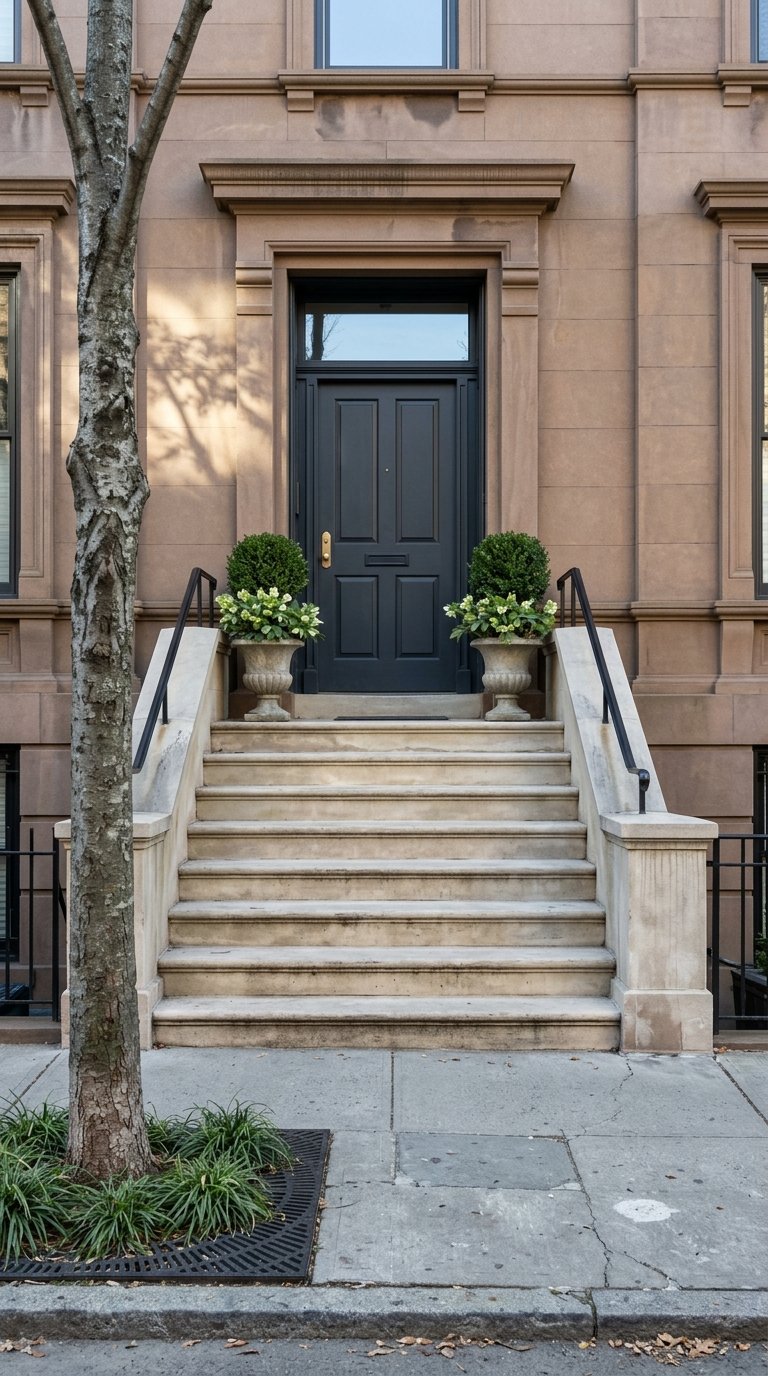
- Facade and stoop
- Parlor floor
- Stair hall or another point that explains circulation
- Kitchen and the level most connected to daily living
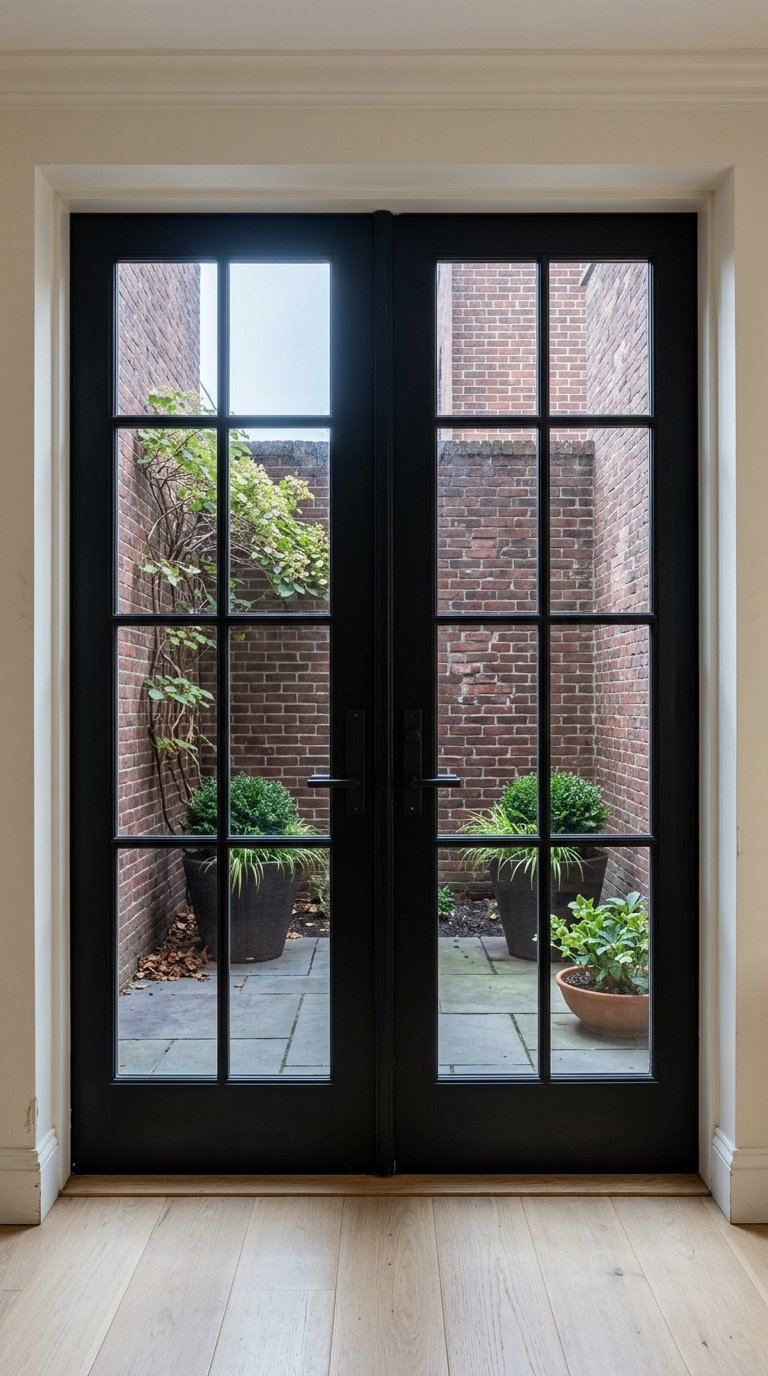
- Outdoor space
- Detail images such as fireplaces, moldings, millwork, or original doors
This order works because townhouse buyers need help understanding the house as a whole. Unlike apartment marketing, the goal is not just to show rooms. It is to show scale, flow, and how each level connects to the next.
Video That Explains the House
For a multi-level home, a concise exterior-to-interior walkthrough can be especially effective. Buyers often need to see room adjacency, ceiling height, transitions between formal and informal spaces, and how outdoor areas relate to the interior.
That kind of video can do more than create interest. It can help qualify serious buyers before an in-person showing by giving them a clearer sense of the property’s layout.
Documentation That Reduces Friction
A complete marketing package should usually include:
- Floor plans
- Accurate room dimensions
- A concise renovation chronology
- Readily understood records of major permits or landmark approvals, if available
This documentation matters because Carnegie Hill buyers tend to assess not only the beauty of a house, but also the future cost and complexity of ownership. Clear records can make the property feel more legible and lower perceived risk.
Landmark Context Should Be Part of the Story
In Carnegie Hill, landmark and historic district rules are not side notes. The Landmarks Preservation Commission generally requires approval before most exterior alterations, demolition, or new construction on landmarked buildings or buildings in historic districts.
For sellers, that means your marketing should distinguish among original elements, approved work, and remaining opportunities for improvement. Done well, this adds confidence rather than concern. It tells buyers that the home has been cared for with attention to both design and process.
How to Present Renovations Clearly
The best approach is usually simple and factual. Show what period details remain, identify meaningful upgrades, and explain the result in terms of livability and stewardship.
For example, instead of relying on broad claims, your materials should help buyers understand whether the house offers preserved architectural detail, updated systems, improved kitchen or family-level use, and outdoor enhancements. In this market, precision often feels more valuable than hype.
Outreach Should Be Broad but Selective
A townhouse in Carnegie Hill sits in a high-value niche with a relatively small buyer pool and longer average selling times than many other property types. That is why a standard listing push is rarely enough.
The most effective launch plans usually combine several channels at once while keeping the message tightly curated. The goal is to reach qualified buyers and the brokers who already work with them.
A Smarter Launch Mix
A strong outreach strategy may include:
- Direct broker previews
- Neighborhood-focused email distribution
- Private showings
- Exposure through established luxury and relocation networks
This kind of layered approach fits the local market. It respects the fact that Carnegie Hill townhouse buyers are often highly specific in what they want and may respond best to a presentation that feels targeted, informed, and discreet.
The Strategic Questions to Answer Before Listing
Before a townhouse goes live, the marketing plan should answer a few core questions. These answers often shape pricing, materials, and launch timing.
Which Features Should Lead?
The first page of copy and the first image set should usually spotlight proportions, original character, and livability. Width, light, outdoor space, and the relationship between public and private levels often matter more than generic luxury descriptors.
How Much Should Landmark Context Be Highlighted?
Enough to build confidence, not so much that it overwhelms the story. Buyers in Carnegie Hill often appreciate clarity around preservation and approvals because it helps them understand both the home’s integrity and future ownership considerations.
Is Spring or Fall Better?
Spring is usually the strongest window, based on citywide inquiry patterns and contracting activity. Fall can also be effective, especially with careful preparation and a launch that avoids key scheduling disruptions.
How Much Documentation Will Buyers Expect?
More than in a typical apartment sale. In this submarket, documentation supports credibility and helps buyers evaluate condition, prior work, and next-step feasibility.
Why Bespoke Marketing Protects Value
A Carnegie Hill townhouse often represents years of stewardship, design decisions, and significant capital investment. Marketing it well is about more than exposure. It is about presenting the house in a way that matches how this buyer pool actually shops.
That means disciplined pricing, strong visual storytelling, thoughtful timing, and clear documentation. When those elements work together, your listing is better positioned to stand out in a selective market and command serious attention.
If you are considering a sale in Carnegie Hill, a tailored plan can make the difference between simply listing your townhouse and positioning it properly from day one. To build a strategy around your home’s architecture, landmark context, and ideal launch window, connect with Tom Wexler.
FAQs
What makes Carnegie Hill townhouse marketing different from other Manhattan listings?
- Carnegie Hill townhouse marketing should emphasize architecture, historic context, layout, light, outdoor space, and renovation clarity because buyers in this area often look beyond generic luxury features.
When is the best time to list a Carnegie Hill townhouse?
- Spring is usually the strongest launch window, while early fall can also perform well if your timing avoids major school breaks, holiday periods, and local event congestion.
What documents help sell a Carnegie Hill townhouse?
- Helpful materials often include floor plans, accurate room dimensions, a renovation timeline, and clearly presented records of major permits or landmark approvals, if available.
Why do landmark rules matter in a Carnegie Hill townhouse sale?
- Landmark rules matter because many Carnegie Hill properties are landmarked or located in historic districts, and buyers often want to understand what exterior work was approved and what future changes may require review.
What features should sellers highlight in a Carnegie Hill townhouse listing?
- Sellers should usually lead with facade and stoop presence, parlor-floor character, natural light, width, vertical flow, outdoor space, and meaningful original details or compliant upgrades.
How long can a Manhattan townhouse take to sell?
- In the first half of 2025, Manhattan townhouses averaged 201 days on market, which supports a patient, strategic approach to pricing, timing, and buyer outreach.