Selling a Carnegie Hill townhouse at a premium is rarely about one big move. More often, it comes down to a series of smart decisions about condition, paperwork, timing, and presentation. If you want to protect value and make your home stand out in a selective Manhattan market, the right preparation can give you a clearer path forward. Let’s dive in.
Why Carnegie Hill preparation matters
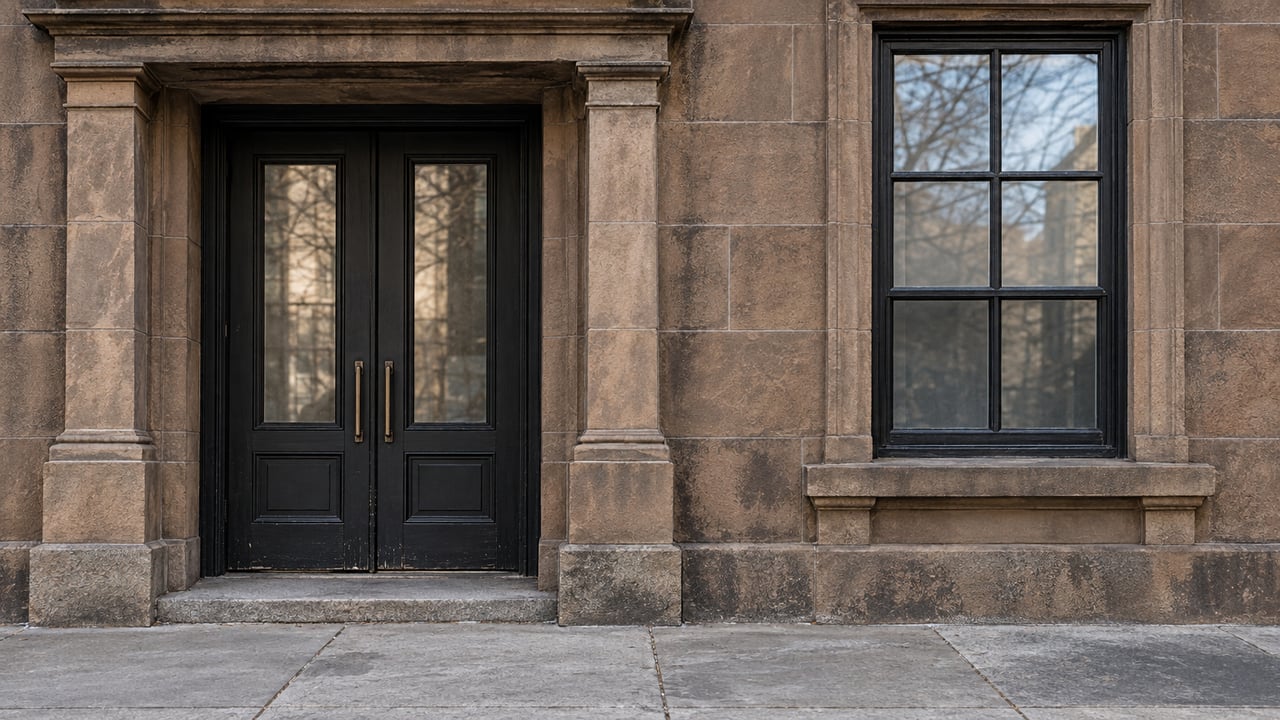
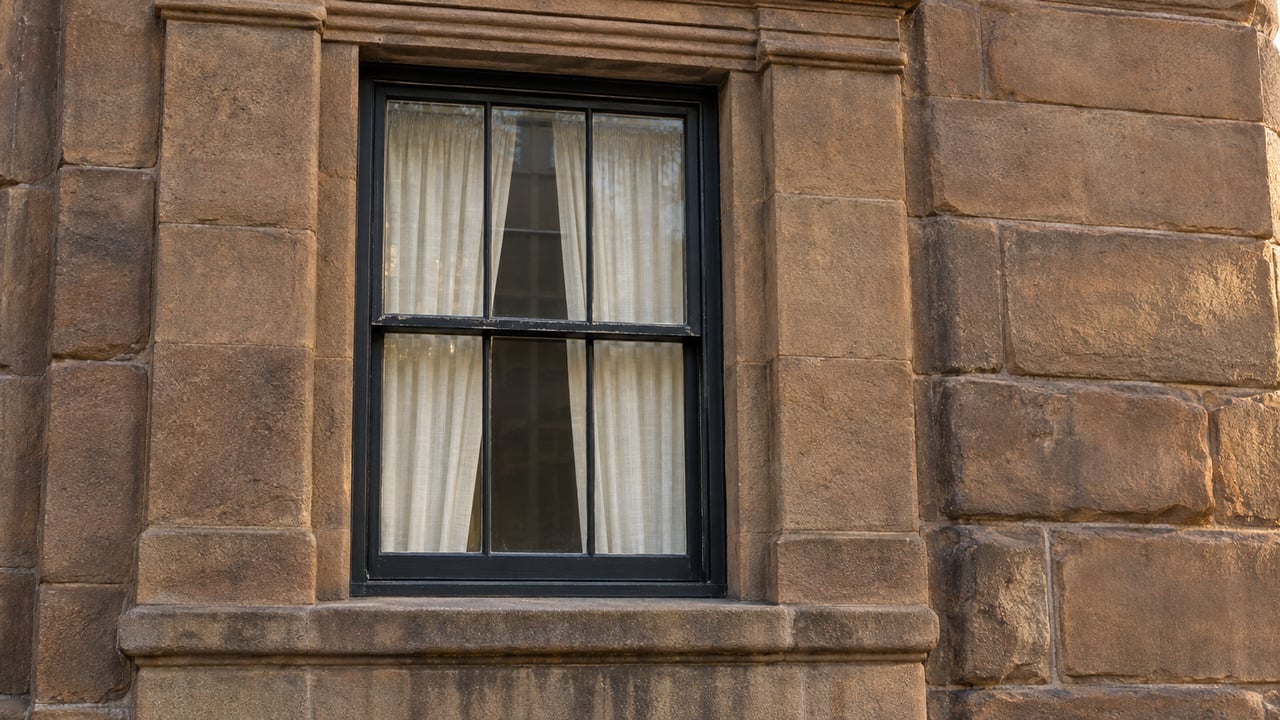
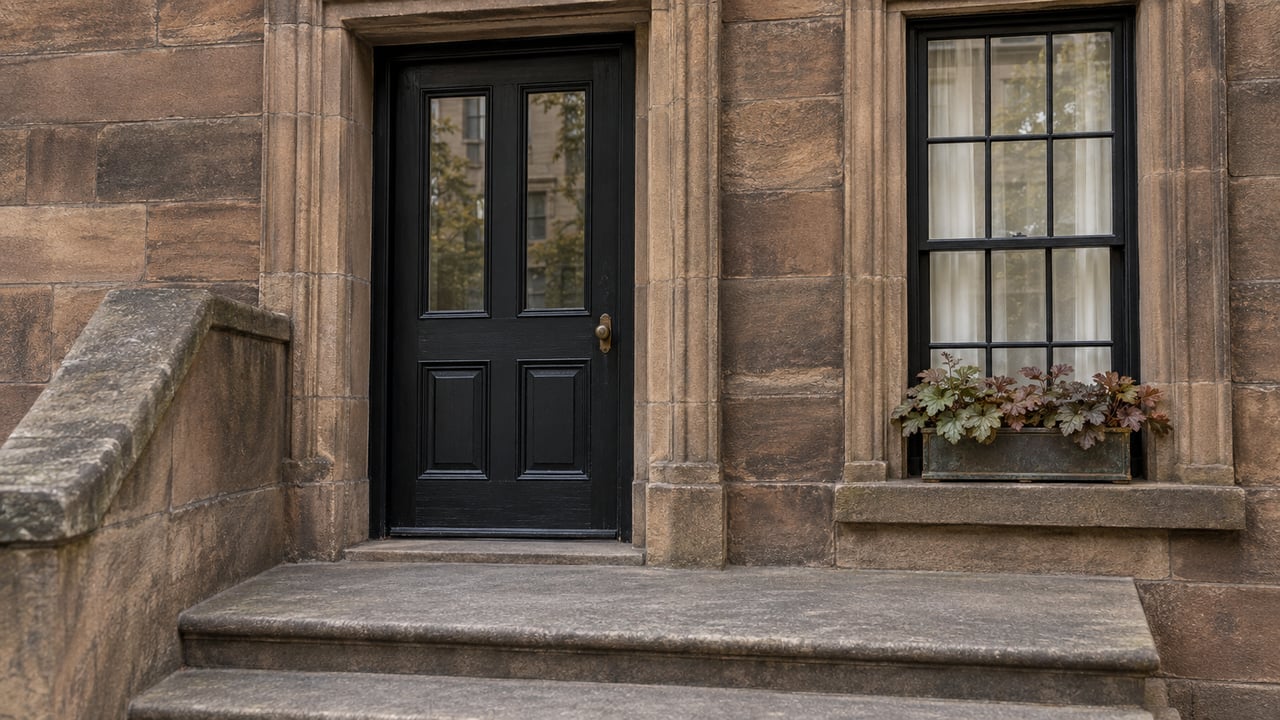
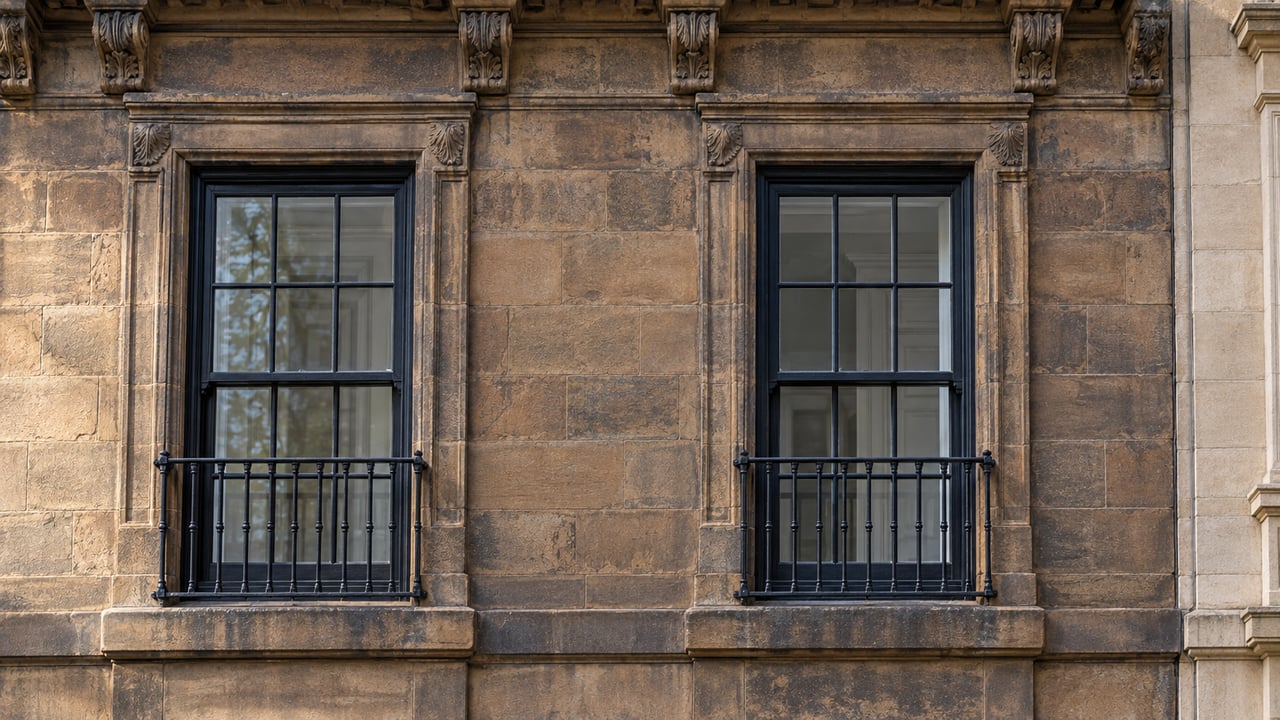
Carnegie Hill is not just another Manhattan townhouse market. The neighborhood’s appeal is tied to a preserved residential streetscape of row houses, townhouses, mansions, and flats, with buildings dating largely from the 1850s through the 1960s and many built between the 1870s and 1930s. In practical terms, buyers are often paying for more than size alone. They are also responding to proportion, masonry character, and how a home fits within the block’s architectural continuity.
That context matters even more in a market where buyers can be selective. According to the Brown Harris Stevens Manhattan townhouse market report for 1H 2025, Manhattan one- to three-family townhouses averaged $6,266,277, with a median of $4,750,000, and sellers received 93.0% of their last asking price. On the East Side, the median reached $7,500,000, which reinforces how strongly condition, positioning, and presentation can affect outcomes.
Confirm landmark and building status first
Before you choose paint colors, replace fixtures, or plan exterior work, confirm exactly what you own from a regulatory standpoint. The Carnegie Hill Historic District map from LPC shows the district boundaries, which were originally designated in 1974 and expanded in 1993. That is the starting point for understanding whether your townhouse sits within a protected historic district.
You should also review your property record through the NYC Department of Buildings building information tools. BIS and DOB NOW can show permits, complaints, violations, inspections, occupancy information, and current status. LPC’s research guidance also notes that BIS can help surface landmark status, certificates of occupancy, and alteration records.
This early review can shape your entire sale plan. If there are open items in the file, unresolved paperwork, or questions about prior work, it is better to address them before a buyer finds them in diligence.
Address violations and records before listing
A premium sale can lose momentum quickly when basic records are incomplete. Open DOB violations are especially important to resolve early because, according to DOB guidance on violations, a violation is removed only after the condition is corrected and proof is provided to the issuing unit. BIS will show the number of open DOB violations tied to the property.
For many sellers, this means building a pre-listing file that includes:
- DOB permits and permit history
- Certificate of occupancy information, if applicable
- Open complaint and violation records
- Alteration history
- Landmark-related approvals or records
When this file is organized in advance, you reduce the risk of late-stage renegotiation and help buyers feel more confident in the asset.
Know what work needs LPC review
In Carnegie Hill, visible improvements can add value, but not every improvement follows the same approval path. The Landmarks Preservation Commission application guidance explains that owners must obtain permits before doing work that affects the exterior and, in some cases, the interior of designated properties. LPC reviews whether changes fit the building’s architectural and historical character as well as the surrounding district.
That review process matters because even work that complies with zoning can still be rejected if LPC finds it inappropriate in context. If your plan includes windows, doors, stoops, cornices, rear-yard work, or additions, start that conversation early. The LPC permits and alterations guidance makes clear that replacement elements and additions are reviewed in light of the building’s history and district character.
Focus on low-friction improvements first
Not every pre-sale upgrade needs to become a long approval project. LPC notes through the city’s business guidance that ordinary maintenance usually does not require review. Examples include fixing broken window glass or repainting a door the same color.
For a seller, that distinction is useful. It means some of the most visible and practical improvements may be handled without triggering a lengthy process, provided the work truly falls within maintenance rather than alteration.
High-impact, lower-friction updates often include:
- Fresh paint where appropriate
- Lighting upgrades
- Floor refinishing
- Hardware refreshes
- Selective kitchen and bath improvements
- Stoop and railing maintenance
- Masonry cleaning or repair where needed
- Restoration of visible deterioration instead of wholesale replacement
The goal is not to erase age. It is to present the house as cared for, functional, and architecturally intact.
Preserve character, do not over-modernize
In Carnegie Hill, premium value is often tied to authenticity. The neighborhood’s historic district designation reflects a distinct sense of place and a coherent streetscape, and buyers often respond to homes that respect that identity. Over-modernizing a façade or stripping out distinguishing exterior details can weaken the story that supports a premium sale.
That is why preservation-minded choices tend to perform better. The LPC Rowhouse Manual was created to help rowhouse owners preserve and maintain their homes while working successfully with LPC when alterations are needed. For sellers, that framework can be especially helpful because it encourages upgrades that improve presentation without compromising architectural credibility.
Prioritize interior refreshes where possible
If your goal is to improve marketability with less regulatory friction, interior-only cosmetic work is often the simplest path. LPC’s jurisdiction is aimed at designated exteriors and separately designated interiors, not routine room refreshes in a standard historic district property. The LPC landmark types and criteria page explains that interior landmarks are treated separately.
That can make interior updates a practical way to improve first impressions before listing. Refinishing floors, improving lighting, simplifying finishes, and editing rooms so original proportions read clearly can all help buyers connect with the house without creating unnecessary approval risk.
Build your disclosure file early
Paperwork is now a more important part of sale preparation than many owners realize. New York’s revised Property Condition Disclosure Statement has been mandatory for sellers of residential one- to four-family property since July 1, 2025. According to the New York Department of State bulletin, the form must be delivered before a binding contract is signed, is not a warranty, and must be updated if the seller later learns something that materially changes the statement.
For many Carnegie Hill townhouses, lead history should also be part of the pre-listing package. The same state bulletin notes that buyers should investigate lead-based paint in structures built before 1978, and the EPA Lead-Based Paint Disclosure Rule applies to most pre-1978 private housing. In other words, lead documentation should be treated as an early diligence item, not something left for the end of the deal.
A strong pre-listing document package often includes:
- The current Property Condition Disclosure Statement
- Any lead-related disclosures or records
- DOB permits and occupancy records
- Violation and complaint history
- Landmark approvals and alteration records
Use the home’s history in the marketing story
A premium townhouse sale is not marketed like a generic luxury property. In Carnegie Hill, the strongest listing narratives often come from the building’s documented history and architectural context. LPC’s designation reports and research tools are especially valuable here because they can provide original owners, architects, construction dates, alterations, and the basis for the district’s significance.
LPC’s guide to researching historic buildings also explains how these records can support a fuller property story. That gives you material that is far more persuasive than generic claims about luxury alone. Buyers in this segment often want to understand what makes a townhouse specific, rare, and enduring.
A stronger narrative might highlight:
- Construction era
- Architect or design lineage, if documented
- Façade materials and preserved details
- Position within the historic district
- Notable approved alterations or restoration work
Give yourself a 12- to 24-month runway
If you are planning for a premium sale, a rushed timeline can work against you. Based on the approval, paperwork, and disclosure issues involved, a 12- to 24-month runway is often the most practical way to prepare thoughtfully. That gives you time to sort records, address DOB issues, complete lower-friction improvements, and decide whether any exterior work is worth pursuing.
It also supports better pricing discipline. Broad Carnegie Hill data points suggest a selective market rather than an across-the-board seller’s market, while Manhattan townhouse data still point to multimillion-dollar pricing for well-positioned assets. In that kind of environment, preparation does a great deal of the work.
Price and presentation work together
No pricing strategy can fully overcome weak condition, thin documentation, or an underdeveloped story. The inverse is also true. When a townhouse is well prepared, clearly documented, and marketed through its architecture and place within Carnegie Hill, pricing has a stronger foundation.
That is especially relevant when neighborhood-level numbers vary by property type and sample size. Broad snapshots can show median sale prices in the mid-$1 million to $2 million range for all home types, while townhouse-specific Manhattan data sit much higher. For a premium Carnegie Hill townhouse, buyers are usually making a more granular judgment about quality, authenticity, and confidence in the asset.
If you are considering a sale in the next year or two, the best first step is often not a renovation. It is a clear property audit, a realistic preparation plan, and a marketing strategy that matches the house. If you want a tailored roadmap for your townhouse, connect with Tom Wexler for a thoughtful, property-specific plan.
FAQs
How do I confirm whether my Carnegie Hill townhouse is landmarked?
- Check the LPC historic district map and review the property through the NYC DOB building data tools.
What townhouse updates in Carnegie Hill usually do not need LPC review?
- Ordinary maintenance, such as same-color repainting or repairing broken window glass, generally does not require review, but larger exterior changes should be cleared first.
What documents should I gather before listing a Carnegie Hill townhouse?
- Start with DOB permits, certificate of occupancy information, open violation records, landmark-related approvals, the current Property Condition Disclosure Statement, and any lead-related disclosures or reports.
Why is interior-only work often simpler before selling a Carnegie Hill townhouse?
- Routine interior cosmetic updates are often the lowest-friction way to improve presentation because LPC’s oversight is generally focused on designated exteriors and separately designated interiors.
How should I market a Carnegie Hill townhouse for a premium sale?
- Frame the listing around documented architecture, designation history, preserved details, and the home’s place within Carnegie Hill’s historic streetscape, not just generic luxury features.