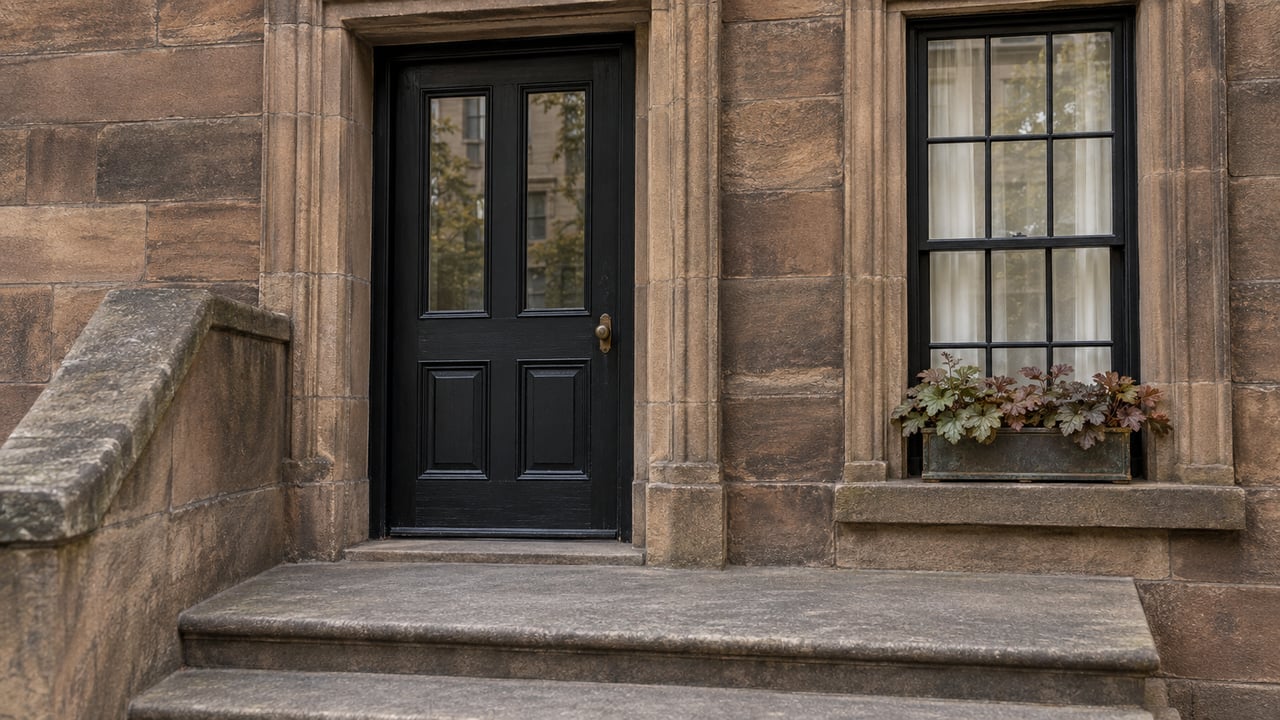
Trying to choose between a townhouse and a condo on the Upper East Side? You are not comparing two versions of the same home. You are weighing privacy against convenience, control against shared management, and often a very different level of financial commitment. If you want to make a smart decision in 10021, this guide will help you understand the tradeoffs that matter most before you buy. Let’s dive in.
Upper East Side price ranges vary widely
One of the biggest mistakes buyers make is treating the Upper East Side as a single market. It is not. Current neighborhood data shows a median sale price around $1.2 million and a median sales pace of 54 days, but recent sales also show a very wide spread between apartments and townhouses.
Recent recorded sales in the neighborhood included one-family townhouses around $3.3 million to $7.1 million, two-family properties at $3.8 million and $13.625 million, and a three-family sale at $13.7 million. By contrast, recent apartment resales included co-ops around $414,000 to $417,000 and a condo at $555,000. In practical terms, your choice often starts with how much capital you want to commit and what level of ongoing carrying costs you can comfortably support.
Prices also shift within the neighborhood itself. Fifth and Park Avenues are generally the priciest corridors, while prices tend to moderate farther from the park. That means your block, building, and property type matter as much as the neighborhood name.
Townhouse vs condo ownership
At a high level, a condo gives you ownership of an individual unit within a governed building. A townhouse usually gives you direct control over the entire residence, often without the same co-op or condo governance structure. That difference shapes almost every part of ownership.
A condo can feel more streamlined if you want apartment living with a deeded ownership structure. A townhouse can feel more personal and private if you want your own entrance, multiple floors, and more direct say over how the property is used and maintained.
On the Upper East Side, that distinction is especially important because product types are so different. A condo may suit a buyer who wants a simpler ownership format within a managed building, while a townhouse often appeals to buyers seeking a more independent, house-like experience in Manhattan.
Privacy and control
For many buyers, the townhouse decision begins with privacy. A townhouse usually offers a private entry, less shared day-to-day circulation, and a stronger sense that the home is fully your own. If that lifestyle matters to you, a townhouse is often the clearest fit.
That control comes with responsibility. When something breaks in a townhouse, you are typically managing the response more directly, often with outside vendors rather than a building staff or shared system. Some buyers value that independence. Others would rather have more of the operational load handled through a building structure.
A condo often works well if you want a more flexible apartment ownership experience without taking on every building issue yourself. You still need to follow the condominium’s declaration, bylaws, and house rules, but the building structure can absorb some of the management burden.
Rules and governance matter more than buyers expect
Governance is one of the most important differences between these options. Condo owners must follow the building’s declaration, bylaws, and house rules, and the board can enforce those rules. The New York Attorney General also notes that condo sublet provisions are generally less restrictive than co-op sublet provisions.
That often means condos feel more flexible than co-ops, though they are still not a free-for-all. You should review the governing documents carefully so you understand renovation rules, use restrictions, and any limits that could affect your plans.
A townhouse usually sits outside that same shared-board structure, which can mean more autonomy. But it also means fewer built-in buffers when issues arise. If you are deciding between a townhouse and a condo, ask yourself a simple question: do you want more control, or do you want more shared management?
Taxes and carrying costs are not simple
It is easy to assume a townhouse will always cost more to carry than a condo, or the reverse. In New York City, that is too simplistic. The Department of Finance treats one- to three-unit homes as tax class 1, while co-ops and condos are generally tax class 2, and the city uses different assessment methods for each.
For tax year 2026, the citywide property tax rate is 19.843% for class 1 and 12.439% for class 2. The assessment ratios are also very different: 6% for class 1 and 45% for class 2. Those numbers do not tell you which property is cheaper to own on their own, but they do show why you should model taxes property by property instead of relying on assumptions.
For condos, you also need to factor in common charges and whether the unit may qualify for the co-op or condo tax abatement. For eligible primary residences, that abatement can reduce carrying costs, but timing and ownership rules apply. In general, the unit must be purchased by January 5 for the next tax year, it must be your primary residence, and you cannot own more than three residential units in the same development.
Closing costs can shift the math
On the Upper East Side, purchase price alone does not tell the full story. Closing costs can materially affect your budget, especially once you move into seven-figure territory.
New York City’s Real Property Transfer Tax applies to transfers above $25,000. The rate is 1% up to $500,000 and 1.425% above that for residential transfers. New York State’s mansion tax adds 1% when the consideration is $1 million or more.
This matters in both townhouse and condo purchases, but the impact often feels more pronounced as price points rise. Before you decide a townhouse or condo is the better value, make sure you are comparing the full acquisition cost, not just the asking price.
Renovation questions on the Upper East Side
If customization matters to you, a townhouse may be appealing because it can offer more direct control over the property. But on the Upper East Side, renovation due diligence matters a lot because much of the neighborhood falls within the Upper East Side Historic District and its extension.
The Landmarks Preservation Commission regulates designated properties after designation. Most exterior changes in historic districts require review, including work affecting front or rear facades and even some projects that are not visible from the street. Ordinary exterior repairs, such as replacing broken window glass or repainting to match the existing color, generally do not require a permit.
Interior work usually does not need LPC review unless it affects the exterior or involves a designated interior landmark. Even so, if you are buying with plans to renovate, you should understand both the property’s landmark status and the practical scope of work before you commit.
Building condition and due diligence
Whether you buy a condo or a townhouse, physical condition matters. The New York Attorney General recommends reviewing the offering plan, board minutes, and financial reports when evaluating a co-op or condo. Those records can reveal ongoing issues, planned repairs, and the building’s financial posture.
The same guidance highlights systems that often drive major costs in existing buildings. These include facade work, roof repairs, elevators, plumbing, electrical systems, HVAC, boilers, pointing, and windows. For a condo buyer, those issues may show up through assessments, reserve needs, or future common-charge pressure.
For a townhouse buyer, those same issues can land directly on you. That is why the townhouse-versus-condo choice is not just about layout or style. It is also about how much building complexity you want to handle personally.
Which option fits your goals?
If you are looking for a private-entry home with the strongest sense of ownership and the most day-to-day control, a townhouse is often the better fit. It can also be the right choice if you value multi-floor living and want more room to shape the property over time.
If you want a deeded apartment with a broader ownership structure and fewer restrictions than a co-op, a condo may be the better path. It often offers a simpler apartment ownership experience and can appeal to a broader resale audience.
On the Upper East Side, neither path is automatically better. The right answer usually comes down to the specific property, the block, the building or landmark context, your renovation plans, and your comfort with carrying costs.
A practical Upper East Side framework
If you want a simple way to think about the decision, use this framework:
- Choose a townhouse if privacy, private entry, control, and customization matter most.
- Choose a condo if you want flexibility, deeded apartment ownership, and more shared operational structure.
- Compare carrying costs carefully because taxes, common charges, and upkeep can vary significantly.
- Review due diligence documents closely because rules, systems, and financial exposure differ from property to property.
- Check landmark status early if renovation is part of your plan.
On the Upper East Side, the label alone rarely gives you the full answer. The smartest buyers look past townhouse versus condo as an abstract debate and focus on the exact asset in front of them.
If you are weighing a townhouse against a condo on the Upper East Side, the right guidance can save you time, sharpen your search, and help you avoid expensive assumptions. For a discreet, highly informed approach to townhouse and complex Manhattan property decisions, connect with Tom Wexler.
FAQs
What is the main difference between a townhouse and condo on the Upper East Side?
- A townhouse usually offers more privacy, private entry, and direct control over the whole residence, while a condo offers deeded apartment ownership within a building governed by bylaws and house rules.
Are Upper East Side townhouses much more expensive than condos?
- Recent neighborhood sales show that townhouses and small multifamily properties often trade in the multi-million-dollar range, while some apartment resales have been far lower, so the capital commitment is usually very different.
How do property taxes differ for a townhouse and condo in New York City?
- One- to three-unit homes are generally tax class 1, while condos are generally tax class 2, and New York City uses different tax rates and assessment ratios for each, so taxes should be reviewed for the specific property.
Can you renovate a townhouse freely on the Upper East Side?
- Not always. If the property is in a designated historic district, many exterior changes require review by the Landmarks Preservation Commission, though many interior changes do not unless they affect the exterior or a designated interior landmark.
Is a condo easier to resell than a townhouse on the Upper East Side?
- Condos generally have a broader buyer pool, while townhouses are more capital-intensive and appeal to buyers specifically looking for privacy, control, and a full-building ownership experience.
What should you review before buying an Upper East Side condo?
- You should review the offering plan, board minutes, financial reports, and the condition of major building systems such as facade, roof, plumbing, windows, electrical, HVAC, and elevators.