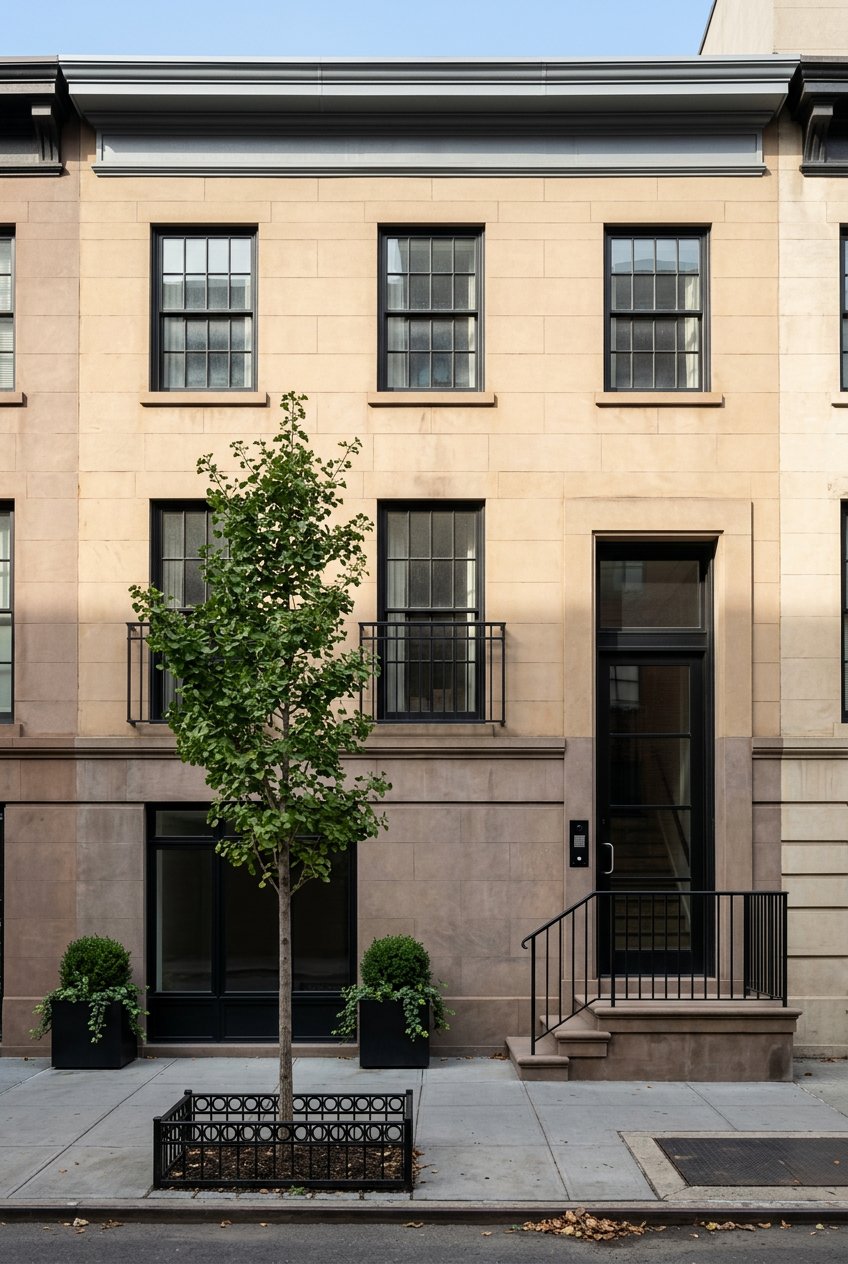
Thinking about buying a Midtown East townhouse or small mixed-use building in 10016 but unsure how today’s rules and financing affect the numbers? You are not alone. Inventory is tight, demand near Grand Central is steady, and new incentives have changed what pencils for conversions and renovations. In this guide, you will see where the opportunities are, the pitfalls to avoid, and how to underwrite with confidence in 10016. Let’s dive in.
Why 10016 appeals to investors
Scarcity and townhouse premiums
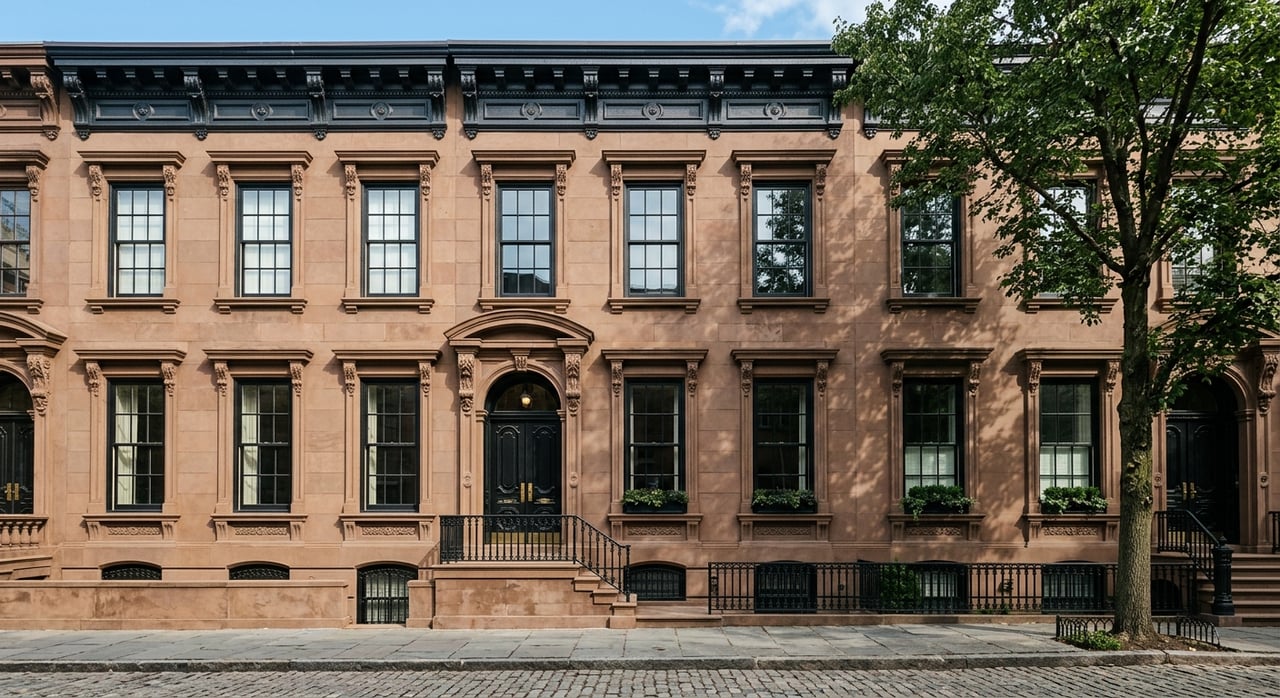
Townhouses and small buildings in Midtown East are a boutique, supply-constrained asset class. Pricing is lumpy and depends on lot width, FAR potential, interior condition, and whether the property is landmarked. That scarcity, paired with private-entry living and proximity to Midtown offices, helps support value even when broader markets shift.
Office adjacency and tenant base
10016 sits by Grand Central and the Park and Third Avenue corridors. Professional services, finance, and law firm employees value short walks to the office, which supports steady renter demand for renovated apartments near transit. As firms concentrate into high-quality office space, demand tends to favor updated, well-located buildings within easy reach of Grand Central, a trend noted in recent office market commentary that links workplace consolidation to nearby housing demand. For context on the central Manhattan employment core, review recent leasing and absorption summaries.
Asset types and pricing drivers
Townhouses: what moves PPSF
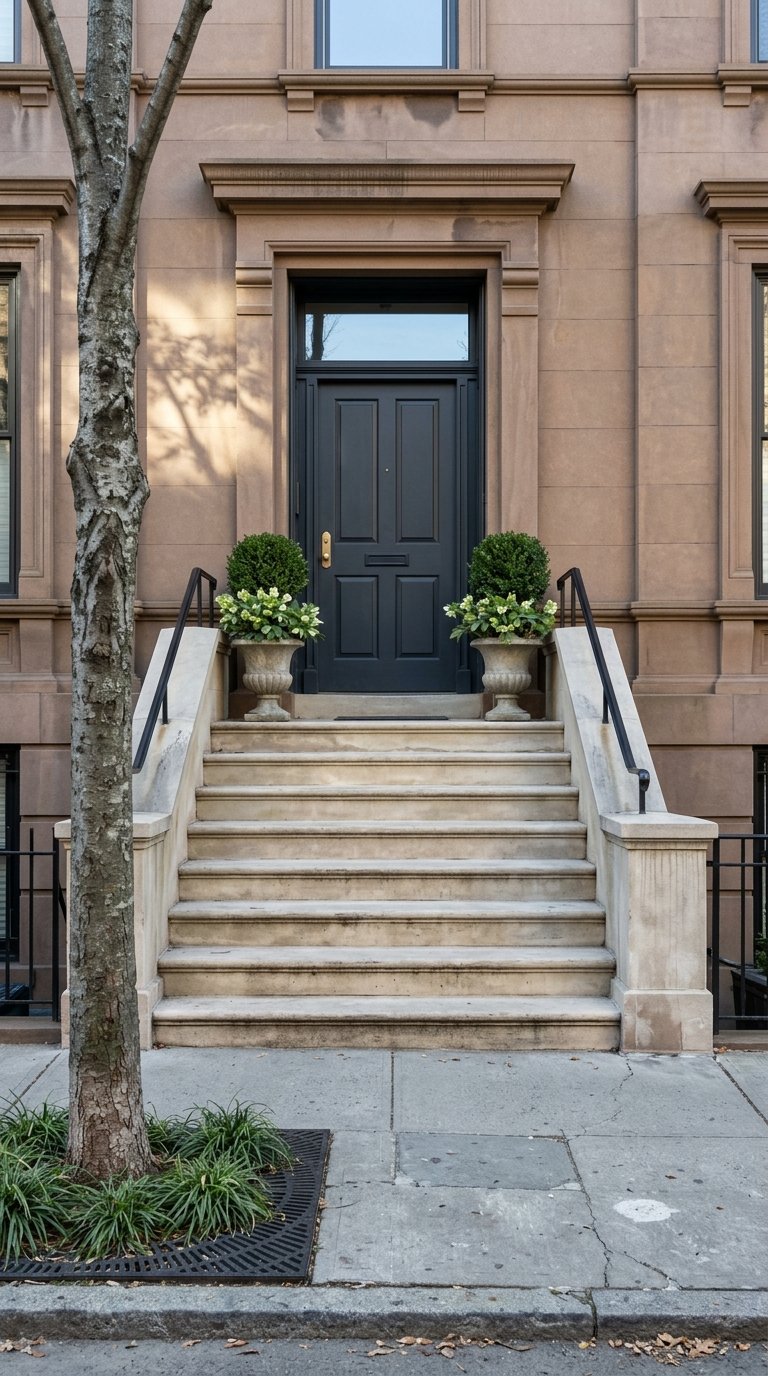
For townhouses, price per square foot often hinges on width, structural condition, mechanical systems, and future optionality. Wider lots, intact historic details in good repair, legal garden or roof access, and a clean Certificate of Occupancy typically trade at a premium. Landmark overlays can add long-term value but also add time and cost to exterior changes. Expect negotiation to focus on scope and permitting reality as much as on design.
Small mixed-use: cap rates and risk
Small multifamily and mixed-use assets have repriced in recent years. Free-market buildings with updated systems often command tighter cap rates than older, regulated portfolios, while properties with high vacancy or deferred maintenance trade wider. Industry coverage shows going-in cap rates for stabilized free-market multifamily generally clustered in the mid to high 5 percent range in recent analyses, with weaker assets demanding higher yields. For perspective on investor appetite and cap rate dispersion, see this overview of free-market multifamily performance.
Value-add plays that work now
Modernize units and systems
Light to moderate renovations to kitchens, baths, HVAC, and windows can lift NOI and reduce near-term CapEx risk. Budget for code-triggered upgrades like sprinklers, egress, and potential lead or asbestos remediation. Updated mechanicals and fresh finishes are what nearby office workers pay for.
Legalize and optimize layouts
Where permitted, legalizing lower-level space or rationalizing layouts can add bedrooms or improve usability. Always verify the Certificate of Occupancy and Department of Buildings history before assuming a unit count increase. The right plan can close the gap between as-is rent and market potential.
Reposition ground-floor space
On mixed-use blocks, owners often evaluate whether underperforming retail should be re-tenanted or converted to residential or a different use class. The City’s recent zoning text changes aim to reduce barriers and expand conversion options. Confirm what is feasible on your lot under the City of Yes for Housing Opportunity changes and align your plan with DOB and C of O requirements.
Consider office-to-residential
For smaller office or mixed-use buildings with workable floorplates, today’s tax policy can be a tailwind. New York State’s RPTL §467-m, administered by HPD as the Affordable Housing from Commercial Conversions program, provides a structured property tax exemption for eligible conversions that include affordability. Review eligibility, timing, and covenant requirements directly with HPD. Start with the AHCC program page and the final HPD rules. Pair that with lot-by-lot feasibility under the City of Yes zoning updates. Model the exact exemption schedule and compliance cost before pursuing a change of use.
Single-family or duplex conversion
Some townhouses in 10016 are best repositioned as a high-end single-family or duplex. Liquidity depends on the luxury buyer pool and the quality of the finished product. This path suits wider, architecturally strong houses where craftsmanship and privacy command a premium at resale.
Rules that shape returns
AHCC 467-m tax exemption
RPTL §467-m offers a multi-year property tax benefit for eligible office-to-residential conversions that include required affordable units and meet HPD timelines. It can materially change the pro forma on qualifying buildings. Underwrite the affordability bands, reporting obligations, and prevailing-wage triggers before committing. Start with HPD’s program summary and FAQs.
485-x and new construction math
If you are weighing ground-up or major additions, the state’s new 485-x framework (a successor to 421-a mechanics) provides a distinct incentive path from 467-m. It can affect your build-versus-convert decision in Midtown East. See this practitioner summary of 2024 housing laws for an overview and consult counsel for site-specific implications.
City of Yes changes
Adopted text amendments under City of Yes broaden conversion eligibility and simplify certain procedures. That means more potential pathways, but also more interagency steps. Confirm zoning, use groups, and any special district rules that apply to your block via the City’s published materials and verify assumptions with your architect.
Good-Cause Eviction basics
New York’s Good-Cause Eviction law adds eviction protections and notice requirements for many non-regulated units in covered dwellings. It can limit no-fault nonrenewals and constrain rent increase strategies. There are exemptions, and courts are interpreting scope and applicability. Review current case context, such as this 2025 decision outlining coverage questions, and have counsel confirm coverage before planning a rapid reposition.
Short-term rentals are limited
Short-term rentals are not a reliable value-add strategy in Manhattan. Local Law 18 registration, active enforcement, and existing Multiple Dwelling Law rules generally prohibit whole-apartment stays under 30 days in most buildings with three or more units unless strict criteria are met and the host is present. The City’s enforcement office continues to upgrade tools and actions, as noted in this LL18 enforcement update. Underwrite without STR revenue.
Landmarks and LPC approvals
Many Murray Hill and Tudor City blocks contain landmarked or historically sensitive buildings. Exterior work typically requires Landmarks Preservation Commission approvals and can add time and cost. Identify LPC status during diligence and sequence façade, window, and entry changes accordingly.
Financing, exits, and risk management
Debt markets reset after 2022, and lenders remain selective. A large wave of CMBS and bank maturities through 2026 is pressuring refinances and creating opportunities for well-capitalized buyers. For context on the maturity wall and its pricing effects, review Trepp’s maturity playbook. In 10016, test your plan against higher-for-longer rates and conservative takeout assumptions.
Practical underwriting moves:
- Stress-test refinancing at rates 300 to 400 basis points above today’s quote and widen exit cap rates.
- Segment the rent roll by regulatory status and presumed tenant profile, and model GCEL constraints on turnover.
- Layer in City of Yes pathways and 467-m or 485-x scenarios where relevant, including covenant and compliance costs.
- Allocate contingency for DOB-triggered upgrades and landmark-related work.
Midtown East vs nearby markets
Midtown East’s edge is walkability to Grand Central and the Park and Third Avenue corridors. That proximity supports steady absorption from professionals and corporate housing users, especially in renovated product near transit. By contrast, some nearby areas lean more toward long-term family demand or tech-and-creative tenant pools, which changes amenity expectations and value-add levers. If your strategy depends on weekday convenience and professional services tenants, 10016 is often a fit, but stay mindful of evolving office cycles that influence neighborhood dynamics. Recent office market commentary is a useful backdrop when assessing demand resilience.
Quick 10016 diligence checklist
- Confirm tenant status and lease abstracts. Identify any rent-stabilized or controlled units and assess Good-Cause Eviction coverage.
- Pull the Certificate of Occupancy, DOB violations, and HPD complaint history. Match legal use to as-built conditions.
- Check zoning, including City of Yes impacts on change-of-use or density. Verify landmark status early.
- Map tax class, exemptions, and incentive eligibility. If conversion is on the table, review HPD’s 467-m program criteria and timing.
- Build a CapEx plan that anticipates code triggers and landmark requirements. Sequence permits to avoid rework.
- Model multiple exits: stabilized hold, refinance, or resale after renovation. Test each against rate and cap rate stress.
Ready to invest with a specialist?
You get one chance to buy right and execute cleanly. If you want a tailored acquisition and repositioning plan for a Midtown East townhouse or small building, partner with a broker who lives this asset class every day. From LPC navigation to conversion modeling and curated marketing at exit, you will get senior-level guidance and institutional-grade execution with Tom Wexler.
FAQs
What makes 10016 townhouses attractive to investors?
- Scarcity, private-entry living, and proximity to Grand Central support value and steady rental demand from nearby professional employment hubs.
How does the 467-m tax incentive affect conversions in Midtown East?
- RPTL §467-m can deliver a significant property tax exemption for eligible office-to-residential conversions that include affordability and meet HPD timelines, which can materially improve conversion economics.
Are short-term rentals a viable strategy in Midtown East small buildings?
- Generally no. Local Law 18 and the Multiple Dwelling Law restrict whole-apartment stays under 30 days in most buildings, and the City actively enforces registration and compliance.
How are cap rates trending for small multifamily in Manhattan?
- Coverage of recent deals shows stabilized free-market assets often trading in the mid to high 5 percent cap rate range, with weaker or more regulated assets requiring higher yields.
What due diligence is critical before bidding on a 10016 townhouse?
- Verify tenant regulatory status, C of O and DOB history, zoning and landmark constraints, tax class and incentive eligibility, and build a CapEx plan that anticipates code and LPC requirements.