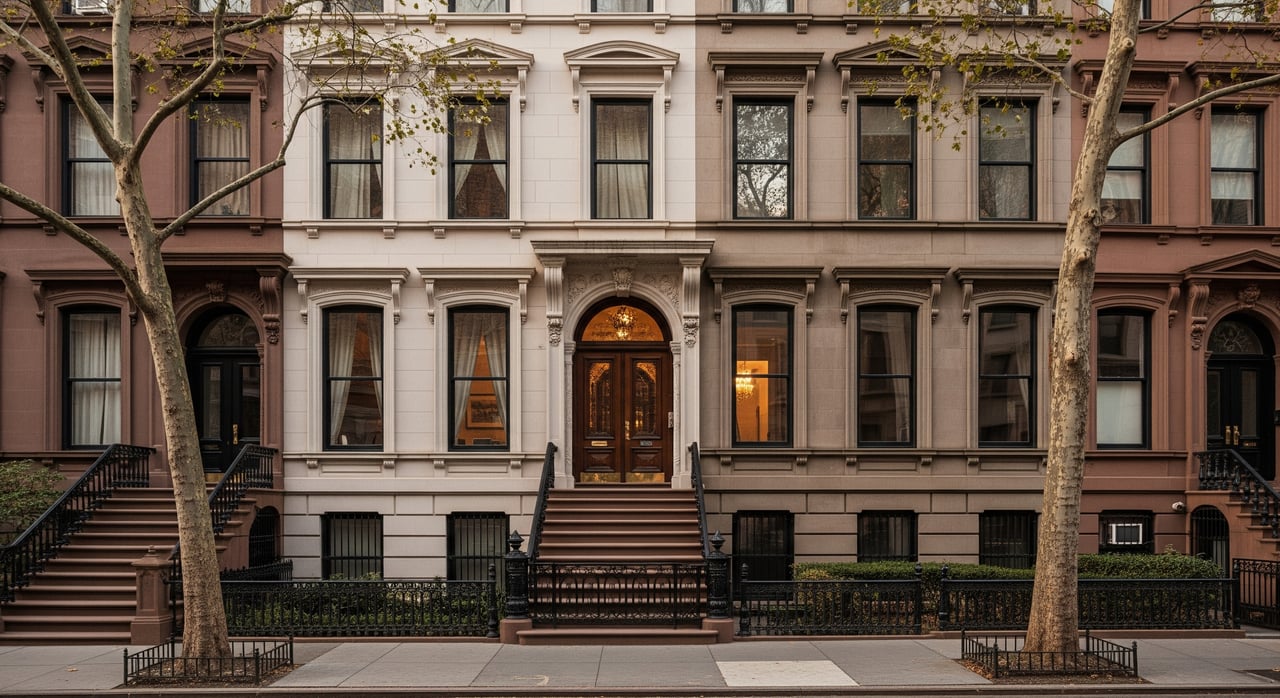
Thinking about selling your Carnegie Hill townhouse but not sure where to start? In 10128, historic homes can command premium prices when they are presented with the right mix of privacy, story, and compliance. You want a process that protects your time and legacy while attracting serious, qualified buyers. In this guide, you’ll see how a specialist structures a sale around discreet outreach, editorial-grade creative, targeted press, and LPC-savvy positioning. Let’s dive in.
Why Carnegie Hill townhouses sell differently
Carnegie Hill sits on the Upper East Side near Central Park and Museum Mile. Many blocks include late-19th and early-20th-century rowhouses and brownstones. That history is part of the value and also part of the work.
Unlike condos and co-ops, townhouses are fee-simple or sometimes condominiumized single-family buildings. Inventory is limited, and each home is distinct, so value depends on lot size, outdoor space, legal condition, permitted FAR, and potential for expansion. Sales are episodic, and comps are thin. This is why an expert uses a wider lens for valuation and marketing.
Buyers can include families, downsizers who want vertical living with a garden, international buyers, and investors or developers considering conversions or additions. Your strategy should speak to the right audience without overexposing the property.
Choose your sale strategy
Private outreach and privacy
When you want discretion, a private or limited launch can be effective. The approach focuses on a curated buyer pool and controlled showings.
- Broker-to-broker outreach taps top Manhattan agents, investor contacts, and past buyers. Full materials are shared only under NDA.
- “Coming soon” or blind materials reveal just the essentials. Full details, floor plans, and videos are released by invitation.
- Showings are appointment-only. Broker previews are limited and structured.
Pros include privacy and reduced disruption. You may preserve leverage if the right buyer is already identified. The tradeoff is narrower exposure, so pricing and timing must be set with care.
Full launch with editorial PR
If the goal is to maximize competitive demand, a public launch supported by editorial storytelling can widen the buyer pool. Great creative helps your townhouse stand out among a small set of available properties.
- Build a feature-worthy narrative of history, architecture, and lifestyle.
- Time outreach to real estate and design press around the public launch to drive shareable coverage.
- Use the listing period to collect multiple offers when interest is broad.
Well-timed, editorial placement in outlets such as New York Times Real Estate or The Real Deal can add credibility and reach. The key is to match the approach to your goals and the property’s strengths.
Craft editorial-grade materials
High-impact creative not only attracts buyers; it increases confidence and helps justify premium pricing. Focus on clarity, completeness, and taste.
Photography, video, and 3D tours
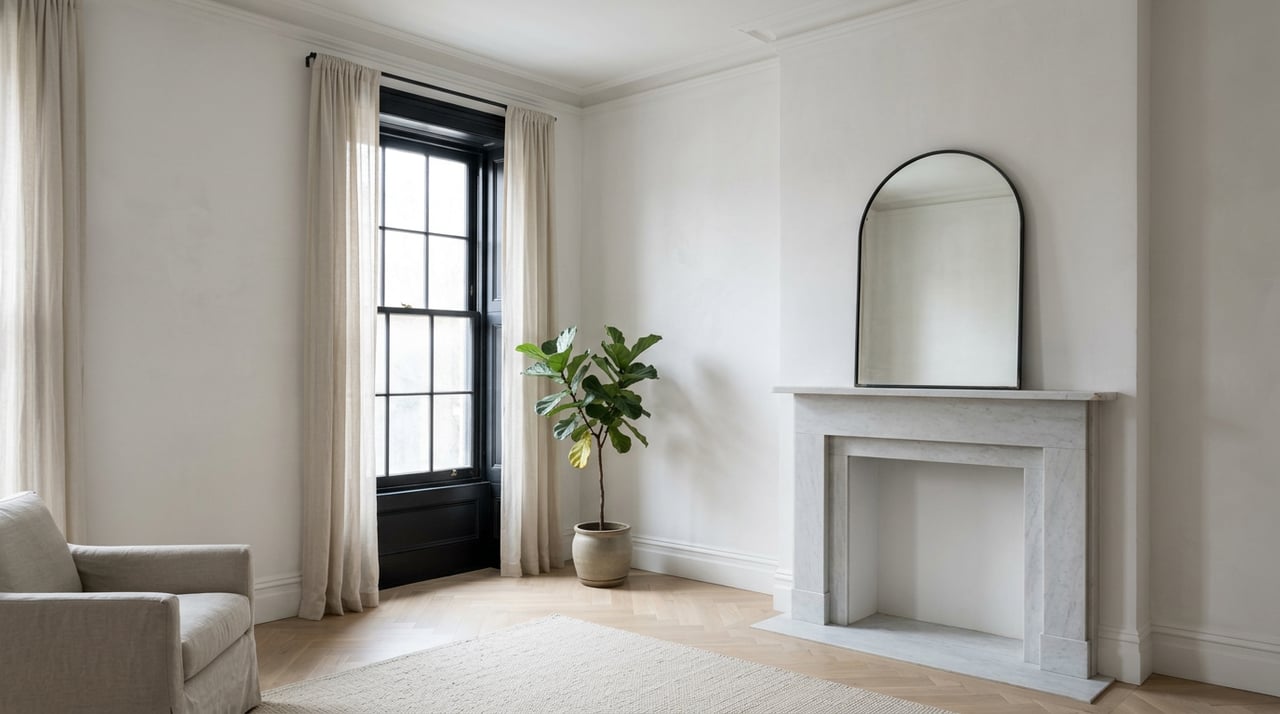
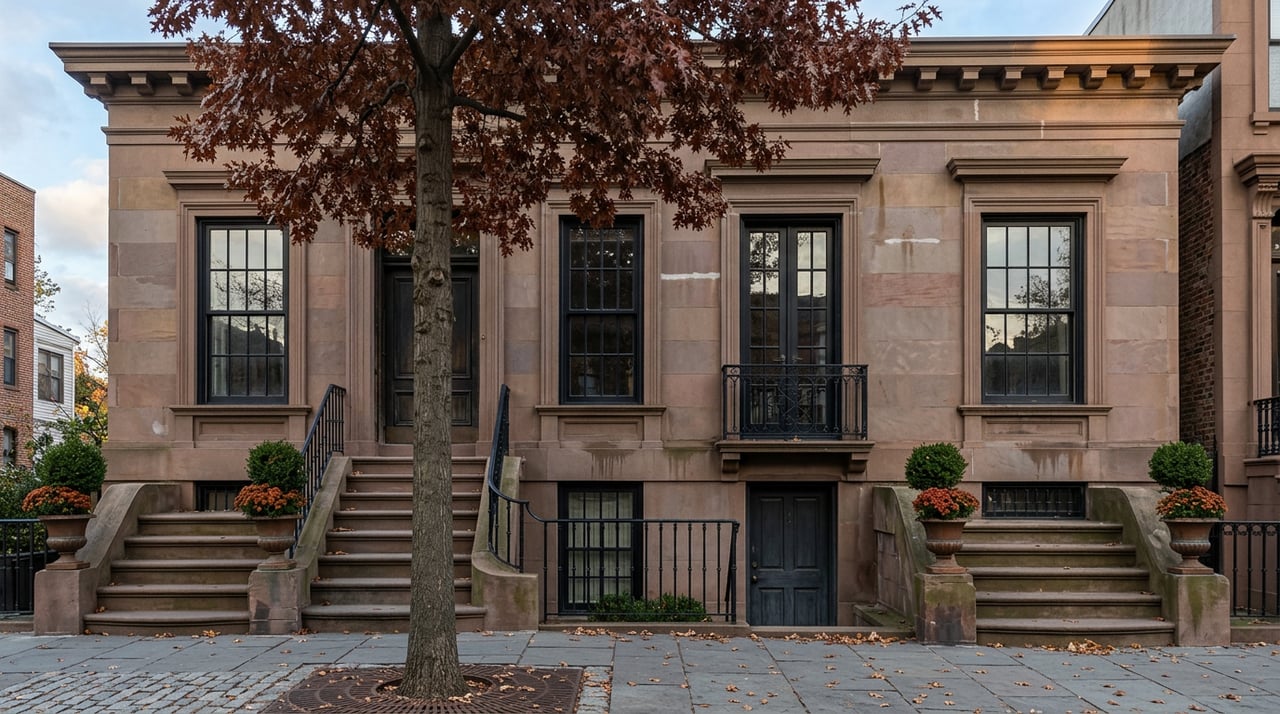
Invest in architectural photography, including twilight exteriors and editorial interior styling. Use a video walkthrough to show flow and ceiling heights. For remote buyers, a 3D tour tool like Matterport lets prospects understand layout before they step inside.
Note that drone footage in Manhattan has regulatory constraints. Check FAA guidance on unmanned aircraft before planning aerials.
Floor plans and square footage
Commission professional floor plans with accurate room dimensions. Include square footage disclaimers where needed. Clear plans save time and improve the quality of inquiries.
History and architectural narrative
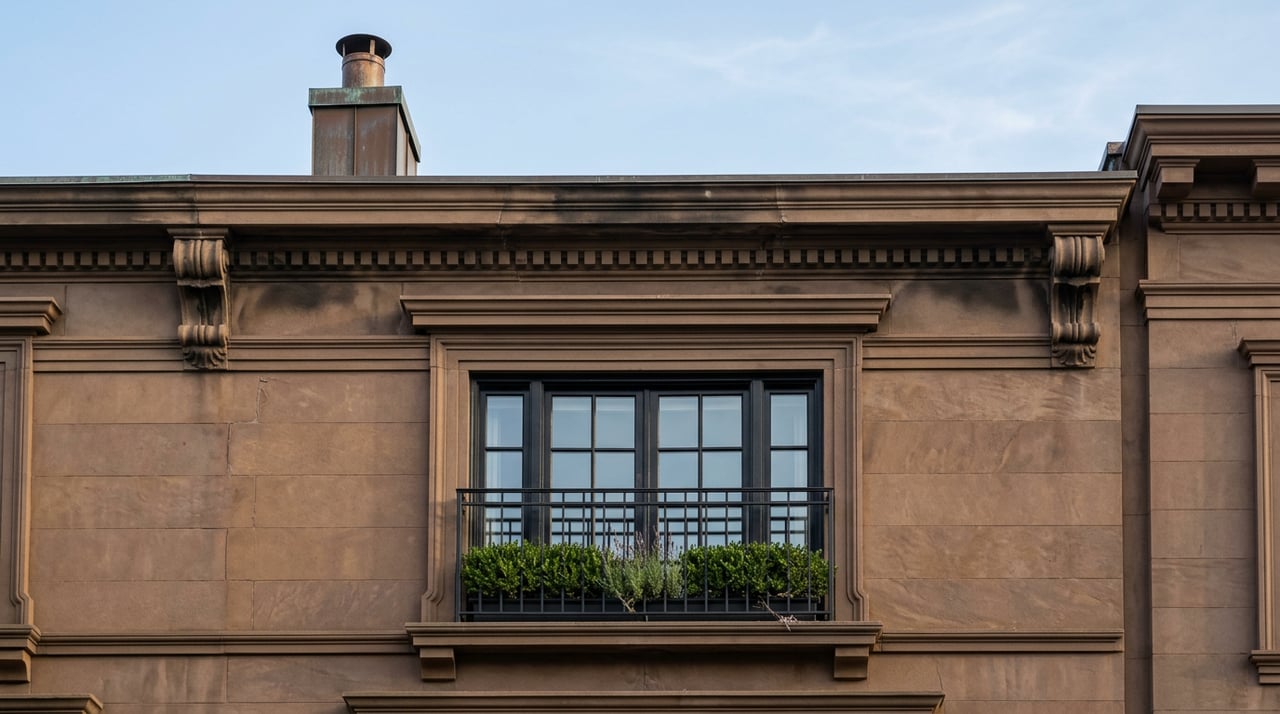
If your home has known provenance, retain those details. A short narrative on the original architect, restored millwork, and any approved exterior work helps buyers connect with the home. Include copies of approvals and permits in your data room when available.
System transparency and condition
For older townhouses, address the big questions early. Consider a pre-listing report covering roof, structure, boiler, electrical, and plumbing. Provide photos of mechanicals. Upfront clarity reduces surprises later.
Position with LPC confidence
Many Carnegie Hill blocks are in a designated historic district. Exterior changes often require Landmarks approval. Selling with a clean LPC and Department of Buildings file is a real advantage.
- Confirm landmark status on the NYC Landmarks Preservation Commission site. Pull the designation report for your block.
- Assemble documents: LPC permits or “Certificate of No Effect” letters, approved drawings, DOB permits, and photos of completed work.
- If exterior work is likely, consult a preservation architect or LPC consultant early. Approvals can take weeks or months.
In marketing, highlight restored historic elements and any recent approvals. Buyers value homes that respect the district and come with clear records.
Prep and diligence reduce risk
The strongest sales are built on clean paperwork and realistic expectations. Spend time here and you avoid renegotiations later.
Permits, violations, and legal use
Before listing, pull DOB and HPD histories to see open permits, violations, or complaints. The NYC Department of Buildings offers online access. Buyers and lenders will ask for proof that the building’s current layout matches what is permitted. If prior work lacks permits, either regularize it or disclose and price accordingly.
Title, taxes, and liens
Check recorded deeds and liens through ACRIS. The NYC Department of Finance and ACRIS property records help you confirm tax status and clean title. Clearing issues early maintains momentum once you accept an offer.
Pre-listing inspection and right-sized repairs
Order an inspection with a townhouse-savvy structural and MEP specialist. Small, high-impact fixes often outperform major renovations on ROI. Consider a light kitchen refresh, paint, floor repairs, and staging in key rooms. If a buyer wants to renovate, they will pay for potential and location.
Taxes and transfer costs
Plan for New York City and State transfer taxes and potential capital gains. Your attorney and CPA can provide exact figures. For guidance, use the NYC Department of Finance and the New York State Department of Taxation and Finance. Clear cost planning prevents last-minute surprises.
Closing timelines
Townhouse deals often close faster than co-ops because there is no board approval. Expect 30 to 90 days depending on title, any mortgage payoff, and whether the lender requires extensive review due to age or systems. If LPC or DOB issues surface, build in extra time.
Data, comps, and valuation sanity
Carnegie Hill townhouse sales are episodic, so comparable sales are limited. A smart valuation looks at your immediate block, nearby blocks, and broader Manhattan townhouse trends. Review recorded transactions and tax data alongside on-the-ground buyer feedback.
- Verify recorded sale dates and deed history using ACRIS.
- Confirm property and tax information via the NYC Department of Finance.
- Cross-check permits and legal condition at the NYC Department of Buildings.
- For unusual or highly customized homes, consider a Manhattan townhouse specialist appraiser.
The right pricing strategy leaves room for demand to build without discouraging early tours. It also aligns with your launch plan, whether discreet or public.
Real results from tailored plans
A privacy-first sale can succeed when the buyer profile is clear. In one composite example, a seller chose a two-week off-market period. The team shared full materials under NDAs with a short list of vetted brokers and two institutional buyers. One buyer stepped up near asking with a 45-day close. The clean LPC file and a pre-inspection packet helped keep diligence fast.
Public launches win when there is broad interest and strong visuals. In another composite case, a fully staged editorial shoot highlighted original millwork and a garden. Coordinated PR to respected outlets created multiple offers within two weeks, and the sale cleared above the highest pre-market estimate.
Delays often come from permits. A third composite scenario involved an unpermitted rear yard addition discovered during diligence. The seller engaged an LPC consultant to produce drawings and file applications. The issue added eight weeks to the timeline and reduced leverage. Early verification would have preserved momentum.
Your next steps
Use a simple, high-value checklist to prepare for a confident sale:
- Confirm landmark status and pull designation documents on the LPC site.
- Pull ACRIS deed history and check tax status with the Department of Finance.
- Pull DOB and HPD records for permits and violations on the DOB site.
- Order a pre-listing inspection focusing on roof, structure, boiler, electrical, and plumbing.
- Commission editorial creative: photography, floor plans, and a 3D tour via Matterport.
- Decide on privacy level: off-market, limited exposure, or full launch, and prepare NDAs if needed.
- If exterior work is planned, consult an LPC specialist and plan the timeline.
Work with a Carnegie Hill specialist
Selling a Carnegie Hill townhouse is a craft. You deserve a plan that blends privacy, story, and compliance to protect your asset and unlock premium value. If you want a bespoke strategy that reflects your goals and your property’s unique strengths, connect with a senior broker who lives and breathes townhouses. To start, schedule a no-obligation property review that includes a short permit and violation pull, suggested inspections, and a tailored marketing plan. Reach out to Tom Wexler to get your plan.
FAQs
What makes selling a Carnegie Hill townhouse unique?
- Townhouses are scarce, historic, and often landmarked, so value depends on lot size, outdoor space, legal condition, and approvals rather than a deep pool of nearby comps.
How does an off-market sale work in 10128?
- Your broker conducts curated outreach to qualified buyers and top agents, shares full materials under NDA, and schedules controlled, appointment-only showings to protect privacy.
Which permits and approvals matter for a landmarked home?
- Confirm landmark status and gather LPC letters and permits via the LPC site, plus related DOB permits from the DOB site.
How long does a townhouse sale usually take to close?
- Expect 30 to 90 days, depending on title, mortgage payoff, lender requirements, and whether any LPC or DOB issues need resolution.
What documents should I prepare before listing?
- LPC approvals, DOB permits, a pre-listing inspection report, accurate floor plans, mechanical photos, tax records from the Department of Finance, and deed history from ACRIS.