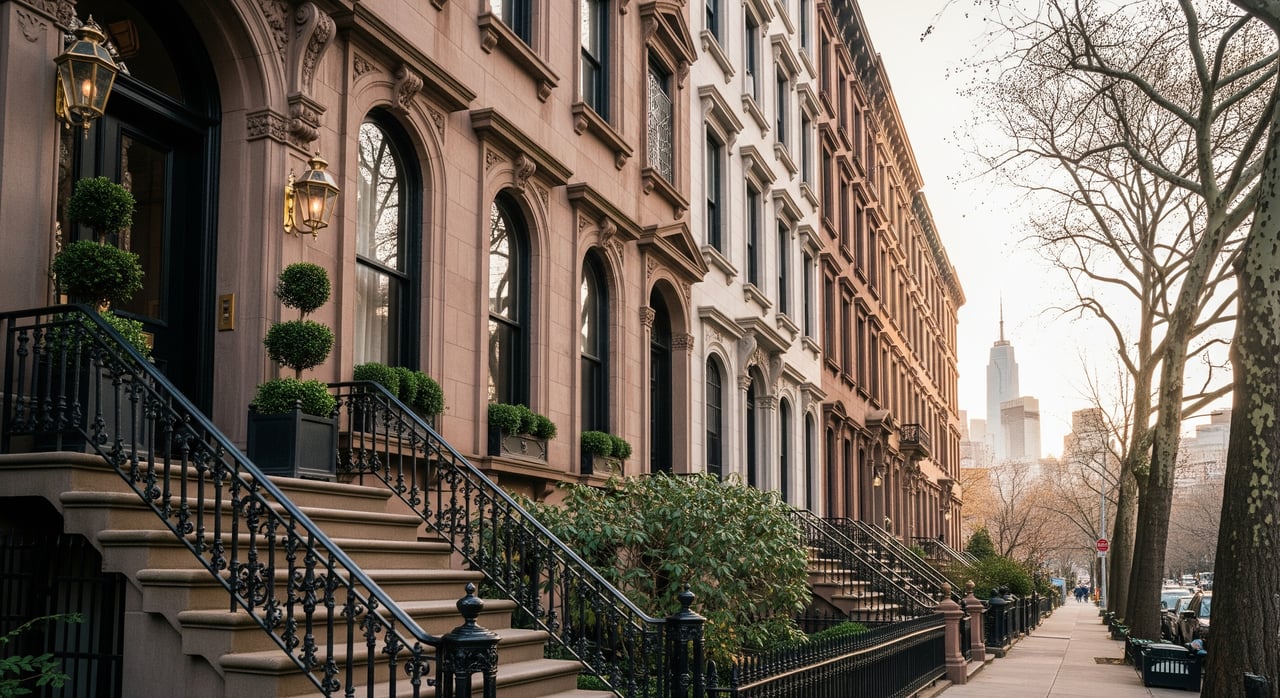
Is it getting harder to find the right Upper East Side townhouse? You are not imagining it. The best homes in 10021 draw focused attention because they combine privacy, space, and long-term value. If you are weighing a purchase or thinking about selling, understanding what actually drives demand will help you move with confidence. In this guide, you will learn why townhouses are so sought after, how different UES blocks perform, what regulations mean for your timeline and cost, and the steps that put you ahead. Let’s dive in.
Why UES townhouse demand is rising
Buyers want private entries, outdoor space, and separation of rooms and floors. After 2020, that preference became clearer, and townhouses deliver those features in ways elevator buildings cannot. With so few single-family houses in Manhattan, quality listings in 10021 often spark strong interest.
Luxury market cycles also play a role. When condos and co-ops feel soft, some buyers pivot to rare townhouse assets as longer-hold homes or legacy purchases. Financing conditions matter too. When rates are high, you tend to see more cash buyers. When rates ease or jumbo lending improves, the pool of qualified buyers expands.
Scarcity and rules keep supply tight
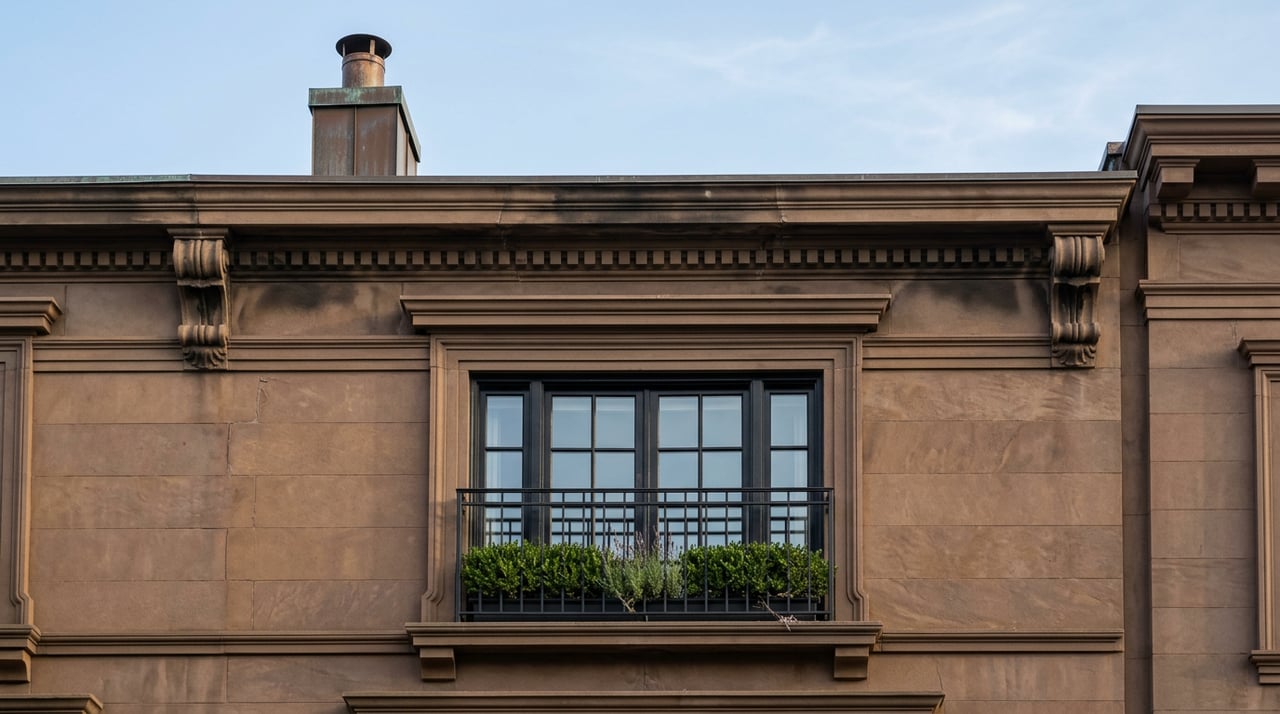
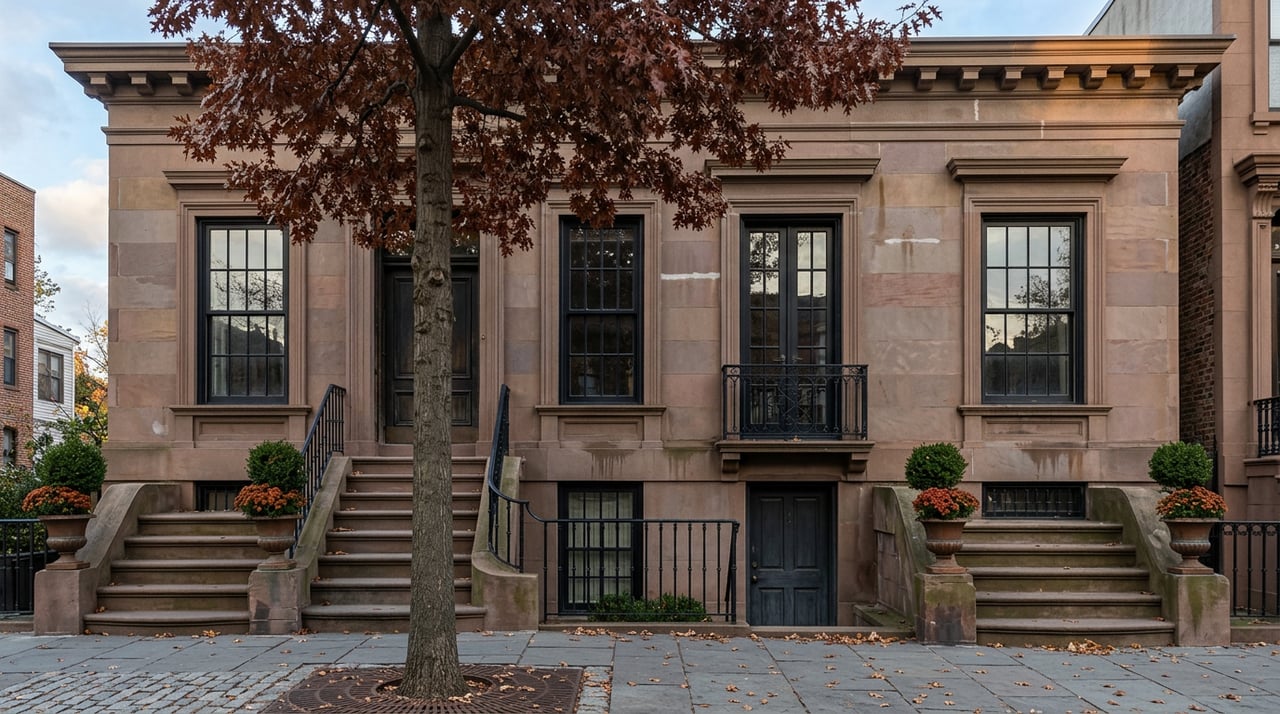
There is physical scarcity. Many Upper East Side blocks are fully built out with historic rowhouses and larger limestone homes. Few new townhouses can be created, so most activity involves renovating what exists.
There is regulatory scarcity as well. Large parts of the UES sit within historic districts, which means exterior changes usually require approval from the NYC Landmarks Preservation Commission. You can confirm a property’s status on the LPC historic districts map. These reviews support neighborhood character but add time and cost to most projects.
Finally, turnover is slow. Many townhouses stay in families for generations or are held by institutions and trusts. Fewer sellers means fewer chances for buyers, which supports prices for well-located, high-quality homes.
10021 sub-neighborhoods that move differently
Not all UES blocks behave the same. Within 10021, you will find distinct patterns by street, scale, and condition.
Carnegie Hill and the East 90s
Carnegie Hill offers architecturally distinguished townhouses and mansions, many within historic districts. Buyers often seek cultural proximity to the Met and museum corridor and the quieter, tree-lined blocks in this zone. Some houses are architecturally intact and need modernization, while turnkey homes command premium pricing per square foot.
Lenox Hill, East 60s to 70s
Closer to Midtown and key medical centers, this area mixes townhouses with mid-rise buildings. Proximity to shopping, services, and major employers drives steady demand from professionals who want a short commute and classic UES amenities. Continuous rows of townhouses are less common than in Carnegie Hill, so block-by-block differences matter.
Yorkville edges near the East River
Select blocks that overlap 10021 have seen meaningful upgrades and full reconstructions. Buyers here often look for comparative value and are more willing to take on renovation. You will also see some newer townhouse-like buildings that provide a rowhouse feel with updated systems.
What buyers want right now
Most buyers prefer move-in-ready properties with modern systems, refined finishes, outdoor space, and flexible layouts. These homes can trade quickly and, in some cases, at or above list in prime locations. When a property needs heavy work, buyers focus on risk, approvals, and carrying costs, which can lengthen days on market and create negotiation room.
Buyer types include cash and ultra-high-net-worth purchasers who value privacy and speed, Manhattan owners trading up from co-ops or condos, and downsizers who want a private home with an urban address. Investor activity is more selective due to landmark and zoning limits that make sweeping conversions less predictable.
What sellers should know
Turnkey and well-located homes tend to attract multiple qualified buyers. If your property sits on a picture-perfect block or close to cultural anchors, that context can support stronger pricing, especially when recent comparable sales are scarce.
Preparation is critical. Resolve open violations, verify permit histories, and assemble renovation records. Buyers and lenders will review these items, so a clean file helps you negotiate from strength. Thoughtful, narrative marketing that respects the home’s architecture and highlights its evolution can unlock outsized value for estate-quality properties and historic houses.
Renovation, zoning, and permitting: plan before you bid
Exterior work in historic districts generally requires LPC approval. This applies to changes like window replacements, facade restoration, rear-yard extensions, and rooftop additions. Review prior approvals and designations using the LPC website and consult professionals who understand the standards.
Most interior work runs through the NYC Department of Buildings. Scope, life-safety, and change-of-use can trigger additional requirements for egress, sprinklers, and mechanicals. Start with the property’s permit and violation history on the NYC Department of Buildings portal and plan your timeline with realistic milestones.
Zoning adds another layer. The UES includes residential districts that set floor area, height, rear-yard, and lot coverage rules. Narrow lots and existing footprints may limit vertical additions or expansions without variances. A zoning and FAR analysis early in due diligence will prevent costly surprises.
The bottom line: renovation complexity, regulatory reviews, and code upgrades favor experienced buyers or those willing to pay for a refined, completed product. That helps explain the premium observed for turnkeys and the influence of cash buyers who can absorb timelines and carry.
Pricing without guesswork
Townhouse pricing varies widely by block, width, lot depth, architectural pedigree, and level of modernization. Rather than quoting a single median for 10021, evaluate the market in three practical bands:
- Renovation projects. Houses that need full system upgrades, layout work, and landmark-driven exterior approvals. Value depends on width, lot size, and achievable scope.
- Move-in-ready homes. Updated systems, refined finishes, outdoor space, and well-planned layouts. These often trade quickly, especially near the park or cultural corridors.
- Grand limestone or mansion-scale properties. Significant width and scale, often with architectural provenance. These address trophy demand and command premium pricing when tailored and turnkey.
To ground decisions, combine recorded sales with current listing trends. You can review deed history and recorded prices on the city’s ACRIS database, then layer in market-wide context from REBNY research. For stories behind headline trades, press coverage in the New York Times real estate section and the Wall Street Journal’s real estate page can help frame buyer behavior and timing.
Due diligence checklist for UES townhouses
Use this list to shorten timelines and reduce risk:
- Title and deed history. Confirm chain of title, easements, and any atypical covenants with counsel. Pull documents on ACRIS.
- DOB permits and violations. Review filings, stops, and sign-offs on the DOB portal. Unresolved items can complicate financing and closings.
- Landmark status and approvals. Verify historic-district boundaries and prior LPC approvals on the LPC map. Align your scope with what is typically approved.
- Structural and systems review. Engage a structural engineer and licensed specialists to inspect foundation, facade, roof, boilers, HVAC, plumbing, and sewer line.
- Environmental checks. Test for lead-based paint and asbestos where applicable. Confirm there is no buried oil tank or plan for proper closure if present.
- Zoning and FAR. Have an architect confirm allowable floor area, rear-yard limits, and feasibility of additions or conversions.
- Taxes and assessments. Review tax class, current bills, and assessment history through the NYC Department of Finance. Understand how changes in use may affect taxes.
- Financing. For jumbo loans or construction financing, use lenders familiar with Manhattan townhouses. Expect documentation and possible renovation escrows.
- Timeline planning. Build in time for LPC and DOB reviews. Estate sales or complex titles can extend closings beyond a standard schedule.
How to move forward
If you are buying, define your must-haves, line up proof of funds or pre-approval, and get your advisory team in place before touring. Be ready to act when a fit appears. Thin inventory means the best listings do not linger.
If you are selling, start with a quiet, data-led valuation and a property-readiness plan. Resolve open issues, gather permits and warranties, and consider targeted cosmetic updates that respect the architecture. Senior-led, narrative marketing and broad distribution help you capture premium outcomes in a scarce market.
When you are ready for a tailored plan, work directly with a specialist who lives this segment every day. To discuss strategy for your townhouse in 10021, connect with Tom Wexler for a discreet, senior-level consultation.
FAQs
What is driving Upper East Side townhouse demand in 10021?
- Scarcity of single-family inventory, post-2020 preference for private-entry living with outdoor space, and luxury market cycles that push buyers toward rare, long-hold assets.
How do landmarks affect UES townhouse renovations?
- Exterior changes in historic districts typically need LPC approval, which adds time and cost; check status and prior approvals on the LPC map before you bid.
What price ranges should I expect for UES townhouses?
- Think in condition-based bands rather than a single median and validate with recorded sales on ACRIS and market context from REBNY research.
Are townhouses harder to finance than condos or co-ops?
- Jumbo underwriting can be more detailed, and renovation plans may require construction financing or escrows; work with lenders experienced in Manhattan townhouses.
How long does a UES townhouse sale usually take?
- Timelines vary by property readiness and demand; turnkey homes on prime blocks can move faster, while heavy-renovation projects often take longer due to due diligence and approvals.
What taxes and closing costs should I plan for in NYC?
- Expect state and city transfer taxes and the state mansion tax escalator above certain thresholds; confirm details and estimates with your attorney and the NYC Department of Finance.